
Sowing Sweet Peas: A Rewarding February Project
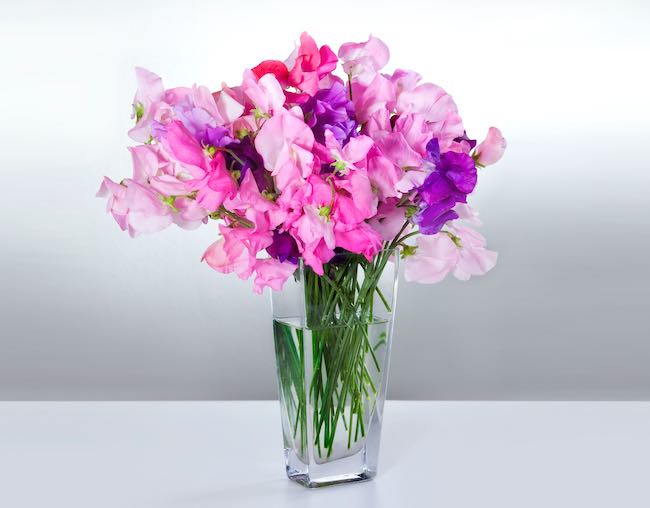
Now in February is the perfect time to start one of the garden’s most rewarding projects – sowing sweet peas. These delightful climbers will provide months of fragrant blooms for both your garden displays and cut flower arrangements in the house.
Getting Started
What you’ll need:
- Sweet pea seeds
- Small pots (7-9cm)
- Coir compost or John Innes No. 1
- A cold greenhouse or bright windowsill
- Optional: nail file or sandpaper for seed scarification
Preparing Your Seeds
Sweet peas have particularly hard seed coats, which can sometimes slow germination. Two simple techniques can help:
Soaking Method Place your seeds on damp tissue paper in a saucer overnight before sowing. This allows them to absorb water and can speed up germination considerably.
Scarification Method Take each seed between your thumb and forefinger and gently scratch the surface on a brick wall or other rough surface. You’re not trying to remove the entire seed coat – just scuff and break the outer layer to help moisture penetrate. This simple step can make a real difference to germination rates.
Sowing Technique
Sow two seeds per pot, pushing them into the compost to twice their own depth. Water well after sowing, ensuring the compost is thoroughly moist but not waterlogged and keep it moist for the next two weeks
Place your pots in a cold greenhouse or on a bright windowsill. Sweet peas don’t need heat to germinate – they’re remarkably hardy plants.
Care After Germination
Once your seedlings emerge, if on a windowsill turn the pots every few days. This prevents them leaning towards the light and encourages straight, sturdy growth.
Keep the compost consistently moist but never waterlogged. Sweet peas are thirsty plants even at this early stage.
Hardening Off and Planting
After about four weeks of growth, begin hardening off your young plants by placing them outside during the day and bringing them in at night. Remember, sweet peas are quite hardy, so don’t be too cautious – they can tolerate cool conditions.
Once hardened off, we’ll plant them around your rose arches and in other areas of the garden where they’ll create spectacular flowering displays throughout the summer. Their long stems make them ideal for cutting, bringing both colour and fragrance into the house.
The effort you put in now will reward you with months of beautiful blooms from early summer onwards – well worth a few pots on the windowsill in February!
For more detailed information about sowing sweet pea seeds with hard seed coats, visit: https://gardenadvice.co.uk/young-gardeners/project/young-gardeners-project/how-do-i-sow-sweet-pea-seeds-which-have-hard-seed-coats/