
Using Mushroom Compost as a Mulch to Improve Your Soil
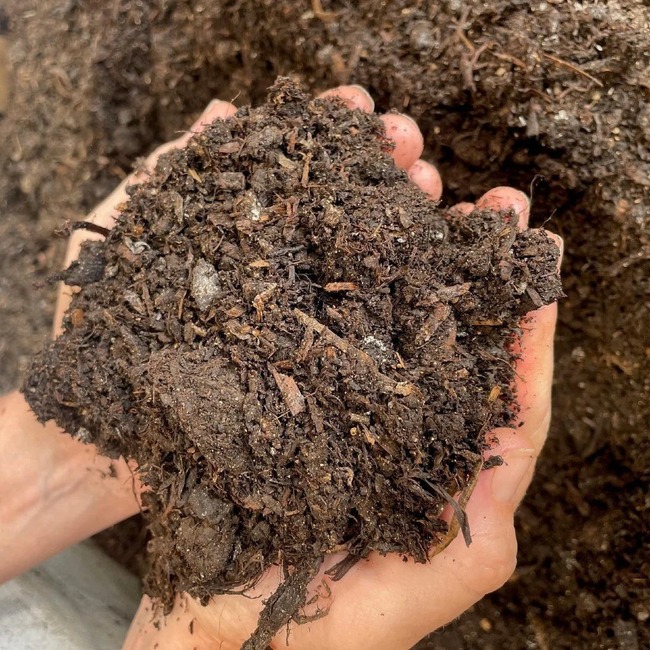
Spent mushroom compost is an excellent mulch for improving garden soil. Spread over the surface of a border, it adds a generous amount of organic matter and gradually improves the structure of the soil as worms and other soil organisms draw it down.
Helping the soil retain water
Adding organic matter helps the soil hold more moisture and reduces the speed at which it dries out during hot weather. This can lessen the effects of drought and give plant roots access to water for longer between periods of rain or watering.
A healthier, moisture-retentive soil also supports earthworms and beneficial soil organisms. These help create a more open soil structure, allowing air, water and plant roots to move through it more easily.
Supporting roots and mycorrhizal fungi
Mulching helps protect the soil surface from extreme heat and drying. By maintaining more stable, moist conditions around the roots, it can support the development of beneficial mycorrhizal fungi. These fungi form associations with plant roots and extend through the surrounding soil, helping plants gain access to water and nutrients.
How to apply mushroom compost
Apply a layer approximately 5–8 cm (2–3 inches) deep around established plants. Leave a small gap around stems, trunks and crowns rather than piling the compost directly against them. There is normally no need to dig it in: worms and natural soil activity will gradually incorporate it.
An important warning for acid-loving plants
Mushroom compost usually contains chalk or lime and is therefore alkaline. Avoid using it around acid-loving plants such as azaleas, rhododendrons, camellias and many heathers. For these plants, use an acidic or neutral mulch such as composted bark, leaf mould or ericaceous compost instead.
Used in the right areas, mushroom compost is a simple and effective way to improve the soil, encourage worms, conserve moisture and help plants cope better with dry conditions.