
A Comprehensive Guide to Growing Climbing Roses from Cuttings: Tips and Techniques
Discovering Hidden Gems: The Beauty of Old Climbing Roses
In many older properties and established gardens, there are often fantastic old climbing roses hidden away. These timeless varieties have been growing for years, sometimes decades, with their original names long forgotten. However, what they often lack in identification, they make up for in reliability, vigour, and character.
The Art of Propagation: Why Grow Roses from Cuttings?
Growing roses from cuttings is a rewarding gardening practice that allows you to:
- Clone an existing plant: You can achieve identical flowers, scents, and growth habits, effectively multiplying a beloved plant in your garden.
- Preserve older or unknown varieties: As the world of horticulture progresses, many older rose varieties risk being lost. By propagating, you help keep these beautiful plants flourishing.
- Produce strong plants: Clipped cuttings can yield exceptionally robust specimens, as they thrive in conditions they have already adapted to.
Understanding Hardwood Cuttings
Hardwood cuttings are typically taken from late autumn through to winter, using stems that have grown during the previous season. These stems should be approximately the thickness of a pencil and should be cut into sections around 100-150mm long.
Steps for Taking Hardwood Cuttings
Here’s how to take successful hardwood cuttings:
- Cut just below a bud: This will be the base of your cutting.
- Cut just above a bud: This creates a small mark at the top, indicating which end to plant.
- Insert into prepared soil: Place the cuttings into a trench or pot filled with good drainage material.
A simple method is to create a slit trench in the soil, adding a little sand for drainage, and inserting the cuttings so that only a small section remains above ground. Firm in well and keep watered.
For a full guide, check here: Cultivating Beauty: Propagating Old Roses from Hardwood Cuttings.
Growing Cuttings in Pots
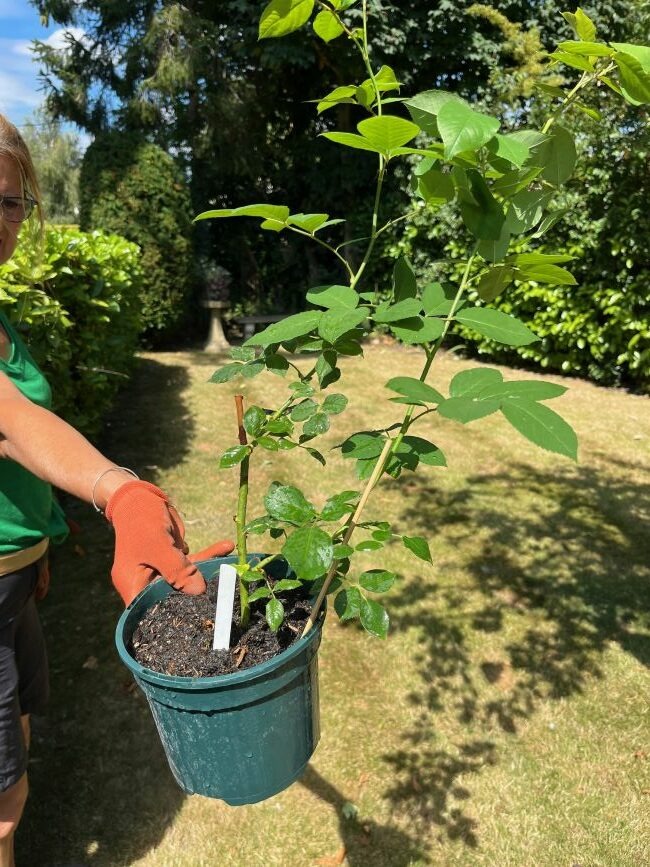
Another effective method is to grow rose cuttings in pots. This allows for better control of moisture and positioning, particularly beneficial in smaller gardens or where soil conditions are less than ideal.
You may have seen successful examples where a rose is started in a pot and later transplanted. One commendable case involved a GardenAdvice member who grew a climbing rose in a container before eventually planting it at the base of a tree, where it established and climbed naturally through the branches.
Roots, Shoots and Share – Keeping Old Roses Alive
This methodology of propagating roses is intimately linked to the GardenAdvice Roots, Shoots, and Share initiative, which plays a key role in preserving and redistributing plants from members’ gardens.
As part of the scheme, GardenAdvice regularly takes cuttings – particularly from older or unusual varieties like climbing roses. These cuttings are nurtured and shared with other members, providing rooted and unrooted cuttings, seedlings, and young plants. It’s a sustainable and cost-effective way for gardeners to enrich their spaces.
A key benefit of this initiative is preserving cherished plants, such as beloved roses passed down through families, ensuring they continue to grow in new gardens rather than being lost over time.
Planting and Establishing Young Climbing Roses
Once your cuttings have successfully rooted, it’s time to plant them in their final positions:
- Against a wall or fence
- Over an arch or pergola
- Allowed to scramble through a tree for a natural growth effect
When planting, keep in mind the following tips:
- Prepare the soil: Enrich with organic matter to ensure a fertile starting point.
- Water regularly: Keeping the soil moist during the first growing season is crucial.
- Feed well: Fertilizing encourages strong growth, especially important in the first couple of years.
Climbing roses benefit significantly from good feeding, leading to quicker establishment and abundant new shoots suitable for training.
Final Thoughts
Encountering an old climbing rose in a garden is an opportunity not to be missed; taking a few cuttings can yield spectacular results. These plants often prove to be resilient, well-adapted, and capable of delivering beautiful blooms when given the right care.
With minimal effort, you can transform one vintage rose into several new plants – perfect for enhancing your own garden or sharing with fellow gardening enthusiasts through initiatives like Roots, Shoots and Share.
In the artistry of gardening, every cutting taken is a step toward preserving the beauty of history while creating new beginnings in your landscape.