
How to Create an Efficient Compost Heap Using Old Pallets
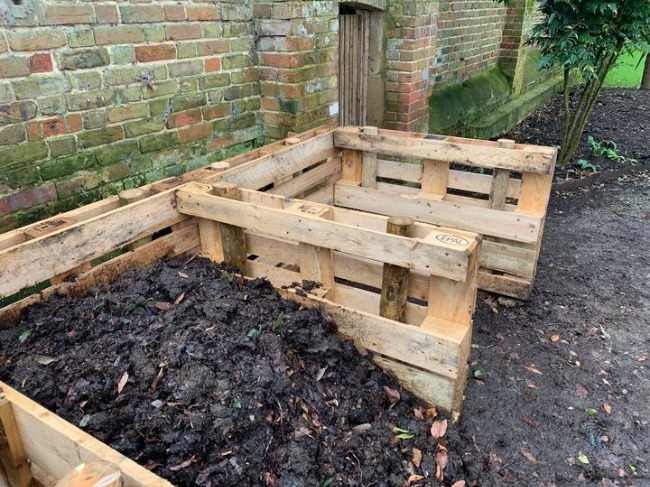
Creating a Compost Heap Using Old Pallets
Composting is a fantastic way to recycle kitchen scraps, garden waste, and other organic materials, transforming them into rich, nutritious soil for your garden. One of the most effective and simple methods to create a compost heap is by using old wooden pallets. This method is not only low-cost but also quick to assemble and produces excellent compost due to its superior airflow. In this blog post, we’ll walk through the steps to create your own compost heap using old pallets, ensuring you have all the information needed to get started!
Basic Structure
To build your compost heap with pallets, you will need four pallets in total:
- One pallet laid flat on the ground (this is optional but it helps with airflow and drainage)
- Three pallets arranged upright to form the back and two sides
- Leave the front open for easy access to your composting materials
Fixing the Pallets
When it comes to assembling your pallets, you might wonder how to securely fix them together. Instead of screwing pallets together, which can make future adjustments difficult, a more flexible method is to use thin tree stakes:
- Hammer stakes into the ground at the corners and joins of your pallet arrangement:
- One stake at the top
- One stake at the bottom
- This technique will hold everything firmly in place while keeping it easy to adjust or dismantle later if needed.
Filling the Compost Heap
Now that your structure is in place, it’s time to start filling your compost heap. The key to effective composting is layering your materials. Here’s how to do it:
- Begin with your green material: This includes items like grass clippings, vegetable scraps, and fresh plant cuttings.
- Follow this with brown material: Layer on cardboard, dry leaves, and wood chips to balance the nitrogen-rich greens.
As the heap builds up over time, consider nailing or fixing a wooden board across the front to better contain the material. This will help maintain the structure and prevent materials from spilling out.
Why This Method Works Well
The use of pallets for composting has several benefits:
- The gaps in the pallets allow excellent airflow, which is essential for speeding up the decomposition process.
- This method is easy to scale or adapt; for instance, if you find that you need more space, simply add another section.
- It’s quick to build and requires minimal tools or advanced skills.
Wildlife Benefits
Your compost heap also acts as a sanctuary for wildlife. Compost heaps naturally attract and support various creatures, which can enhance your garden’s ecosystem:
- Hedgehogs appreciate the shelter and food sources in your compost.
- Toads can make themselves at home, further supporting pest control in your garden.
- Beneficial insects and microorganisms thrive in the compost, contributing to soil health.
By supporting these species, you’ll not only aid your composting efforts but also improve your garden’s overall biodiversity.
Optional Tips
Here are a few additional tips to maximize your composting experience:
- Site the heap: For best results, place your compost heap directly on soil as this allows earthworms and other beneficial organisms to enter your compost.
- Moisture control: Ensure your compost is slightly moist but not waterlogged; this balance is crucial for decomposition.
- Turning the pile: Occasionally turning the compost can speed up the breakdown process, though it’s optional, it’s beneficial and helps aerate the materials.
By following these steps, you’ll create an effective compost heap using old pallets that can contribute to a sustainable garden. For more information and detailed guidance on composting, check out this helpful resource: How to Make Great Compost.