Leveling and uneven lawn
Levelling an Uneven Lawn: A Practical Guide
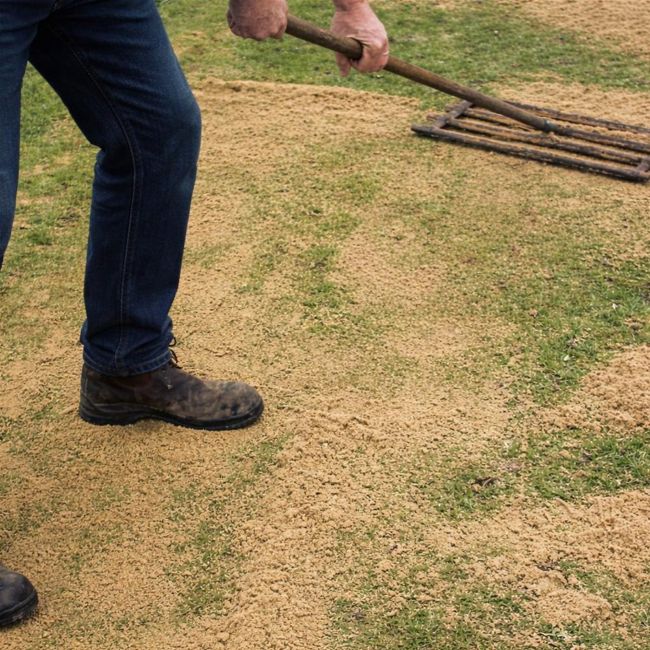
An uneven lawn—full of dips, hollows, and bumps—can make mowing difficult and spoil the overall finish of a garden. Fortunately, most lawns can be improved using a combination of topdressing and, where needed, more direct levelling methods.
What Causes an Uneven Lawn?
- Natural soil settlement
- Heavy use (children, pets, foot traffic)
- Poor initial preparation
- Worm activity and thatch build-up
In most cases, levelling is a gradual process—but there are quicker methods for more severe problems.
Topdressing: The Standard Method


5
Topdressing is ideal for minor to moderate unevenness.
The Mix
- 50% good-quality topsoil (loam-based, low in stones)
- 50% sand (free-draining; children’s play sand is often suitable and cost-effective)
For a typical domestic lawn, this can be mixed off-site (e.g. on a driveway) to ensure a consistent blend.
Application Technique
- Work with a dry mix on a dry lawn
- Broadcast from a shovel in a loose, scattering motion
- Apply more heavily into dips and hollows
- Brush in with a stiff brush to work material between the grass blades
- Always leave the grass tips visible—avoid smothering
Gradual Improvement
- Several light applications are better than one heavy one
- Grass will grow through the dressing and fill low areas
- Repeat over time to steadily improve levels
Correcting Larger Dips: Turf Lifting


6
For deeper dips or raised areas:
- Cut and lift the turf
- Adjust the soil beneath (add or remove soil)
- Firm the ground
- Relay the turf and water well
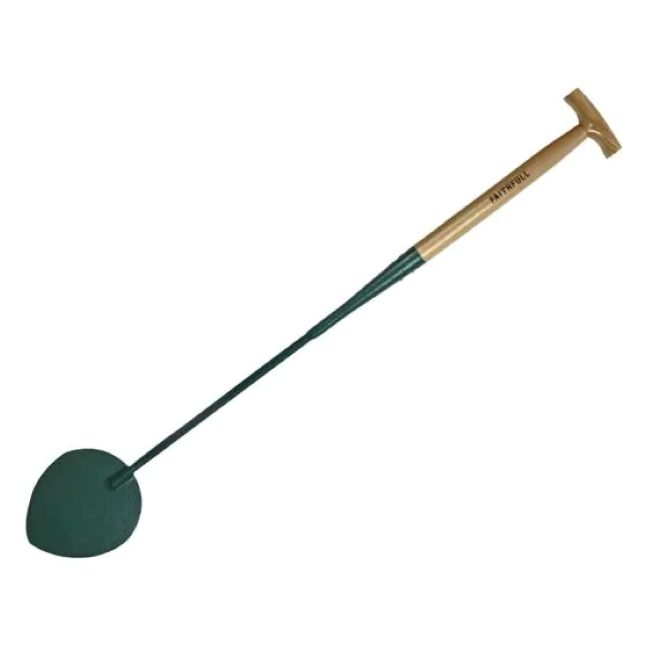
Using the Right Tool: Turf Lifting Iron

A turf lifting iron is ideal for this work:
- Cuts cleanly under turf
- Allows controlled lifting
- Minimises damage and helps quick re-rooting
For Very Uneven Lawns: Using a Petrol Turf Cutter


5
If the lawn is very bumpy or uneven throughout, a more efficient approach is to use a petrol turf cutter.
How It Works
- The machine strips off the existing turf in rolls
- The exposed soil can then be fully relevelled—removing high spots and filling low areas
- The turf is then relayed back onto the newly level surface
Advantages
- Produces a much more accurate, near-perfect level
- Faster than repeated topdressing
- Reduces the amount of topdressing material required
Considerations
- There is an additional cost for hiring or using the turf cutter
- More labour-intensive initially
- Best suited for lawns with widespread unevenness rather than isolated dips
This method is often the best option when you want a high-quality finish quickly, rather than improving the lawn gradually over time.
Aftercare
- Water well after any levelling work
- Feed during the growing season (e.g. with a general fertiliser like Growmore)
- Overseed any thin areas
- Continue light topdressing if needed
Final Thoughts
There are three main approaches to levelling a lawn:
- Topdressing – best for gradual improvement
- Turf lifting with a turf lifting iron – ideal for targeted repairs
- Petrol turf cutter method – best for a full, high-quality relevel
Choosing the right method depends on how uneven the lawn is and how quickly you want results. In many cases, a combination of these techniques will give the best outcome