So this is a Plox plant that I’m gonna dig up shortly so can you tell me how to divide it
23 September 2026
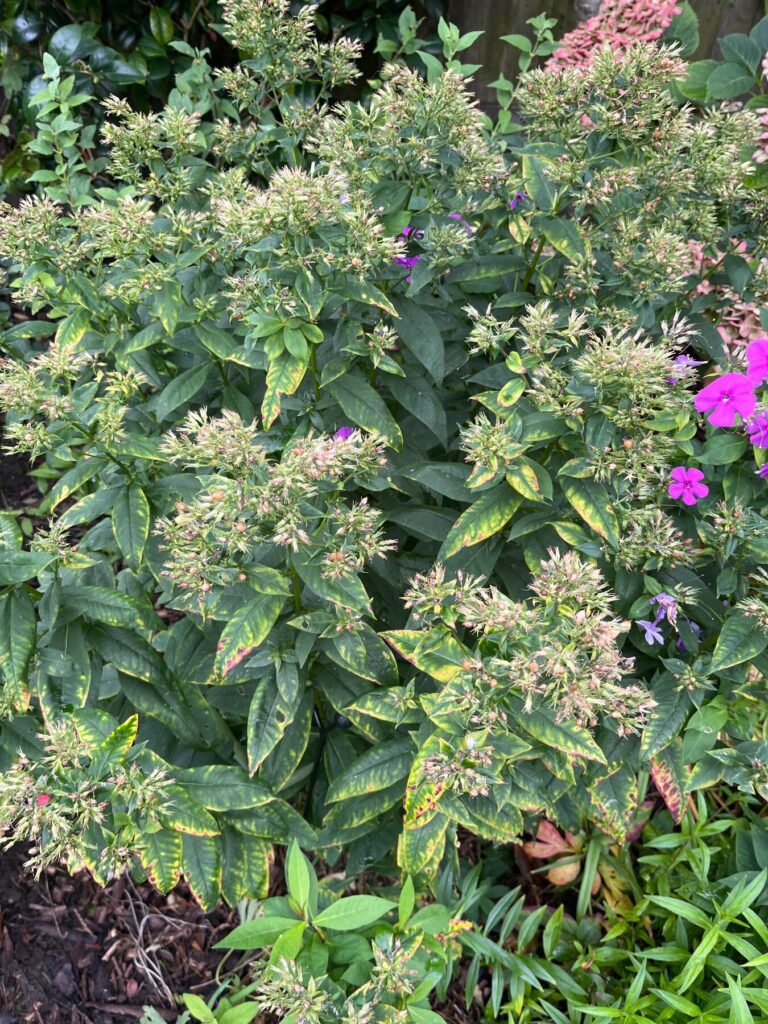
Yes — this is **Phlox paniculata**, and it’s a good candidate for division if the clump is getting large or congested. In Helen and Dave’s garden, the phlox varieties include **‘Blue Paradise’, ‘David’ and ‘Rijnstroom’**, which like fertile, moisture-retentive soil, sun or light shade, annual mulch and good airflow to reduce mildew.
## When to divide it
You can divide phlox either in **autumn** or **early spring**. As it’s now late September, autumn division is fine **as long as the ground is not waterlogged and there is still a little warmth in the soil**. That gives the pieces time to root before winter.
## How to divide your phlox
### 1. Cut the top growth back first
Before digging it up, cut the stems down to about **10–15cm / 4–6 inches**.
This makes the clump easier to handle and reduces water loss while the roots re-establish.
### 2. Water the plant before lifting
If the soil is dry, water it well the day before. Phlox dislikes drying out, and watering helps the rootball lift more cleanly.
### 3. Lift the whole clump
Use a garden fork rather than a spade if possible.
- Push the fork in about **15–20cm away from the crown**
- Work around the plant in a circle
- Lift the whole rootball out gently
Try to keep as many roots as possible.
### 4. Split the clump
Shake or tease away some loose soil so you can see the crown.
Then divide it into sections using:
- Two forks back-to-back, pulling apart; or
- A sharp spade or old bread knife for a dense clump
Each new piece should have:
- A good portion of roots
- Several healthy shoots or buds
- A firm, healthy crown
Avoid making the pieces too tiny. Aim for divisions roughly **fist-sized or larger**.
### 5. Discard the tired centre
If the middle of the clump is woody, weak or hollow, throw that part away. Keep the younger, stronger outer sections — these usually grow away best.
### 6. Replant straight away
Replant the divisions at the **same depth** they were growing before. Don’t bury the crown too deeply.
Space them about **45–60cm apart**, because phlox needs air movement around the stems. This is especially important because phlox can suffer from **powdery mildew**, particularly when crowded.
### 7. Improve the planting hole
Before replanting, mix in:
- Garden compost
- Well-rotted manure or spent mushroom compost
- A little general fertiliser if you haven’t already fed the bed
Phlox does best in fertile, reasonably moist soil, and a compost mulch is recommended for keeping the plants strong.
### 8. Water in well
Water thoroughly after planting to settle the soil around the roots.
Then keep the soil just moist through autumn if the weather turns dry.
## Aftercare
- Add a **light mulch** around the plants, but don’t bury the crowns.
- Remove any yellowing or diseased leaves and don’t compost badly mildewed material.
- In spring, give them a balanced feed.
- Watch for slugs around the new shoots next year — phlox can be vulnerable, and slug nematodes are useful if damage appears.
The yellowing and spotting on the leaves in your photo looks like late-season stress, possibly combined with mildew/leaf spotting, so division and replanting with more space and fresh compost should help it come back stronger next year.