Mastering Wisteria: A Comprehensive Guide to Establishment and Growth
The Allure of the Wisteria
Few sights in the gardening world are as breathtaking as a wisteria in full bloom. Its cascading, fragrant flower racemes can transform a mundane wall or pergola into a cascading waterfall of color. However, many gardeners find wisteria intimidating to establish and manage. The secret to success lies not in magic, but in understanding its vigorous, twining nature. By providing the right support and nutrition, you can train your wisteria to provide maximum coverage and stunning floral displays.
Setting the Foundation: Planting and Support
Before you begin the training process, you must ensure your wisteria has a sturdy home. Wisteria is exceptionally heavy; it can easily pull down flimsy trellises or wooden structures if they are not robust. Use high-tension galvanized wires or strong timber frameworks bolted securely to your wall.
When planting, ensure you provide rich, well-draining soil. Dig a hole twice as wide as the root ball and amend the soil with organic matter to encourage deep root establishment. Remember that wisteria is a long-term commitment, often living for decades, so choose your location wisely.
The Art of the Twist: Encouraging Maximum Coverage
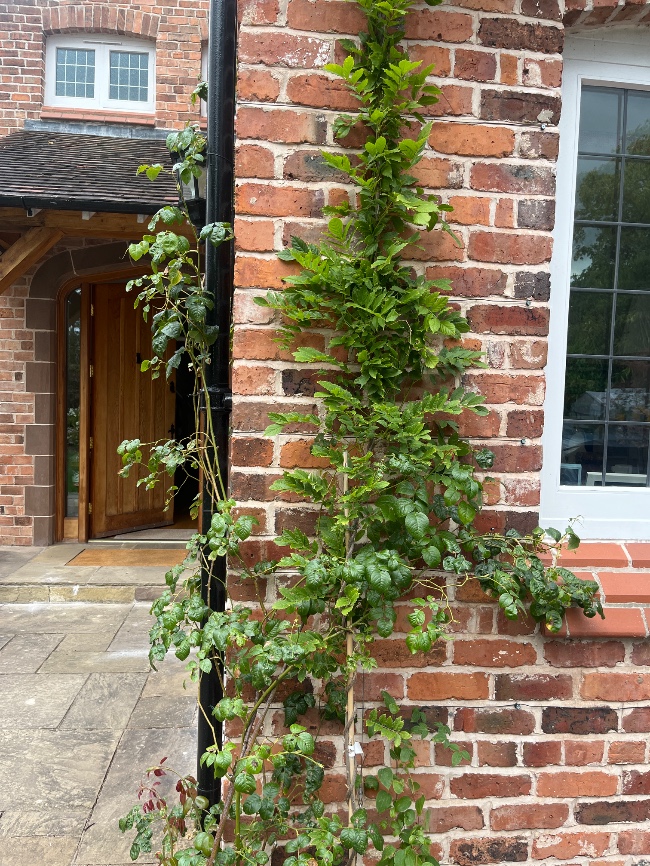
The key to transforming a single stem into a wall of color is the technique of training the shoots. Wisteria naturally wants to climb; your job is to direct that energy to fill the space you desire.
- Horizontal Training: Instead of letting the stems shoot straight up, begin training them horizontally across your wires. This slows the sap flow, which in turn encourages the plant to produce more flower spurs rather than just vegetative leaf growth.
- Consistent Weaving: As new shoots appear throughout the growing season, gently wind them around your support wires. If a shoot is too rigid, use garden twine to secure it in the desired direction.
- Filling the Gaps: Always prioritize training your strongest, most vigorous shoots to cover the furthest reaches of your trellis first. Once the framework is covered, you can allow smaller shoots to fill in the gaps.
Feeding for Flourishing Blooms
A common mistake with wisteria is over-fertilizing with nitrogen. While nitrogen is great for leafy green growth, it often comes at the expense of flowers. To ensure your wisteria is covered in blooms, you need to focus on a balanced approach.
In the spring, as new growth appears, apply a fertilizer that has a high percentage of potassium (potash) and phosphorus. Look for fertilizers labeled for flowering shrubs or a general-purpose rose fertilizer, which is often an excellent choice. This specific nutritional profile supports healthy root development and bud formation rather than excessive foliage.
Avoid heavy applications of nitrogen-rich lawn fertilizers near your wisteria, as this will lead to a lush, green, but ultimately flowerless plant. A light top-dressing of compost in the autumn is usually sufficient to support the plant through the winter months.
Pruning: The Final Component
Training and feeding are only half the battle; pruning is the final piece of the puzzle. Wisteria requires pruning twice a year to maintain its shape and encourage flowering.
- Summer Pruning (July-August): Cut back all long, wispy green shoots of the current year’s growth to about five or six leaves from the main framework. This keeps the plant neat and helps direct energy into forming next year’s flower buds.
- Winter Pruning (January-February): Once the plant is dormant and leafless, go back over those same shoots and prune them back further to just two or three buds. This makes the plant tidy and allows you to clearly see the structure for training adjustments.
By following these guidelines—securing a solid structure, consistently weaving the shoots to cover that structure, and providing the correct nutrient profile—you will be rewarded with a spectacular, healthy wisteria that becomes the envy of the neighborhood.