6 Smart Steps to Sterilize Your Gardening Tools and Planters
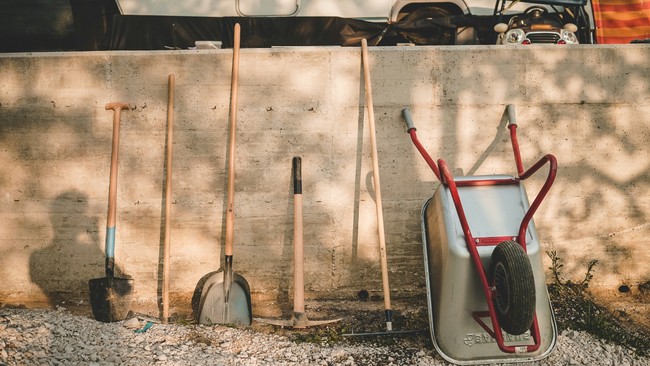
Gardening is one of those calming jobs that somehow still leaves everything covered in soil. Lovely for the soul, less ideal for hygiene. Tools, trays and planters can carry bacteria, fungal spores and plant diseases from one season to the next, especially when they are reused without a proper clean. The good news is that sterilizing your gardening equipment does not need to be complicated. A few simple habits can help keep your plants healthier and your tools in better condition for longer.
Start With a Thorough Clean
Before sterilizing anything, remove all visible dirt. Soil, compost and plant residue can cling to trowels, secateurs, seed trays and drainage holes, creating the perfect hiding place for unwanted microbes. Use warm water, mild soap and a stiff brush to scrub away mud and debris.
This first step matters because disinfecting works best on clean surfaces. If a tool is still coated in soil, any sterilizing method will be less effective. Think of it as washing the dishes before putting them away. Nobody wants last week’s dinner hanging around, and your planters feel the same way.
Pay Extra Attention to Cutting Tools
Secateurs, scissors and pruning shears need particular care because they come into direct contact with stems, sap and sometimes diseased plant tissue. After pruning, wipe the blades and clean around hinges, screws and handles. A small brush or old toothbrush can help reach awkward gaps.
If you have cut a plant showing signs of disease, clean the tool before using it on another plant. This simple habit can reduce the risk of spreading problems across your garden. It is a small pause in the moment, but it can save a lot of frustration later.
Use Heat and Steam Where Appropriate
Heat can be useful for refreshing durable tools and certain hard surfaces, provided the material can tolerate it. Steam is especially interesting because it can reach small corners without relying on harsh chemical residues. In the home, steam generators are often linked with textile care, but the wider principle of controlled steam hygiene can also inspire better cleaning routines for suitable household and garden items.
Always check the material first. Metal tools and some solid containers may handle heat well, while delicate plastics, painted finishes or fragile coatings may warp, crack or lose their finish. When in doubt, choose a gentler method.
Disinfect Planters Before Reusing Them
Planters are easy to overlook, but they can hold traces of old roots, mould, pests and plant disease. After removing soil, wash each pot thoroughly and clean the drainage holes. Terracotta planters may need extra attention because they are porous, while glazed or hard plastic pots are usually easier to wipe clean.
Once disinfected, allow planters to air dry completely before adding fresh compost. This helps prevent damp conditions from encouraging mould or mildew. It also gives your new plants a cleaner, healthier start.
Dry and Store Tools Properly
Sterilizing is only half the job. Drying is just as important. Moisture left on metal tools can lead to rust, while damp planters stacked together can develop musty smells or mould. Use a clean cloth to dry blades, handles and tool heads, then leave them somewhere airy before storage.
For metal tools, a light protective oil can help preserve the surface once they are fully dry. It is a simple step, but it keeps favourite tools feeling smooth, sharp and ready for the next gardening session.
Build Sterilizing Into Your Gardening Routine
You do not need to sterilize every item after every tiny task. The key is knowing when it matters most. Clean tools after cutting diseased plants, before taking cuttings, before sowing seeds and at the end of the growing season. Planters should be cleaned before reuse, especially when switching from one plant type to another.
For households familiar with steam generators, the idea of careful, heat-based hygiene may already feel natural. In the garden, the same mindset applies: clean surfaces, suitable methods and regular maintenance.
A healthier garden often begins with cleaner tools. By removing dirt, disinfecting properly, drying carefully and storing equipment well, you give your plants a stronger start and help your gardening kit last longer. It is not the most glamorous part of gardening, admittedly, but it is one of the smartest.