Hardening Off Seedlings: Preparing Your Flowers for Outdoor Planting
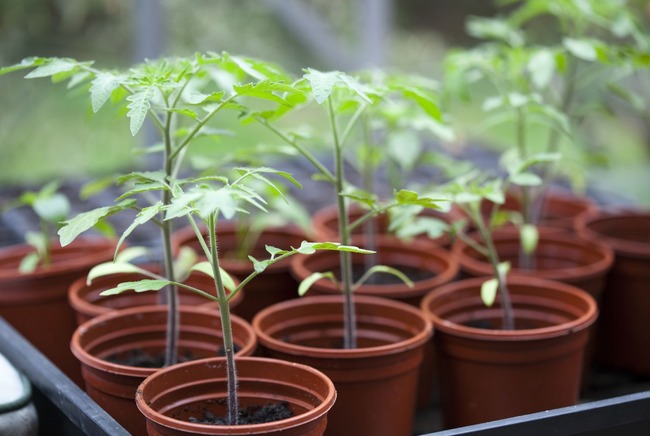
Tomato Seedlings
Seedlings grown indoors enjoy stable conditions with consistent temperatures, controlled light and protection from wind. Moving them directly into the garden without preparation often leads to transplant shock, wilting or even death. Hardening off provides a gradual transition that toughens young plants and prepares them to thrive outdoors.
The Importance of Acclimation for Seedlings
Transplant shock occurs when seedlings encounter sudden environmental changes that their tissues cannot withstand. Indoor environments provide shelter from wind, consistent lighting and stable temperatures. When moved outside without preparation, these protected plants face multiple stresses at once.
Tender stems and leaves that have never experienced movement can be damaged by even gentle breezes. Direct sunlight is far more intense than grow lights or windowsill exposure, causing sunburn and bleaching on unprepared foliage. Day-to-night temperature swings add yet another challenge that indoor seedlings rarely encounter.
At the cellular level, the hardening off process strengthens plant tissues in several ways. Leaf cuticles thicken to reduce water loss and protect against UV damage. This exposure also prompts stems to develop stronger cell walls that can withstand wind without breaking. Root systems become more efficient at water uptake to compensate for increased evaporation outdoors.
Most gardeners complete seedling hardening over a period of seven to 14 days before transplanting them into the garden. This time frame allows plants to build the physical resilience they need without rushing the process.
A Sample Hardening Off Schedule
A gradual approach prevents damage while building plant strength day by day. The schedule below offers a reliable framework, though gardeners should adjust based on weather conditions and how individual plants respond. Cold nights or strong winds may require slowing down, while mild spring weather might allow slightly faster progression. Experts recommend monitoring seedlings in phases to ensure they receive appropriate exposure at each stage.
The First Three Days
Start by placing seedlings in a sheltered location with full shade for one to two hours on the first day. A covered porch, the north side of a building or under a tree canopy works well. Bring plants back indoors before temperatures drop in the late afternoon.
On day two, keep them out for 90 minutes to three hours while providing shade and shelter. Days three and four can stretch to three to four hours, still keeping plants protected from direct sun and strong breezes. Watch for any signs of stress during these initial exposures.
The Middle Phase
Days five and six introduce filtered sunlight for short periods. Morning light is gentler than afternoon sun, making it ideal for early exposure. Allow one to two hours of dappled sunlight while keeping plants outdoors for a total of five to seven hours.
Increase both total outdoor time and sun exposure on day seven. Plants can handle three to four hours of direct morning light by this point, with total outdoor duration reaching up to eight hours. Move them to shadier spots during the hottest part of the afternoon.
The Final Days Before Transplant
The final stretch prepares seedlings for life in the garden without any protection. Days eight to 10 should include nearly full-day outdoor exposure with only the most intense midday sun avoided.
If nighttime temperatures stay above 50° Fahrenheit, plants can remain outside overnight during this phase. Some gardeners leave trays out for 24 hours on the final day or two before transplanting.
How to Care for Seedlings Outdoors
Once seedlings spend time outside, their water needs will increase. Wind and direct sunlight cause moisture to evaporate much faster than it does indoors. Because small cells in seedling trays dry out quickly, gardeners sometimes need to water twice daily during the hardening-off period. Check moisture levels every morning and again in late afternoon, especially on warm or breezy days.
Avoid letting the growing medium dry out between waterings, as stressed roots cannot support the adaptation process. Gardeners should watch for signs of over-saturated soil, which can create problems of its own. When the medium appears dark brown and shiny with free moisture at the surface, saturation has become excessive. Trays should not drip freely from the bottom or feel heavy enough to cause visible bending in the middle.
Monitor leaves and stems for distress signals throughout the process. Wilting during outdoor exposure indicates that seedlings need a more gradual acclimation or additional water. Purple or bronze leaf discoloration often indicates cold damage, while bleached or brown patches suggest sunburn. Minor setbacks are normal and help seedlings adapt, but severe symptoms mean the schedule needs adjustment. Bring trays inside or provide extra shade if they show significant distress.
Avoid Common Hardening Off Mistakes
Even experienced gardeners sometimes rush or overlook important steps in the acclimation process. Here are frequent errors and solutions:
- Starting the process too late: Begin hardening off about 10 days before the planned transplant date to provide sufficient time for proper adaptation and decrease transplant shock risk.
- Exposing plants to full sun immediately: Gradually introduce light to avoid severe leaf burn, which may set plants back significantly.
- Forgetting to water during outdoor exposure: Create a consistent water schedule. Increased evaporation rates outdoors mean seedlings dry out faster, leading to drought stress.
- Leaving seedlings out during harsh weather: Bring tender plants inside during cold snaps, heavy rain or strong storms to avoid damage.
- Hardening off all species identically: Research different plants’ tolerance levels. For instance, warm-season crops need more protection than cool-season varieties.
- Neglecting wind protection in early stages: Gradually acclimate plants to wind. Even moderate breezes can snap stems or shred leaves on plants that have never experienced air movement.
- Placing trays directly on hot surfaces: Create a buffer zone between the tray and concrete, asphalt or dark-colored decking, which can overheat soil from below and cook delicate roots.
- Abandoning the process partway through: Remain consistent when hardening off seedlings, so they can properly adapt to outdoor conditions and make your effort well worth it.
Final Steps for Garden Preparation
The careful attention given to hardening off establishes a foundation for vigorous growth throughout the season. With a gradual transition, seedlings can develop stronger root systems, better disease resistance and improved stress tolerance. This preparation transforms fragile starts into resilient garden performers ready to flourish in their permanent home