How to Plan and Scale a High-Yield Cutting Garden
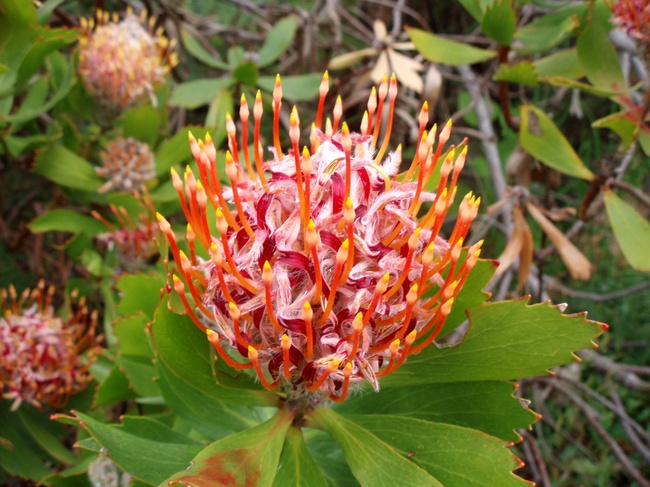
Running a successful cutting patch requires a lot more planning than a standard decorative garden bed. If you want a steady supply of florist-grade stems all season, you have to treat your plots like a small production line. It comes down to spacing, soil prep, and picking varieties that perform predictably week after week. By treating your cutting garden with a more professional approach, you can maximize your total yield of usable stems from every single square meter of soil you manage.
Setting Up High-Density Beds for Straight Stems
To get those long, straight stems that look incredible in tall arrangements, you need to change how you layout your plots. Planting your rows closely together forces the young plants to stretch upward for light, naturally giving you the length you need. The ground needs to be dug over deeply with plenty of organic matter worked in to ensure the root systems can establish without hitches. For growers who want to produce those high-value, multi-petalled focal blooms that wedding florists constantly hunt for, investing time in raising lisianthus seeds will give you a premium crop that commands absolute top tier attention.
Streamlining Your Sourcing for Consistent Crops
A common mistake is buying random seed packets from local retail centers, which often leaves you with low germination rates and uneven growth. When you are growing for volume, you need fresh, reliable genetics that sprout at the exact same time so your harvesting schedules don’t fall apart. Sourcing your bulk flower seeds online from a dedicated specialist shop ensures you get clean batches with high germination percentages. This simple choice saves you massive bench space in the greenhouse and prevents empty patches in your outdoor rows.
Support Nets and Professional Watering Routines
Once your plants start putting on serious height, you cannot leave them at the mercy of summer storms. Installing horizontal support netting across your beds allows the stems to grow straight up through the grid, which stops the crop from flopping over and ruining your harvest. Your watering routine needs to be heavy and focused right at the base of the stems early in the morning, rather than a quick daily sprinkle over the leaves. Keeping the foliage dry cuts down on fungal issues, while deep watering forces the roots down into the soil for a stronger plant.
Smart Post-Harvest Processing for Longer Vase Life
How you handle the flowers after cutting them determines how long they will actually last on the table. Always harvest your stems in the cool early morning hours when the plants are fully hydrated, and drop them straight into clean buckets of water. Strip off any lower leaves immediately, because leaving foliage submerged under water triggers rapid bacterial growth that clogs the stems. Keeping your cutting tools sharp and clean ensures a crisp slice, which lets the flower drink easily and keeps your arrangements looking fresh for days.