Garden Room vs Conservatory: Unveiling the Ultimate Outdoor Retreat for Your Home
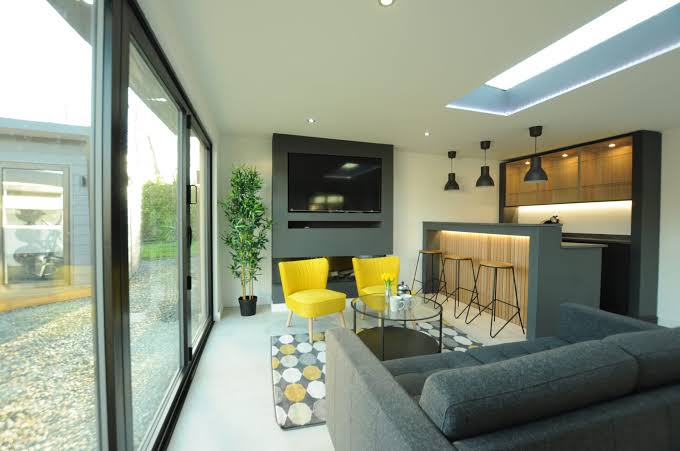
In the quest for the perfect outdoor haven, homeowners often find themselves torn between a garden room and a conservatory. Both options promise a unique blend of indoor and outdoor living, yet they each offer distinct advantages that can transform your lifestyle and enhance the aesthetic of your property. Imagine sipping your morning coffee surrounded by the vibrant colours of nature, or hosting friends and family in a space that harmonises with your garden.
Whether you seek a tranquil retreat filled with plants or a sun-drenched area for year-round enjoyment, choosing between these two elegant structures is no small decision.
In this article, we will delve into the key differences between garden rooms and conservatories, helping you unveil which outdoor retreat suits your needs best and elevates your home’s appeal. Ready to discover your new favourite space?
Key Differences Between Garden Rooms and Conservatories
When it comes to garden rooms and conservatories, the main difference lies in their construction and purpose. A garden room is usually a standalone structure positioned in the garden, designed for year-round use with insulated walls, floors, and roofs to provide comfort in all seasons. A conservatory, however, is an extension of the home, typically attached to the house and made from glass. While this allows plenty of natural light, it can also cause temperature changes throughout the year.
Garden rooms are highly versatile and can be adapted for many purposes, including a home office, gym, studio, or additional living space. They provide a private retreat that can be customised to suit individual needs. Conservatories are commonly used as bright, open living or dining areas that create a connection between the home and garden.
The materials used also set them apart. Garden rooms are often built with durable materials such as timber, aluminium, or composite panels, offering strong insulation and low maintenance. Conservatories typically use glass with uPVC or aluminium frames, which may require more upkeep and provide less thermal efficiency. Overall, garden rooms offer greater flexibility, insulation, and year-round usability compared to traditional conservatories.
Benefits of a Garden Room
One of the key benefits of a garden room is the privacy and seclusion it provides. As a standalone structure, it can be positioned away from the main house, creating a peaceful retreat from everyday distractions. This makes it ideal for a dedicated workspace, relaxation area, or personal sanctuary, helping to improve both wellbeing and productivity.
Modern garden rooms are also highly versatile and can be designed around your specific needs. Whether used as a home office, yoga studio, creative space, or guest room, they provide flexible extra living space that can adapt over time. They can also include modern features such as electricity, heating, and plumbing, making them comfortable and practical throughout the year.
Another major advantage is their all-season usability. With insulated walls, floors, and roofs, garden rooms stay warm in winter and cooler in summer, providing a comfortable environment whatever the weather. Their energy efficiency can also help reduce running costs. Built using durable, low-maintenance materials, garden rooms are a long-lasting investment that can enhance your property for years to come.
Benefits of a Conservatory
Conservatories offer a range of benefits that make them a popular choice for homeowners looking to expand their living space. One of the biggest advantages is the amount of natural light they provide. With large glass panels and a glazed roof, conservatories create a bright and welcoming environment, making them ideal for relaxation, dining, or entertaining.
Another key benefit is the connection they create between indoor and outdoor spaces. By extending the home into the garden, a conservatory allows you to enjoy views of your outdoor area while remaining comfortable indoors. This creates a peaceful setting that can enhance everyday living and provide a closer connection to nature. Conservatories can also be designed to complement the existing style of your property, creating a seamless addition to your home.
A well-designed conservatory can also increase the value and appeal of your property. The extra living space can be attractive to potential buyers, particularly those looking for light-filled areas that connect with the outdoors. Modern conservatories also benefit from improved glazing and insulation, helping them remain comfortable and energy-efficient throughout the year.
Design Options for Garden Rooms
When designing a garden room, the possibilities are almost limitless. One of the main benefits is the high level of customisation available, allowing you to choose from a variety of styles, materials, and finishes to create a space that reflects your taste and complements your garden. Whether you prefer a modern design with clean lines and large windows or a more traditional look with timber finishes, a garden room can be tailored to your preferences.
The interior can also be designed to suit your lifestyle. Open-plan layouts can create a spacious, light-filled feel, while partitions can divide the room into separate areas for different uses. Flooring, wall finishes, furnishings, and features such as underfloor heating, integrated lighting, and smart technology can further improve comfort and functionality.
Garden rooms can also be designed to connect seamlessly with the outdoor space. Bi-fold or sliding doors allow easy access to the garden, while additions such as decking, verandas, or pergolas can extend the living area. Thoughtful landscaping, including planting, seating areas, or water features, can enhance the relationship between the garden room and its natural surroundings, creating a relaxing and inviting retreat.
Design Options for Conservatories
Designing a conservatory requires a balance between style and practicality. One of the most important considerations is the choice of glazing. Modern conservatories use advanced glazing options, such as double or triple glazing, low-emissivity glass, and solar control glass, to improve insulation, reduce heat loss, and help maintain a comfortable temperature throughout the year.
The architectural style of a conservatory can be customised to complement your existing home. Whether you prefer a traditional Victorian or Edwardian design, or a more modern lean-to or gable-end style, there are options to suit a range of properties and tastes. The choice of frame materials, including uPVC, aluminium, or timber, can also influence the appearance, durability, and maintenance requirements of the structure. Decorative features such as roof lanterns, finials, or cresting can add extra character.
The interior of a conservatory can be tailored to create a welcoming and functional space. Flooring choices such as tiles, wood, or laminate, along with carefully selected furniture and accessories, can enhance the overall design. Additional features like heating, ventilation, cooling systems, integrated lighting, and smart technology can further improve comfort and make the conservatory enjoyable all year round.
Planning Permission and Regulations in Northern Ireland
Before building a conservatory or garden room in Northern Ireland or across the UK it is important to understand the planning permission and building regulations that may apply. Some projects may fall under permitted development rights and may not require a formal planning application, provided they meet certain requirements. However, regulations can vary depending on your property, location, and the size of the structure, so it is always recommended to check with your local council’s planning department before starting work.
For garden rooms, planning permission is often not required if the structure is single-storey, within permitted height restrictions, and does not exceed the allowed percentage of your garden area. However, additional considerations may apply if your home is a listed building, located in a conservation area, or if the garden room is intended to be used as independent living accommodation. Building regulations may also apply if the room includes features such as heating, plumbing, or electrical installations, particularly where it is designed for regular occupation.
Conservatories in Northern Ireland may also benefit from permitted development rights if they meet specific criteria, including size, height, and location requirements. Building regulations may be required depending on factors such as insulation, heating, and whether the conservatory is connected to the main house.
Ensuring your garden room or conservatory complies with Northern Ireland’s planning and building requirements will help avoid delays and ensure your new space is safe, comfortable, and built to last.
Maintenance and Longevity
The maintenance and longevity of garden rooms and conservatories are important considerations when choosing between the two. Garden rooms are typically built using durable materials such as timber, aluminium, or composite panels, requiring little upkeep. Regular cleaning, along with occasional repainting or resealing, can help maintain their appearance and condition. Keeping the interior clean and well-ventilated also helps prevent issues such as damp and mould.
Conservatories may require more maintenance due to their large areas of glass and potential issues with condensation, heat changes, and weather exposure. Regular cleaning of the glass, checking frames and seals, and maintaining the roof can help prevent problems such as leaks and reduced insulation.
Both garden rooms and conservatories can provide many years of use when properly cared for. Garden rooms are often designed for long-term durability with minimal maintenance, while modern conservatories benefit from improved glazing and frame technology. The lifespan of either structure depends on the quality of materials, construction, and regular maintenance. With proper care, both can remain attractive and functional additions to your home for many years.
Choosing the Right Option for Your Home
Choosing between a garden room and a conservatory depends on your lifestyle, preferences, and the needs of your property. Both options can enhance your home, but they offer different benefits. A garden room provides a private, flexible space that can be tailored for a variety of uses, while a conservatory creates a bright extension that brings the outdoors closer to your living space.
For homeowners looking for a bespoke garden room solution, Total Garden Rooms offer quality Garden Rooms in Belfast, Lisburn, Larne, Omagh, Bangor and across Northern Ireland the range includes fully insulated designs that can be customised with different finishes and layouts to suit your style. Whether you need a home office, entertainment area, fitness space, studio, or a peaceful retreat, a garden room can be designed around the way you want to use it. Their rooms are built with comfort in mind, including features such as insulation, electrical connections, and optional plumbing solutions to create a practical space all year round.
When making your decision, consider factors such as intended use, privacy, design, maintenance, and regulations. With expert guidance from the initial consultation through to installation, Total Garden Rooms helps transform your outdoor space into a stylish, functional addition to your home.