Summer colour in your garden
Plan Now for Summer Colour: Essential February Tasks for a Blooming Garden
February might seem like a quiet month in the garden, but it’s actually the perfect time to put in place the building blocks for spectacular summer colour. While the weather outside may still feel wintry, a few simple tasks now will reward you with months of beautiful blooms later in the season.
Sow Sweet Peas for Scented Summer Flowers
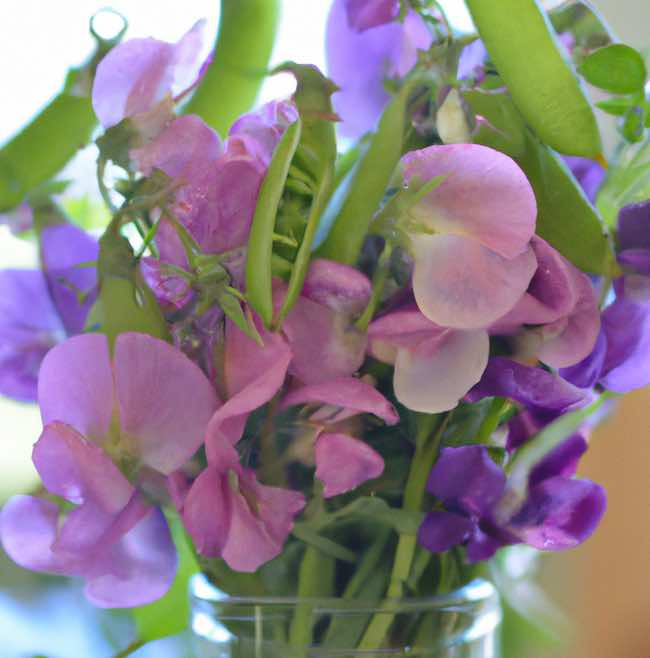
Sweet peas are one of the most rewarding flowers you can grow, offering gorgeous colours and that distinctive, delicate fragrance from June through to September. February is an ideal time to sow them, giving plants time to develop strong root systems before planting out in spring.
How to sow sweet peas now:
Start by soaking the seeds overnight in water to soften their tough outer coating and speed up germination. The next day, fill root trainers, deep pots, or even repurposed toilet roll tubes with good quality seed compost. Sweet peas develop long tap roots, so depth is more important than width.
Sow seeds about 2-3cm deep, placing one or two seeds per tube or module. Water gently and place on a bright windowsill or in an unheated greenhouse. They should germinate within 7-14 days.
Once seedlings have two or three pairs of leaves, pinch out the growing tip to encourage bushier, more floriferous plants. When the weather warms up in April, you can gradually harden them off before planting out into their final positions. For tips on keeping your sweet peas flowering all summer long, read our guide on extending sweet pea flowering.
Plant Allium Bulbs in Pots for Architectural Interest
Alliums bring drama and structure to late spring and early summer borders with their distinctive spherical flower heads. While autumn is the traditional planting time, you can still plant allium bulbs in pots during February and achieve excellent results.
Planting alliums in containers:
Choose a pot at least 30cm deep with drainage holes in the base. Fill with a mixture of multipurpose compost and grit for good drainage – alliums hate sitting in waterlogged soil.
Plant bulbs at about three times their own depth, which usually means around 10-15cm deep depending on the variety. You can pack them quite closely in pots – spacing them about 7-10cm apart creates a fuller display. Water after planting, then place the pot in a sheltered spot outdoors. They need a period of cold to flower well.
Popular varieties like ‘Purple Sensation’ will flower in May, while later varieties such as the dramatic Allium ‘Globemaster’ bloom in June, extending your season of interest. For more ideas on spring and summer bulbs, see our article on favourite bulbs for autumn planting.
Other February Tasks for Future Colour
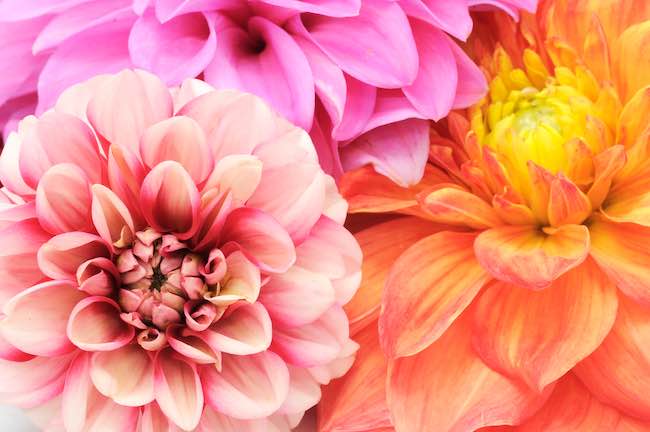
Start dahlias indoors: If you lifted dahlia tubers last autumn, late February is the time to pot them up and start them into growth on a bright windowsill or in a heated greenhouse. This gives you larger plants with more flowering potential when you plant them out after the last frosts. Our detailed guide on starting dahlias from tubers in January and February explains exactly how to do this, including how to take cuttings to multiply your stock.
Sow hardy annuals under cover: While many hardy annuals can be direct-sown outdoors in March and April, sowing varieties like cornflowers, nigella, and calendula in modules now gives you earlier flowers and more robust plants.
Chit begonia tubers: Place begonia tubers hollow-side up in trays of barely moist compost and keep them somewhere warm and bright. Once shoots appear, pot them up individually. They’ll reward you with months of colour in shady spots from June onwards.
Order summer bulbs: Get your order in now for summer-flowering bulbs like lilies, gladioli, and crocosmia. You won’t plant them until April or May, but popular varieties sell out quickly.
The Rewards of Planning Ahead
These February tasks might seem small, but they’re investments in your garden’s future. Sweet peas sown now will produce armfuls of cut flowers all summer long. Alliums planted today will create stunning focal points that butterflies and bees adore. And those dahlia tubers starting into growth will become the backbone of your late-summer border.
The key is to think of February not as the tail end of winter, but as the beginning of your growing season. A little effort now, in the relative quiet of late winter, sets you up for months of colour and enjoyment when the warmer weather arrives.
For more seasonal advice on tasks throughout the year, explore our guide to winter garden jobs.
Need Help Planning Your Garden?
If you’d like expert guidance on creating a colourful, well-planned garden, our MyGardenTeam service provides year-round support tailored to your specific garden and goals. Or start with our One-Day Gardening Course, which includes 12 months of MyGardenTeam membership to help you gain confidence and make the most of every season.
So find yourself a bright windowsill, gather your seeds and bulbs, and spend a Sunday afternoon planning for the colourful garden to come. Your summer self will thank you.