Ali – October 2026 gardening tasks
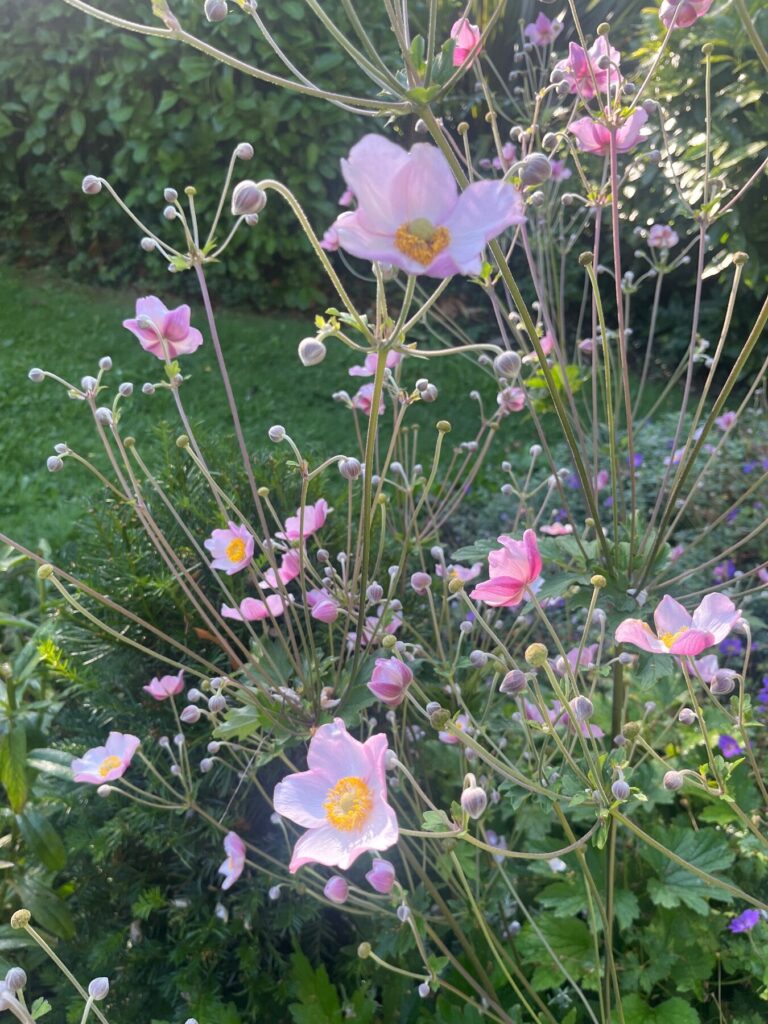
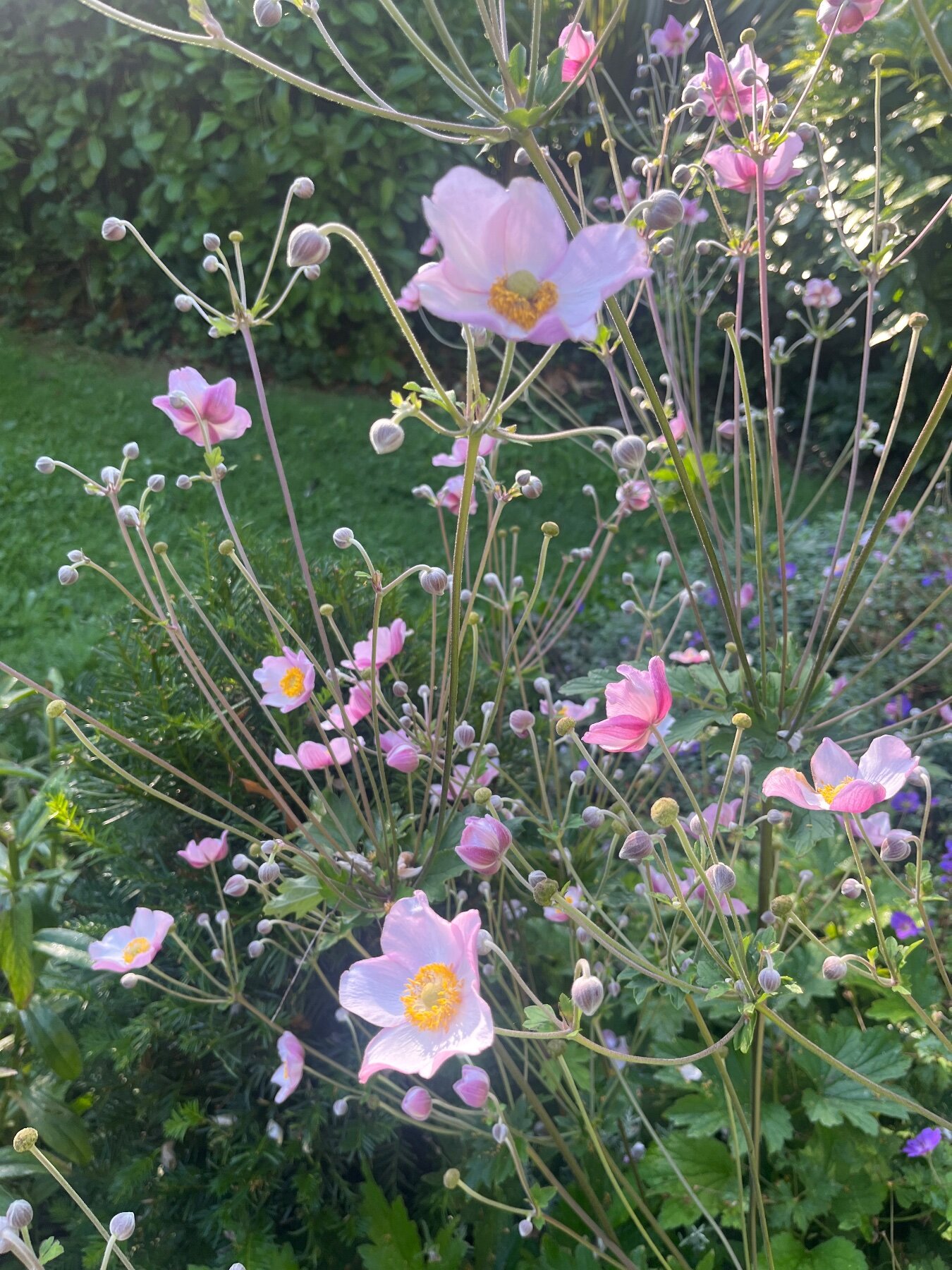
Anemone queen charlotte
October is a good month to improve the soil, prepare for next year and complete the remaining autumn jobs. Choose dry, workable days for the soil and lawn tasks, and watch the forecast for the first frost.
What to do with your plants
- Dahlias: Keep deadheading while they flower. Water if the soil is dry and continue a high-potash feed only while the plants are actively flowering. After the first frost blackens the foliage, decide whether to lift and store the tubers or protect them in well-drained ground. Read Ali’s dahlia advice.
- Pelargoniums: If the geraniums discussed with Elena are tender pelargoniums, take any remaining healthy cuttings and bring plants and rooted cuttings into a bright, frost-free place. Keep them on the dry side over winter. See the cutting instructions.
- Japanese anemone and border sedum: Leave healthy flowers and seedheads for autumn colour and wildlife. Remove collapsed or diseased growth, but save the main cutback for spring. These names were suggested from photographs, so please check the identifications. See Ali’s saved plant entries.
- Asparagus: If you want to establish or extend the bed, look for healthy two- to three-year-old crowns and prepare a sunny, well-drained position with plenty of organic matter. Plant suitable dormant crowns if available and the soil is workable, following the supplier’s timing and instructions; otherwise have the bed ready for the main spring planting period. For existing plants, cut the ferny stems down once they have turned yellow. See Ali’s asparagus plan.
Vegetable beds and compost
Dig out any finished, well-rotted compost from the existing heaps and spread it across available vegetable and flower beds. Leave it on the surface for worms to work into the soil over winter. Keep it away from plant crowns and stems. Set up space in the heaps for fallen leaves and suitable remains of this year’s vegetable crops, ready for more garden material next year. Keep diseased material and persistent weed roots out of ordinary compost heaps. Read GardenAdvice’s compost and vegetable-bed guidance.
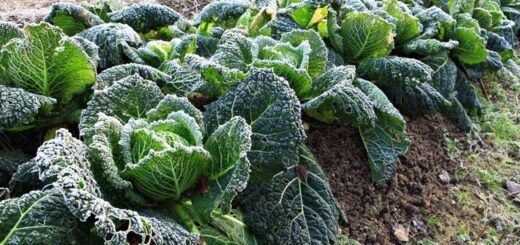
Check the kale, leeks and broccoli from the earlier vegetable plan and harvest crops as they become ready. Ali’s planting calendar also lists garlic cloves and overwintering onion sets for October, if you still want to grow them. See Ali’s month-by-month planting calendar.
Wildlife pond
Continue removing visible blanket weed by twisting it gently around a cane and lifting it out, without pulling up pond plants or disturbing wildlife. Check the pond regularly rather than trying to strip it completely in one session. Remove excessive fallen leaves before they sink. See the GardenAdvice blanket weed guide.
Fruit trees and roses
Check this year’s codling moth traps and note how many moths were caught and whether the fruit shows damage. Use the results to decide what replacement lures or trap kits to obtain for next year. Read about codling moth traps.
Once the leaves have fallen and the plants are dormant, consider Vitax Winter Tree Wash for suitable fruit trees and roses to reduce overwintering insect pests. This is usually a November-to-February task, so October is the time to plan it. Follow the current product label and apply on a calm, dry day. See GardenAdvice’s winter wash guidance.
Lawn
Overseed thin areas while the soil is still warm enough for germination. If you would like a grass-and-clover lawn, consider adding microclover seed. Prepare the surface so the seed contacts the soil, and water during dry spells while it establishes. See autumn lawn renovation and the GardenAdvice clover-lawn guide.
Other October checks
Make sure tender plants have frost-free space, check the greenhouse glazing repair noted earlier, and collect leaves from paths and containers. Raise containers that could sit in water over winter. Check the condition of the pond-edge planting and make a list of any gaps to fill.