
Growing Lavender: Essential Tips for Thriving Plants and Abundant Blooms
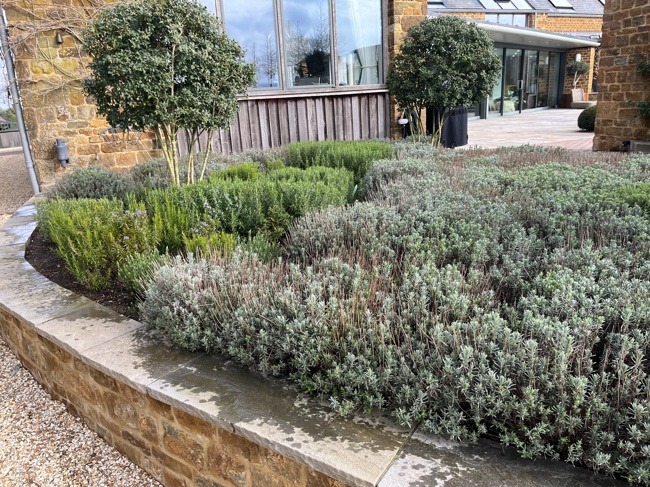
Lavender is often hailed as a low-maintenance plant that thrives in poor, lean soil. While this holds true for many traditional gardening practices, the reality is that if you want vibrant growth and multiple flowering periods, lavender benefits significantly from controlled feeding and careful pruning. In this blog post, we will explore practical techniques for cultivating healthy lavender plants that reward you with fragrant flowers.
Feeding Lavender for Strong Growth
To enhance the performance of your lavender plants, consider incorporating a high nitrogen fertiliser into your care routine. A popular choice is Miracle-Gro All Purpose Plant Food, which contains approximately 24% nitrogen. Here’s how to approach feeding your lavender:
- Frequency: Apply the fertiliser every 2–3 weeks during the growing season, typically from spring to early summer.
- Benefits: Regular feeding encourages vigorous new shoots and promotes soft green growth.
- Older Plants: It can help rejuvenate older, woody plants that may have become sparse or overgrown.
Despite the traditional viewpoint that lavender thrives in poor soil, commercial lavender growers often apply fertilisers regularly to maximise plant size, stem production, and blooming potential. Therefore, adopting a balanced feeding strategy can significantly improve the vitality of your garden lavender.
Pruning and Maintenance
When it comes to pruning lavender, the focus should be on light and regular maintenance rather than heavy cutting. Here are key tips for effective lavender pruning:
- When to Prune: Trim your lavender plants after they finish flowering to encourage a second flush of blooms. In the UK, with the right techniques, it is often possible to achieve two flowering periods each year.
- Avoid Heavy Pruning: Never cut back into old brown woody stems, as these tend not to regenerate. Instead, follow these steps:
1. Cut just into the green, flexible growth at the top of the plant.
2. Aim to shape the plant to maintain a compact, bushy form.
3. This ensures the plant remains healthy and produces abundant flowers.
Managing Woody Lavender Plants
If you find that your lavender has become very woody, you might be tempted to cut it back hard. However, this can lead to dieback. Instead, here’s a safer approach to rejuvenating struggling lavender:
- Feeding Strategy: Continue to feed regularly with a high nitrogen fertiliser to stimulate growth.
- Patience Required: Allow new shoots to emerge from lower down on the plant.
- Timing Your Cuts: Once fresh growth appears, carefully cut back to just above these new shoots. This gradual method helps avoid the risks associated with heavy pruning.
This staged approach allows you to rejuvenate older lavender plants while ensuring they remain healthy and attractive.
Key Takeaways
- Regular Feeding: Promote fresh growth by feeding with high nitrogen fertiliser throughout the growing season.
- Light Pruning: Prune lightly and frequently, avoiding cuts into old wood to maintain plant health.
- Rejuvenate with Care: Use controlled feeding to regenerate woody plants before deciding on cuts.
By following these practical notes on feeding and pruning, your lavender can thrive and potentially flower twice per season in the UK. Whether you’re new to gardening or a seasoned pro, incorporating these tips will help ensure that your lavender plants are the stars of your garden, providing not just stunning beauty, but also delightful fragrance for you to enjoy.