
Bearded Iris – Thriving in Warmer Summers and Changing Garden Conditions
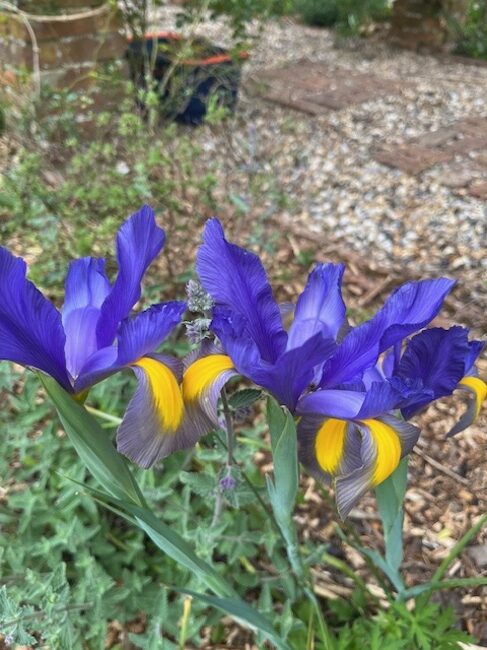
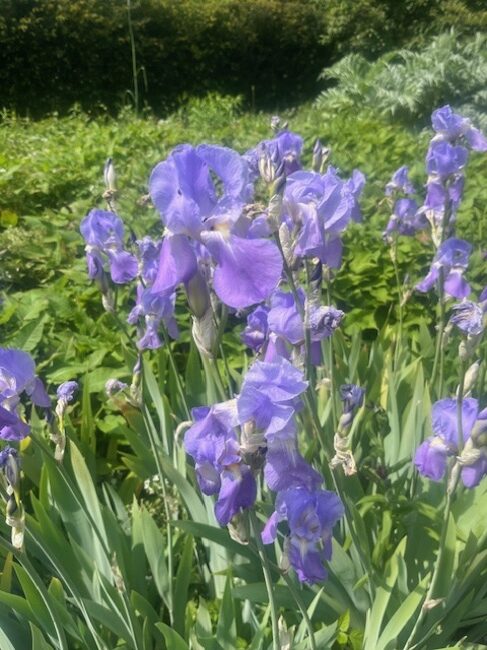
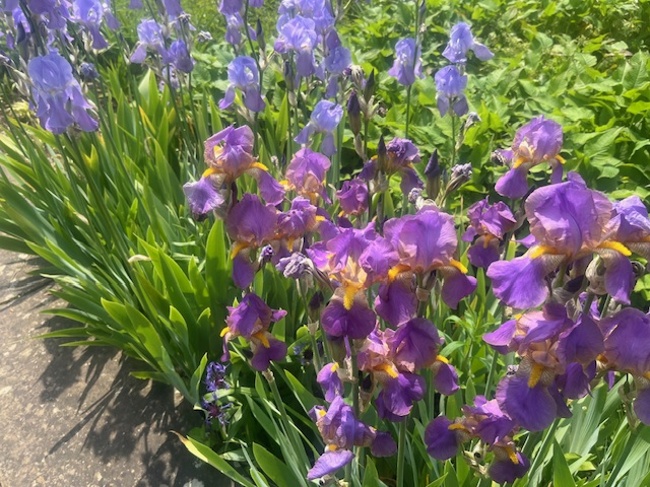
Bearded irises are among the most dramatic and architectural flowering plants for the garden. Known for their large ruffled flowers and sword-like foliage, they provide spectacular colour from late spring into early summer and have long been favourites in traditional cottage gardens and formal borders alike.
Interestingly, many gardeners are finding that recent warmer and drier summers associated with climate change seem to be particularly well suited to bearded irises. Unlike many moisture-loving plants that struggle during prolonged dry periods, bearded irises often perform better with increased heat, sunshine and well-drained soils.
Why Climate Change Appears to Suit Bearded Iris
Bearded irises originate from regions with hot summers and relatively dry conditions. Their thick rhizomes are naturally adapted to survive periods of drought and intense sunlight.
In many parts of the UK, warmer springs and hotter summers are now:
- Encouraging stronger flowering
- Improving rhizome ripening
- Reducing winter rot problems
- Increasing flower production
- Extending the range of varieties that can be grown successfully
Historically, some gardeners struggled to flower bearded irises reliably in cooler or wetter regions of Britain. However, with warmer growing seasons becoming more common, many varieties now appear to establish and flower far more consistently.
The Importance of Drainage
Although bearded irises tolerate cold winters well, they dislike sitting in wet soil, especially during winter months.
One of the main reasons they are benefiting from warmer conditions is that drier summers help keep the rhizomes healthy and reduce fungal diseases and rot.
For best results:
- Plant in full sun
- Use free-draining soil
- Avoid heavy mulching directly over the rhizomes
- Ensure the rhizome sits partially exposed above soil level
The exposed rhizome should ideally bake slightly in the summer sun, which encourages strong flowering the following year.
Planting Bearded Iris
Bearded irises are usually planted from July to September.
Planting Method
- Prepare well-drained soil
- Add grit if the soil is heavy clay
- Create a small mound of soil
- Spread the roots around the mound
- Position the rhizome just above soil level
- Firm gently and water lightly
Spacing is important because overcrowding reduces flowering and air circulation.
Feeding and Maintenance
Bearded irises are relatively low maintenance once established.
Feeding
Feed in spring with a balanced fertiliser such as Growmore, avoiding excessive nitrogen which can encourage soft leafy growth at the expense of flowers.
You can read more about general plant feeding here:
During the growing season, a high-potash liquid feed can help encourage flowering and rhizome development.
Dividing Clumps
Bearded irises should normally be divided every 3–4 years.
Overcrowded clumps often:
- Flower poorly
- Develop dead centres
- Become more disease-prone
Division is best carried out shortly after flowering in mid to late summer.
When dividing:
- Retain young healthy rhizomes
- Trim leaves into a fan shape
- Remove old woody sections
- Replant vigorous outer pieces
Best Companion Plants
Bearded irises combine well with drought-tolerant and sun-loving plants such as:
- Lavender
- Nepeta
- Salvia
- Alliums
- Euphorbia
- Roses
- Peonies
Their upright foliage provides strong structure even after flowering.
Modern Gardens and Climate-Resilient Planting
As UK gardens experience warmer summers and longer dry spells, many gardeners are beginning to reassess traditional planting choices. Bearded irises fit perfectly into this more climate-resilient style of gardening because they:
- Require relatively low summer watering
- Thrive in hot sunny borders
- Tolerate drought once established
- Provide reliable seasonal colour
For this reason, bearded irises are becoming increasingly valuable plants for sustainable garden design, gravel gardens and lower-maintenance borders.