Growing Vegetable Seedlings on a Windowsill in the New Year
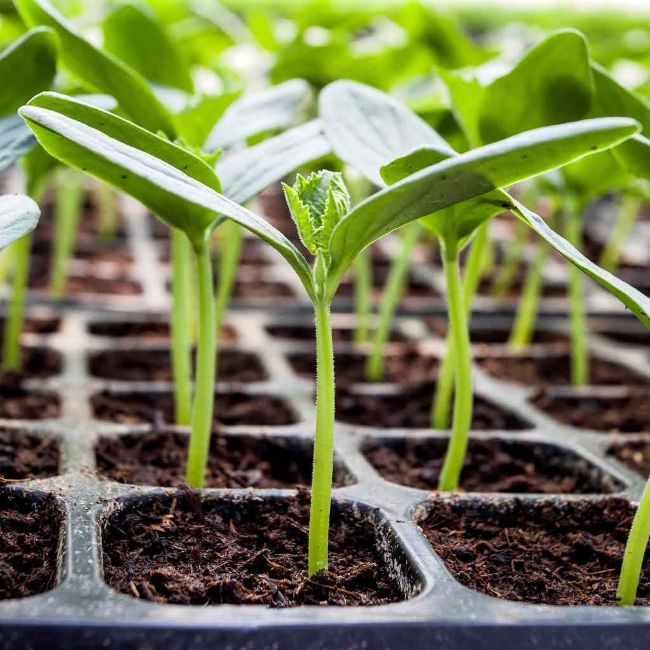
There’s something wonderfully optimistic about sowing vegetable seeds just after Christmas. While the garden outside is cold, wet and largely dormant, a tray of seedlings on a bright windowsill feels like the first quiet step toward spring. Tomatoes, chillies, peppers, early lettuces and brassicas are often started this way — especially in the UK, where the growing season benefits from an early start indoors.
However, growing seedlings on a windowsill in January and February comes with its own set of challenges. Chief among them is weak, spindly growth — seedlings that stretch, lean dramatically toward the light, and struggle once moved outdoors.
Let’s look at why this happens and how to prevent it.
Why Windowsill Seedlings Become Thin and Leggy
1. Light Levels Are Lower Than You Think
Even on a bright winter’s day, light intensity indoors is dramatically lower than outdoors. Glass filters light, days are short, and the sun sits low in the sky. Seedlings respond by stretching upward and sideways in search of more light — a process known as etiolation.
The result?
- Long, thin stems
- Pale growth
- Leaves leaning hard toward the window
- Weak structure prone to collapse
2. One-Sided Light Exposure
On a windowsill, light comes from only one direction. Seedlings naturally bend toward it — a response called phototropism. If left uncorrected, they grow permanently lopsided.
3. Warm Rooms Encourage Fast, Weak Growth
Central heating compounds the issue. Warm air speeds up growth, but without enough light to support it, seedlings become tall and fragile rather than compact and sturdy.
4. Overcrowding
When seedlings are sown too thickly in trays or pots, they compete for limited light, causing even more stretching.
Common Crops That Suffer Most
Certain vegetables are particularly prone to legginess indoors:
- Tomatoes
- Chillies and peppers
- Courgettes
- Brassicas (cabbage, broccoli, kale)
- Sweet peas
Root crops like carrots and parsnips are not suitable for early windowsill sowing anyway — they prefer direct sowing outdoors.
Practical Solutions to Stronger Seedlings
The good news is that most problems can be corrected with a few simple adjustments.
1. Turn Seedlings Daily
Rotate pots or trays 180 degrees every day to ensure even growth. This alone can significantly reduce leaning.
2. Use Reflective Surfaces
Place white card or foil behind seedlings to reflect light back onto the shaded side. This helps balance growth and increases overall light exposure.
3. Move to the Brightest Possible Location
A south-facing windowsill is ideal. East-facing can work. North-facing rarely provides enough winter light for healthy vegetable seedlings.
Keep the glass clean — it genuinely makes a difference.
4. Reduce Heat
If possible, grow seedlings in a cooler room once they’ve germinated. Ideal temperatures:
- Tomatoes: 18–21°C for germination, then 15–18°C
- Brassicas: 10–15°C after germination
Cooler conditions slow growth slightly, allowing stems to thicken properly.
5. Thin Early
Don’t let seedlings compete. Thin to the strongest plant in each cell or pot as soon as true leaves appear.
6. Pot On Deeply (Especially Tomatoes)
Tomatoes are forgiving. If they become leggy, you can bury the stem deeper when potting on — roots will form along the buried stem, creating a stronger plant.
Brassicas and peppers are less forgiving, so prevention is better than cure.
7. Consider Supplementary Lighting
If you regularly grow seedlings indoors, a simple LED grow light can transform results. It doesn’t need to be expensive — even a small setup positioned just above the seedlings can:
- Prevent stretching
- Produce compact, sturdy plants
- Allow earlier sowing with confidence
Lights should sit just a few inches above seedlings and run for 12–14 hours per day.
Hardening Off: The Final Challenge
Windowsill-grown seedlings are delicate. Before planting outdoors, they must be hardened off gradually over 7–10 days:
- Start with a sheltered, shaded outdoor position for a few hours
- Gradually increase exposure
- Protect from frost and strong wind
Skipping this stage can undo all your careful indoor growing.
A Balanced Approach to Early Sowing
It’s tempting to sow everything in January, but restraint pays dividends. For many vegetables in the UK climate:
- Late February to March is early enough
- Stronger light levels reduce legginess
- Plants catch up quickly
Starting slightly later often produces sturdier plants than struggling to nurse weak seedlings through weeks of low winter light.
Growing vegetable seedlings on a windowsill in the new year is deeply satisfying — a small act of defiance against winter. But understanding the limits of indoor light is key.
Provide as much light as possible, avoid excessive warmth, rotate regularly, and thin promptly. Do that, and your early optimism will translate into strong, resilient plants ready for the garden when spring finally arrives.
If you’d like, I can also turn this into a slightly more conversational piece or a more formal horticultural article — just say the word.