Why Every Garden Pond Needs ProperAeration: A Complete Overview
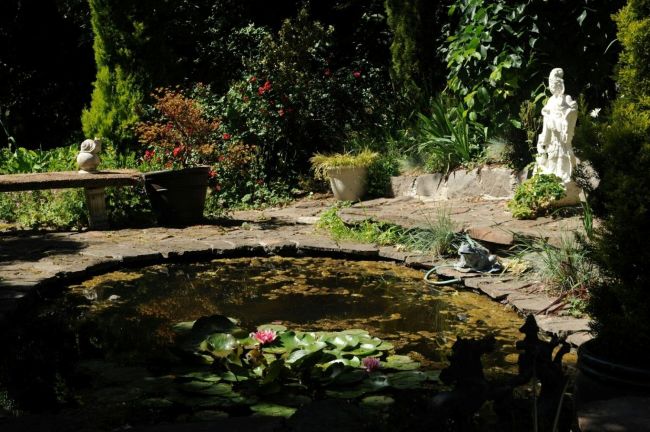
Garden ponds add beauty, movement, and biodiversity to outdoor spaces. Whether designed for decorative fish, aquatic plants, or natural wildlife, ponds create a miniature ecosystem that requires balance to remain healthy. One of the most important factors supporting that balance is oxygen. Without adequate oxygen circulation, even the most carefully designed pond can develop water quality issues that affect both aesthetics and aquatic life.
Proper aeration ensures that oxygen is distributed throughout the pond while helping prevent stagnation and nutrient buildup. Pond owners seeking deeper insight into aeration strategies often consult resources such as this comprehensive guide, which explores aeration techniques, system types, and practical considerations for maintaining healthy water conditions.
Understanding the Role of Oxygen in Pond Ecosystems
Oxygen is essential for nearly every living organism in a pond. Fish rely on dissolved oxygen for respiration, while beneficial bacteria require oxygen to break down organic waste. Aquatic plants also contribute to oxygen production during daylight hours through photosynthesis.
However, natural oxygen levels in small garden ponds can fluctuate significantly. Warm temperatures, heavy plant growth, and organic debris can all reduce oxygen levels. When oxygen becomes limited, fish may experience stress and bacteria responsible for breaking down waste become less effective.
Aeration systems help maintain stable oxygen levels by introducing air into the water and improving circulation. This process supports the biological activity that keeps pond ecosystems functioning properly.
How Stagnant Water Affects Pond Health
A common problem in garden ponds is stagnation. When water remains still for long periods, oxygen levels decrease and organic matter begins accumulating at the bottom. Leaves, fish waste, and plant debris gradually form sediment layers that release gases such as methane or hydrogen sulfide as they decompose.
Stagnant conditions can also encourage the growth of unwanted algae. Excess nutrients combined with poor circulation create an environment where algae blooms can develop quickly, turning the water green and reducing visibility.
Aeration helps prevent stagnation by keeping water in motion and allowing oxygen to penetrate deeper layers of the pond. This circulation ensures that organic material breaks down more efficiently and that harmful gases do not accumulate.
Supporting Beneficial Bacteria
Healthy ponds depend heavily on beneficial bacteria that break down organic matter. These microorganisms convert waste materials into simpler compounds that can be absorbed by plants or safely dispersed in the water.
For these bacteria to function effectively, they need adequate oxygen levels. In poorly aerated ponds, anaerobic bacteria dominate the decomposition process. These bacteria produce unpleasant odors and slow down waste breakdown.
Aeration encourages the growth of aerobic bacteria, which decompose organic material more efficiently and without producing foul-smelling gases. As a result, ponds with proper aeration often have clearer water and reduced sludge accumulation.
Preventing Algae Overgrowth
Algae growth is one of the most visible issues pond owners face. While some algae are natural and even beneficial in small quantities, excessive algae can disrupt the balance of the ecosystem.
Aeration helps control algae in several ways. By circulating water and distributing nutrients evenly, it prevents nutrient-rich pockets from forming in stagnant areas. At the same time, improved oxygen levels support bacteria that compete with algae for nutrients.
When these biological processes remain balanced, algae growth becomes more manageable and less likely to dominate the pond environment.
Creating a Healthier Habitat for Fish
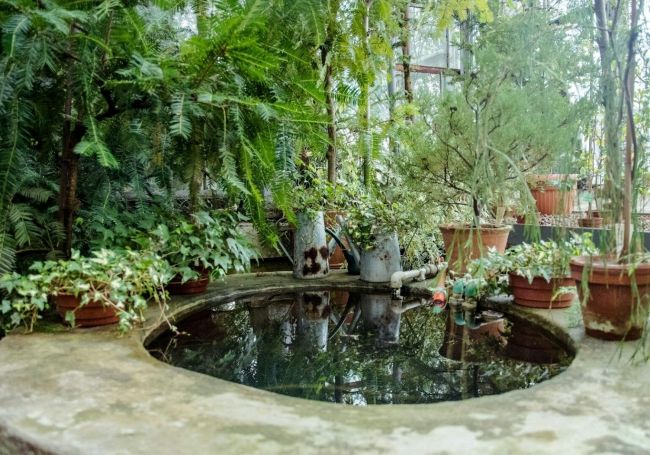
Fish are particularly sensitive to oxygen fluctuations in ponds. During hot weather or nighttime hours when plants stop producing oxygen, dissolved oxygen levels can drop rapidly. In extreme cases, fish may gasp at the surface as they struggle to obtain enough oxygen.
Aeration systems help maintain a consistent oxygen supply throughout the day and night. By circulating oxygen-rich water from the surface to deeper areas, these systems expand the usable habitat within the pond.
Fish benefit from a more stable environment where oxygen remains available across different depths and temperature changes have less impact on water conditions.
Improving Water Clarity and Circulation
Another noticeable benefit of aeration is improved water clarity. Circulating water prevents fine particles from settling unevenly and encourages filtration systems to capture debris more effectively.
As organic matter breaks down more efficiently and beneficial bacteria remain active, water becomes clearer and healthier for aquatic life. Improved clarity also enhances the visual appeal of garden ponds, allowing plants and fish to be seen more easily.
In addition to clarity, aeration contributes to better temperature distribution within the pond. Water layers mix more evenly, reducing the likelihood of stratification that can trap oxygen-poor water near the bottom.
Long-Term Benefits for Pond Maintenance
Maintaining a pond without aeration often requires frequent manual cleaning and chemical treatments to control algae or odor problems. Aeration reduces the need for these interventions by supporting the pond’s natural biological processes.
Over time, aerated ponds tend to accumulate less organic sludge and maintain more stable water chemistry. This means pond owners spend less time addressing recurring problems and more time enjoying their outdoor water feature.
Consistent oxygen circulation also extends the lifespan of the pond ecosystem by preventing conditions that lead to fish stress or plant imbalance.
A Key Element of Sustainable Pond Care
Garden ponds thrive when natural processes are allowed to function efficiently. Aeration supports these processes by providing the oxygen and circulation necessary for healthy microbial activity, balanced nutrient levels, and stable aquatic habitats.
For pond owners looking to protect their investment and maintain a vibrant outdoor ecosystem, aeration remains one of the most effective and sustainable solutions. By improving oxygen levels and supporting biological balance, aeration helps transform garden ponds into resilient environments that remain clear, healthy, and enjoyable throughout the seasons.