Growing Yams in the UK from Planting to Plate
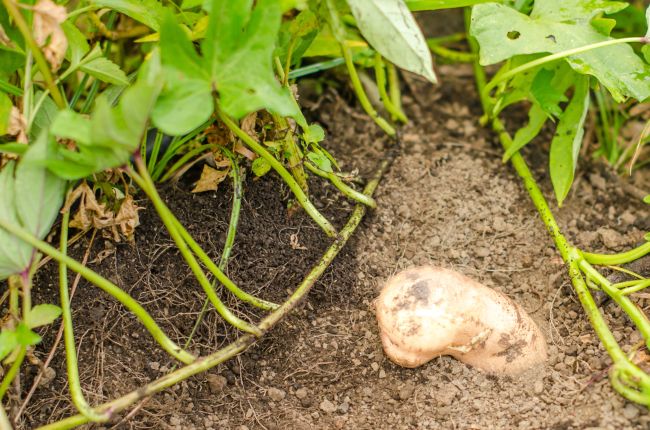
Yams
Growing yams in the UK can feel like an ambitious project, but it’s doable with the right approach—especially if you treat them as a warm-season crop and give them a long, protected growing period. True yams (genus Dioscorea) aren’t the same as sweet potatoes, and they generally need more heat and time to bulk up. That said, with a greenhouse or polytunnel (or a very warm, sheltered microclimate outdoors), you can grow a decent crop that goes from planting to plate with real satisfaction. Below is a practical guide to getting them established, keeping them fed, dealing with common problems, and finishing with harvesting and cooking notes.
Planting and Feeding Yams in the UK Climate
Yams need warmth, a long growing season, and a structure to climb, so the first decision in the UK is where they’ll live. In most areas, a greenhouse or polytunnel is the best bet, because yams sulk in cold soil and stall when nights are chilly. Choose a bright spot with plenty of headroom or provide a sturdy trellis, strings, or canes: yam vines are vigorous and will happily scramble upwards all summer. If you’re trying outdoors, pick a south-facing, sheltered spot near a wall, and be prepared to use cloches or horticultural fleece early on.
Planting usually starts with “seed yams” (small tubers) or sections of tuber with at least one growth point, and timing matters. Potting them on indoors in spring gives you a head start: place the tuber in a pot of free-draining compost, keep it gently moist, and maintain warmth so it sprouts before the weather settles. Once you can reliably keep temperatures up—typically late May or June for many UK gardens—you can transplant into final positions. Plant into deep, loose soil or large containers, because tubers need space to develop; heavy clay is best improved with lots of organic matter and grit for drainage.
Feeding is about steady growth without waterlogging the roots. Start with rich, well-prepared soil: garden compost, well-rotted manure, or a peat-free organic soil conditioner worked in before planting will support early development. During the growing season, keep moisture consistent—think “evenly damp, never saturated”—and mulch to reduce fluctuations, especially if growing outdoors. A balanced liquid feed every couple of weeks can help while vines are racing away; later in the season, a slightly higher-potash feed (like a tomato feed) can encourage tuber formation, but don’t overdo nitrogen or you’ll get lots of leaf and not much yam.
Pests, Harvesting, and Cooking Yams from Home
In UK conditions, yams are more likely to suffer from greenhouse pests than the classic tropical field problems. Watch for red spider mite in hot, dry glasshouses (fine webbing and speckled leaves), aphids on soft new growth, and whitefly—especially if you grow other tender crops nearby. Raising humidity helps deter mites, while regular leaf checks, removing heavily infested growth, and using biological controls (like predatory mites or parasitic wasps) can keep populations in check. Slugs and snails can also chew young shoots outdoors, so protect emerging growth with barriers or night-time checks.
Disease issues are often linked to damp, cold, or poor drainage rather than exotic pathogens. The biggest risk is tuber rot: if the soil stays waterlogged or the tubers sit cold and wet, they can fail before they properly start. Use a free-draining mix, avoid overwatering early on, and don’t rush planting out into chilly ground. Good airflow in a greenhouse reduces fungal problems, and keeping vines trained and tidy also makes it easier to spot early trouble. If you reuse containers, clean them, refresh compost, and rotate positions where possible to reduce carry-over issues.
Harvesting is typically in autumn, when foliage begins to yellow and die back—often around the first real chills. Ease back on watering late in the season so the tubers firm up, then lift carefully with a fork to avoid damage. Let the tubers dry and “cure” somewhere warm and ventilated for a short period (a week or two) to improve storage life and flavour, then store in a cool, dry place where they won’t get damp or cold enough to chill. In the kitchen, treat yams like a starchy root: peel, cube, and boil until tender; roast with oil, salt, and spices; or mash with butter and seasoning. They’re also excellent in soups and stews, where they thicken the broth and add a mild, earthy sweetness.
Growing yams in the UK is less about luck and more about stacking the odds in your favour: warmth, time, drainage, and steady feeding. Keep a close eye out for greenhouse pests, avoid cold wet soil, and harvest once the plant naturally winds down in autumn. If you can provide a protected growing space and a climbing structure, you’ll be rewarded with a homegrown staple that’s satisfying to lift, stores well when cured properly, and turns into comforting meals whether boiled, roasted, or mashed.