Helping Your Fruit Trees Produce a Successful Crop
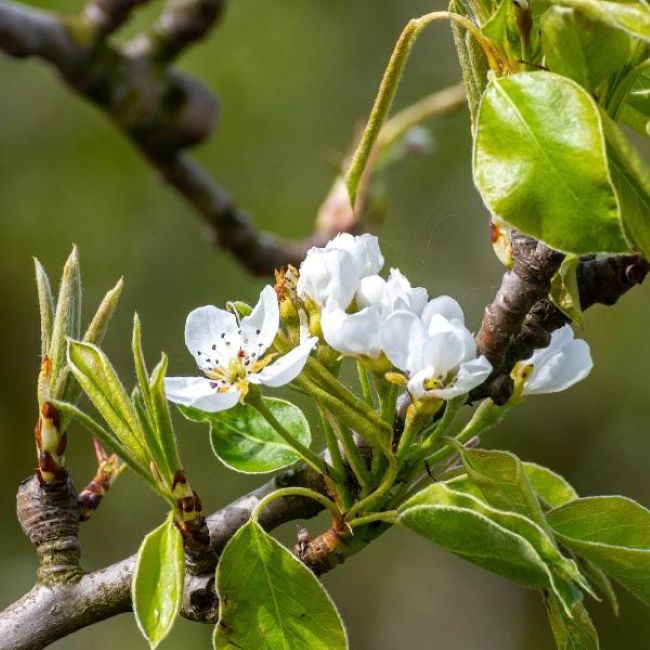
Why watering after flowering is key for apples, pears and stone fruit
Getting a good crop from your fruit trees isn’t just about pruning and feeding. Watering at the right time is one of the biggest factors in success.
This is particularly important during the period just after flowering, when the fruit begins to set.
This advice applies to apples, pears, plums, gages, nectarines and peaches.
The critical stage: flowering to fruit set
After flowering, your tree moves into one of its most important phases. Pollinated flowers begin forming fruit, the tree decides how many fruits it can support, and early fruit growth begins.
This is when the tree is most sensitive to stress, especially from dry soil.
If conditions are too dry, the tree may drop developing fruits, produce fewer fruits, or result in smaller or lower-quality crops.
Why watering improves fruiting
During fruit set, the demand for moisture increases significantly.
Keeping the soil evenly moist helps to improve fruit set, support early fruit development, reduce fruit drop, and increase final fruit size and quality.
This is particularly important for pears, which can be prone to fruit drop, and nectarines and peaches, which are sensitive to inconsistent watering.
What to do in dry weather
In many UK gardens, this stage coincides with dry spring or early summer conditions, especially in sheltered or south-facing areas.
The best approach is to water deeply rather than little and often. Apply water slowly at the base of the tree so it reaches the root zone. Allow the soil to dry slightly between watering, but do not let it dry out completely.
A simple way to check is to push your finger into the soil. If it feels dry a few inches below the surface, it is time to water.
Mulching for better moisture retention
Mulching is one of the easiest ways to improve results.
Suitable materials include garden compost, well-rotted manure, or bark mulch.
Mulching helps retain moisture in the soil, reduces plant stress, improves soil structure, and cuts down on watering requirements.
Apply mulch around the base of the tree, but keep it clear of the trunk.
A simple routine for success
Start monitoring soil moisture as trees begin to flower. Water deeply during dry spells. Apply mulch in spring. Maintain consistent moisture levels throughout the early fruiting period.
Whether you are growing apples in a garden, pears along a fence, or nectarines against a warm wall, the period just after flowering is when your crop is decided.
By keeping the soil evenly moist during this time, you give your trees the best chance to hold onto their fruit, develop properly, and produce a stronger, healthier harvest.