Pear Tree Pollination
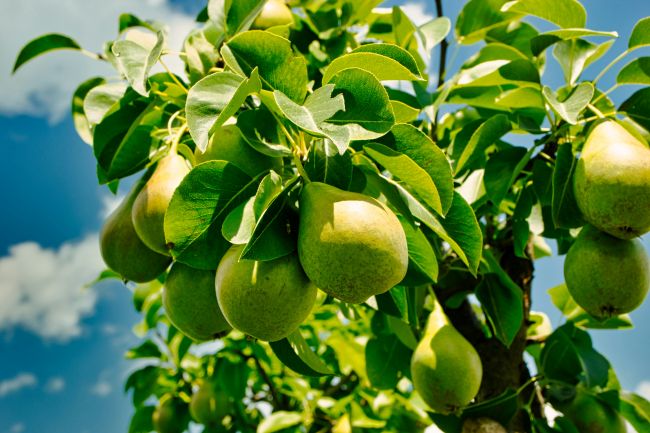
Pollination of Pear Trees: Why It Matters for Fruit Production
Pear trees are often generous with blossoms in spring, yet many gardeners are disappointed when little or no fruit follows. One of the most common reasons for this is poor or absent pollination. Understanding how pear trees are pollinated can make a dramatic difference to the size, quality, and reliability of your harvest.
Why Cross-Pollination Is So Important
Most pear varieties are not fully self-fertile. This means that pollen from the same tree – or even another tree of the same variety – will not reliably produce fruit. Instead, pears usually need pollen from a different but compatible variety that flowers at the same time.
When a pear tree lacks a suitable pollination partner, you may notice:
- Plenty of spring blossom
- Very little or no fruit set
- Small fruit that drops prematurely
Good cross-pollination allows the flowers to develop into healthy, well-shaped pears and leads to far more consistent cropping.
Pollination Groups Explained
Pear trees are classified into pollination groups (A, B, C, and D) according to when they flower.
- Trees in the same group will pollinate each other
- Trees in adjacent groups usually will too (for example, Group B and Group C)
- Trees with flowering times too far apart are unlikely to be effective partners
Some common examples include:
- Conference – Group C (partially self-fertile but far more productive with a partner)
- Williams Bon Chrétien (Bartlett) – Group B
- Comice – Group C
- Concorde – Group C (often planted with Conference)
A Group B pear will usually pollinate a Group C pear, but it is unlikely to pollinate a Group D tree.
What About Self-Fertile Pear Trees?
A few pear varieties are described as partially self-fertile, but this can be misleading. While they may produce some fruit on their own, cross-pollination still brings major benefits, including:
- Heavier crops
- Better fruit size and shape
- More reliable harvests year after year
In practice, even “self-fertile” pears perform much better when another compatible pear tree is nearby.
Other Factors That Affect Pollination
Even when the right varieties are planted, pollination can still fail due to environmental conditions, such as:
- Cold, wet, or windy weather during flowering, which reduces bee activity
- Trees planted too far apart (ideally within 30–50 metres)
- Late frosts damaging blossom
- Gardens that are extremely exposed or overly sheltered
Healthy pollination relies on both the right tree combinations and favourable spring conditions.
Practical Solutions If You Only Have One Pear Tree
If space is limited, there are still several ways to improve pollination:
- Plant a second compatible pear variety
- Choose a family pear tree, with several varieties grafted onto one rootstock
- Check whether neighbouring gardens have pear trees nearby
Encourage pollinators by planting spring flowers such as crocus and primrose, followed by nectar-rich plants later in the season