Using Coffee Grounds in the Garden: Benefits, Risks, and the Importance of Moderation
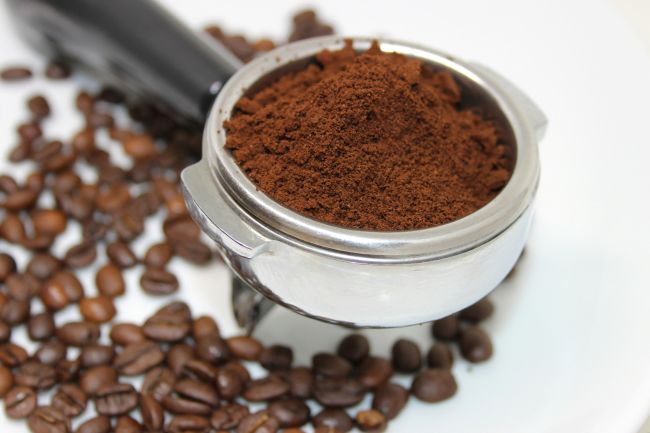
Using Coffe grounds in the garden
Coffee grounds are often promoted as a garden miracle, but the reality is more nuanced. Used correctly, they can be very helpful; used carelessly, they can cause problems. Understanding how much, where, and how to use coffee grounds is the key to getting the benefits without harming your plants or soil.
When Coffee Grounds Are GOOD for the Garden
Adding organic matter
Used coffee grounds improve soil structure, particularly in light or sandy soils. They help soil retain moisture and contribute to better crumb structure over time.
Feeding soil life
Coffee grounds are loved by beneficial soil organisms. Microbes and earthworms break them down, improving soil health and nutrient cycling.
Mild acidity (once used)
Despite common myths, used coffee grounds are only slightly acidic to near-neutral. This makes them suitable for acid-loving plants such as:
- Blueberries
- Rhododendrons
- Azaleas
- Camellias
- Hydrangeas
They are not strong enough to significantly change soil pH on their own, but they can support plants that already prefer acidic conditions.
A valuable compost ingredient
Coffee grounds are considered a “green” compost material because they contain nitrogen. They work best when mixed with plenty of “browns” such as:
- Cardboard
- Straw
- Dry leaves
This balance prevents compost from becoming slimy or compacted.
(You can find more detail here:
https://gardenadvice.co.uk/gardening-tips/using-coffee-grounds-in-the-garden/)
When Coffee Grounds Can Be BAD for the Garden
Most problems come from overuse or incorrect application.
Fresh coffee grounds straight onto soil
Unused (fresh) grounds are more acidic and contain compounds that can inhibit seed germination and plant growth. These should never be applied directly to beds or pots.
Thick layers on the soil surface
When spread in a dense layer, coffee grounds can dry out and form a crust. This crust repels water and restricts air flow, starving roots of oxygen.
Temporary nutrient lock-up
Although coffee grounds contain nitrogen, plants cannot access it immediately. Soil microbes use the nitrogen first as they break the grounds down. This can temporarily reduce available nitrogen, leading to yellowing leaves, especially in vegetables and young plants.
Not a complete fertiliser
Coffee grounds do not provide a balanced range of nutrients. Relying on them alone can lead to deficiencies over time.
The Risks of Overuse (Why Moderation Matters)
Coffee grounds are best thought of as a soil conditioner, not a fertiliser. Overusing them can:
- Compaction soil and reduce drainage
- Disrupt nutrient balance
- Encourage fungal growth on the surface
- Slow plant growth rather than improve it
As a general rule, coffee grounds should make up no more than 10–20% of the material added to soil or compost. Small, regular additions are far better than large amounts all at once.
Best Ways to Use Coffee Grounds in the Garden
Add them to compost (best option)
This is the safest and most effective method. Composting breaks them down fully and prevents problems.
Mix lightly into soil
Incorporate well, rather than leaving them on the surface. Keep the proportion low (10–20%).
Use as part of a mulch
Mix coffee grounds with bark, leaf mould, or compost before applying. Never use them alone as a mulch.
Worm bins
Worms enjoy coffee grounds, but only in moderation. Too much can make the environment acidic and compacted.
Final Thoughts
Coffee grounds can be a useful addition to the garden, but they are not a magic solution. Used sparingly and as part of a wider soil-improvement strategy, they support healthy soil life and structure. Used excessively or incorrectly, they can do more harm than good.
As with most gardening practices, moderation and balance are what make the difference.