Winter Composting: Keep Your Heap Working Through the Cold Months
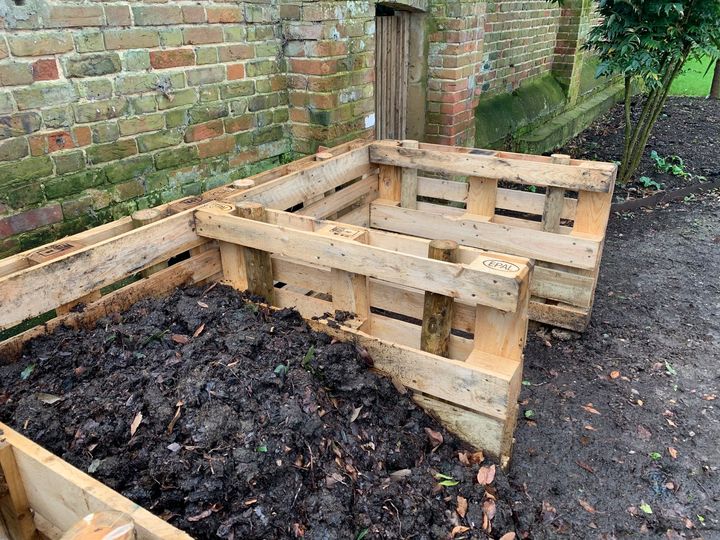
Learn how to create an easy compost heap Click Here
As temperatures drop and winter sets in, many gardeners assume their compost heap grinds to a halt until spring returns. While it’s true that composting slows down in colder weather, with a few simple measures you can keep the bacterial activity going and continue producing valuable compost throughout the winter months.
The Secret to Winter Composting: Insulation
The key to successful winter composting lies in one simple principle: keeping the heat in. The bacteria and micro-organisms that break down your organic waste need warmth to do their job effectively. In winter, this means protecting your compost heap from heat loss.
Cover Your Heap with Old Carpet
One of the most effective and economical ways to insulate your compost heap is to cover it with old carpet. This might sound unusual, but it’s a time-tested method used by experienced gardeners for decades. An old carpet laid across the top of your heap acts as a thermal blanket, trapping the heat generated by bacterial decomposition and preventing it from escaping into the cold air.
If you don’t have an old carpet to hand, other materials work well too:
- Heavy-duty tarpaulin
- Old blankets or duvets
- Thick layers of cardboard
- Black plastic sheeting weighted down at the edges
The carpet or covering material serves a dual purpose: it keeps heat in while also preventing excessive rainfall from waterlogging your heap and washing away nutrients.
Why Heat Matters
When bacteria break down organic matter, they generate heat as a by-product. A well-managed compost heap can reach temperatures of 60°C or more at its centre, even in winter. This heat is crucial because:
- It speeds up the decomposition process
- It kills weed seeds and potential pathogens
- It encourages beneficial bacteria to multiply and remain active
- It ensures you’ll have usable compost sooner rather than later
Without insulation, this precious heat simply escapes, and your composting process can slow to a near-standstill during cold snaps.
Don’t Forget Moisture Levels
While we often think of winter as wet and soggy, your compost heap can actually become too dry during the colder months, particularly if it’s well-covered and sheltered from rain. Bacteria need moisture to survive and function effectively – think of it as their life support system.
How to Check Moisture Levels
Check your compost heap regularly throughout winter by pulling back the covering and taking a handful of material from about 30cm down into the heap. The compost should feel like a wrung-out sponge – damp but not dripping wet.
Too dry? The material will feel dusty or crumbly and won’t hold together. Add water with a watering can or hose, mixing it in as you go. You may need to do this several times to ensure moisture penetrates right through the heap.
Too wet? The material will feel soggy and may smell unpleasant. Mix in dry brown materials like shredded cardboard, straw, or dried leaves to absorb excess moisture and improve air circulation.
Additional Winter Composting Tips
Keep Adding Material: Don’t stop composting just because it’s winter. Continue adding kitchen waste and garden material throughout the colder months. Aim for a good balance of green (nitrogen-rich) and brown (carbon-rich) materials.
Chop It Small: Help the bacteria by chopping larger pieces into smaller chunks. This increases the surface area available for decomposition and speeds up the process.
Position Matters: If you’re setting up a new heap, position it in a spot that catches whatever winter sun is available and is sheltered from cold winds.
Insulate the Sides Too: For extra protection in very cold regions, wrap the sides of your compost bin with cardboard, straw bales, or bags filled with dry leaves.
Minimize Turning: Resist the urge to turn your heap frequently in winter. Each time you turn it, you release heat. Save major turning for warmer weather.
The Rewards of Winter Composting
By taking these simple steps to maintain heat and moisture levels in your compost heap through winter, you’ll be rewarded come spring with rich, crumbly compost ready to nourish your garden. That old carpet covering your heap isn’t just keeping the cold out – it’s helping create the gardener’s gold that will feed your plants through the growing season ahead.
So don’t let winter stop your composting efforts. With proper insulation and attention to moisture levels, your compost heap can remain productively active even on the coldest days, turning your garden and kitchen waste into valuable organic matter all year round.