
Reviving Your Pieris: A Comprehensive Guide to Treating Acid-Loving Shrubs
Understanding the Pieris Plant
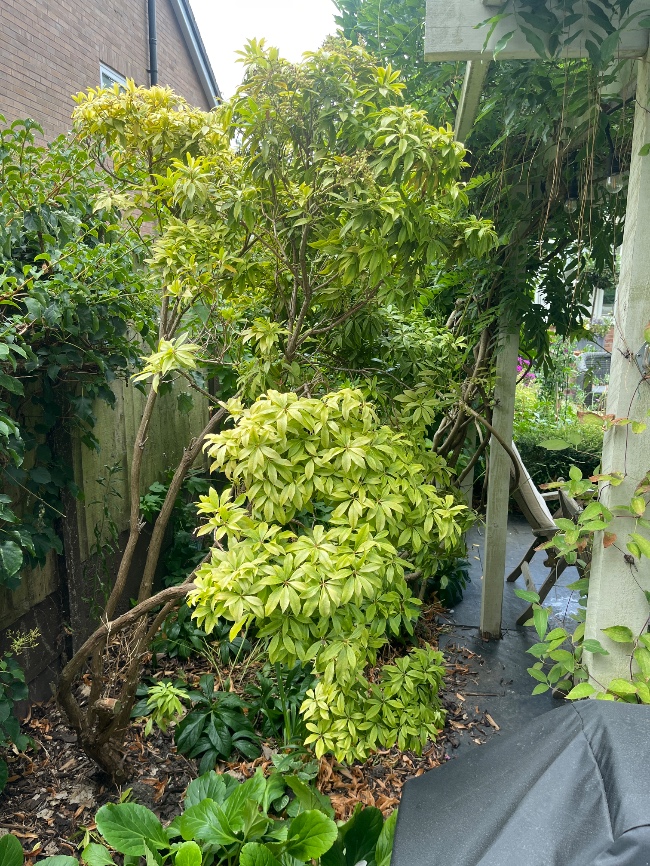
If you have a Pieris japonica—often referred to as a Lily of the Valley shrub—in your garden, you know how stunning they can be. Known for their cascading clusters of bell-shaped flowers and vibrant, fiery-red new foliage in the spring, these evergreen beauties are garden staples. However, when a Pieris begins to look unwell, it is often a cry for help regarding the soil conditions. If your shrub is failing to thrive, lacking its signature red foliage, or appearing yellow and stunted, it is likely struggling with the pH level of your garden soil.
The Critical Link Between pH and Pieris Health
The most important factor in keeping a Pieris happy is acidity. These plants are true calcifuges, meaning they thrive in acidic, lime-free soil. If your soil is too alkaline, the plant cannot absorb essential nutrients, particularly iron. This leads to a condition known as chlorosis, where leaves turn yellow while the veins remain green. Without correcting the soil environment, even the best fertilizer won’t fix the underlying problem.
Step-by-Step Care for Your Ailing Pieris
If your Pieris looks particularly unwell, follow this strategic recovery plan to restore its health and encourage that signature spring color.
1. Correcting the pH with Iron Sulfate
The first step in your rescue mission is to address the soil pH. To bring the acidity down, Iron Sulfate is the gold standard. It works by neutralizing the alkalinity in the soil while providing a direct boost of iron to the root system. Follow the product packaging instructions carefully, as over-application can burn the roots. Apply the treatment to the soil around the drip line of the shrub, not just at the base of the stem.
2. Providing Balanced Nutrition
Once you have begun the process of lowering the pH, you need to provide the plant with accessible energy. We recommend a two-pronged approach for recovery:
- Liquid Miracle-Gro: This provides a quick, balanced dose of nitrogen, phosphorus, and potassium, which are essential for general plant vigor and leaf development.
- Liquid Tomato Feed: Interestingly, many tomato fertilizers are slightly acidic and high in potassium, which helps stimulate flowering and strengthen plant tissues. When combined with the Miracle-Gro, it provides a gentle, well-rounded nutrient boost that the plant can absorb quickly through its roots.
Maintaining Long-Term Soil Health
Feeding the plant once is a great start, but maintaining an acidic environment is a year-round commitment. To ensure your Pieris thrives for years to come, consider the following maintenance tips:
- Mulching with Organic Material: Every autumn, apply a thick layer of ericaceous compost, pine needles, or leaf mold around the base of the shrub. As these materials decompose, they naturally maintain the acidity of the topsoil.
- Avoid Tap Water in Hard Water Areas: If you live in an area with hard (alkaline) tap water, frequent watering can slowly raise the pH around your shrub. Whenever possible, use harvested rainwater to irrigate your Pieris.
- Consistent Monitoring: Keep an eye on the foliage. If the new growth in the spring isn’t that iconic, glossy red, take it as a sign that your soil pH is beginning to creep back up toward the neutral mark.
By taking these steps to acidify your soil and providing the right nutrient boost, you can turn a struggling Pieris around. With a little patience and attention, you will see your shrub return to its former glory, complete with the lush, fiery foliage that makes it a standout in any landscape.