How to Grow Melons Successfully (Outdoors & in a Glasshouse)
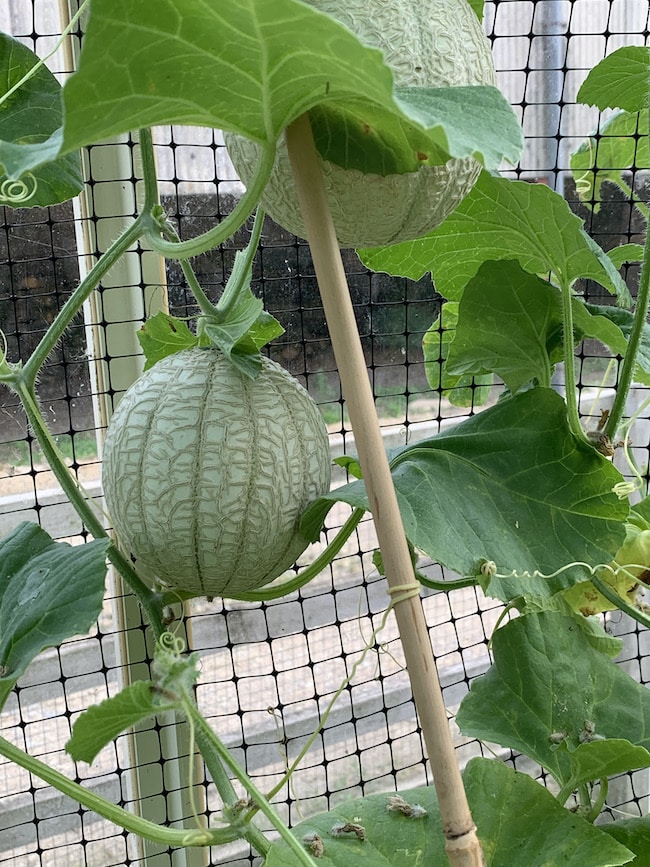
Growing melons such as cantaloupe, honeydew, and watermelon is extremely rewarding. With the right warmth, sunshine, and soil, even UK gardeners can enjoy sweet, home-grown fruit. Melons are heat-loving plants, so careful timing and good growing conditions are essential.
Below is a practical, step-by-step guide to growing melons successfully, including advice for glasshouse cultivation, which is often the most reliable option in cooler climates.
Best Conditions for Growing Melons
Melons need warmth and light to thrive.
- Sun: Full sun is essential – at least 6–8 hours per day
- Temperature: Soil should be above 18°C (65°F) before planting
- Shelter: A sheltered site improves growth and fruit set
- Soil: Fertile, free-draining soil that retains moisture
Sowing Melon Seeds
When to Sow
- Indoors: Start seeds 3–4 weeks before the last expected frost
- Outdoors: Sow only once all frost risk has passed and the soil has warmed
How to Sow
- Sow seeds 1–2 cm (½–1 inch) deep
- Plant seeds on their edge to reduce the risk of rotting
- Use pots or modules filled with good-quality compost
- Keep warm at 21–27°C (70–80°F) for reliable germination
Transplant seedlings once they have 2–3 true leaves, hardening them off gradually before moving them outdoors or into a glasshouse.
Soil Preparation
Melons are hungry plants and need rich soil.
- Dig in plenty of well-rotted manure or garden compost
- Raised beds or planting mounds improve drainage and soil warmth
- Ensure soil holds moisture but does not become waterlogged
Watering & Feeding
- Water deeply and regularly, especially during flowering and fruiting
- Avoid wetting leaves to reduce disease risk
- Feed weekly with a high-potash fertiliser once flowers appear
- Reduce watering slightly as fruits ripen to improve sweetness
Pollination & Fruit Set
Melons produce male and female flowers.
- Female flowers have a small swelling behind them
- In cool weather or where insects are scarce, hand pollinate using a soft brush or by transferring pollen from a male flower
Supporting & Caring for Fruits
- Allow 3–5 fruits per plant for the best size and flavour
- Place straw, tiles, or wood beneath fruits to prevent rot
- Trailing varieties need space or support
- When grown vertically, support fruits with nets or fabric slings
Pruning Melon Plants
- Pinch out the growing tip after 4–5 leaves
- This encourages side shoots, which produce more female flowers and fruit
Harvesting Melons
Ripe melons usually:
- Smell sweet
- Feel slightly soft at the blossom end
- Detach easily from the vine
Harvest gently to avoid bruising.
Common Problems
- Lots of leaves, no fruit: Too much nitrogen or insufficient sunlight
- Powdery mildew: Improve airflow and remove affected leaves
- Small fruits: Too many fruits per plant or irregular watering
Growing Melons in a Glasshouse
Growing melons in a glasshouse (greenhouse) is one of the most reliable ways to achieve good results in the UK. The extra warmth, shelter, and control dramatically improve growth and fruit quality.
Benefits of Glasshouse Growing
- Extends the growing season from early spring to late autumn
- Protects plants from wind, heavy rain, and cold nights
- Ideal for heat-loving crops such as melons, tomatoes, and cucumbers
- Allows better control of temperature, humidity, and pests
Setting Up Your Glasshouse
A stable base is essential. A 100mm concrete base with a timber frame, slightly sloped for drainage, works extremely well.
Full guidance here:
https://gardenadvice.co.uk/gardening-tips/glasshouse-base/
Position your glasshouse:
- In full sun, ideally facing south or southeast
- In a sheltered location
- With easy access to water (and electricity if possible)
Temperature Control
Glasshouses can overheat quickly, especially in summer.
Cooling methods include:
- Roof vents and open doors
- Damping down paths to increase humidity
- Natural shading from vines or foliage
- External shade blinds
- Avoiding overcrowding to improve airflow
More cooling tips:
https://gardenadvice.co.uk/gardening-tips/how-to-keep-you-glasshouse-cool/
Watering & Humidity in a Glasshouse
- Water early in the day
- Keep compost consistently moist, not waterlogged
- Damping down floors helps deter red spider mite
- Capillary matting or trays help maintain even moisture
Feeding Glasshouse Melons
- Start feeding once flowering begins
- Use high-potash feeds
- Avoid excess nitrogen, which causes leafy growth but poor fruiting
Pollination Indoors
- Open doors and vents on warm days
- Gently shake flowering plants
- Hand-pollinate if necessary
Hygiene & Pest Control
- Clean glass annually to maximise light
- Remove dead or diseased leaves promptly
- Watch for aphids, whitefly, and red spider mite
- Good airflow helps prevent fungal diseases
Melons reward patience and attention. Whether grown outdoors in a warm summer or under glass for more reliable results, good soil, consistent watering, and plenty of sunshine are the keys to a successful harvest.