Maximizing Plant Growth: The Benefits of Using Heated Propagators for Seeds and Cuttings
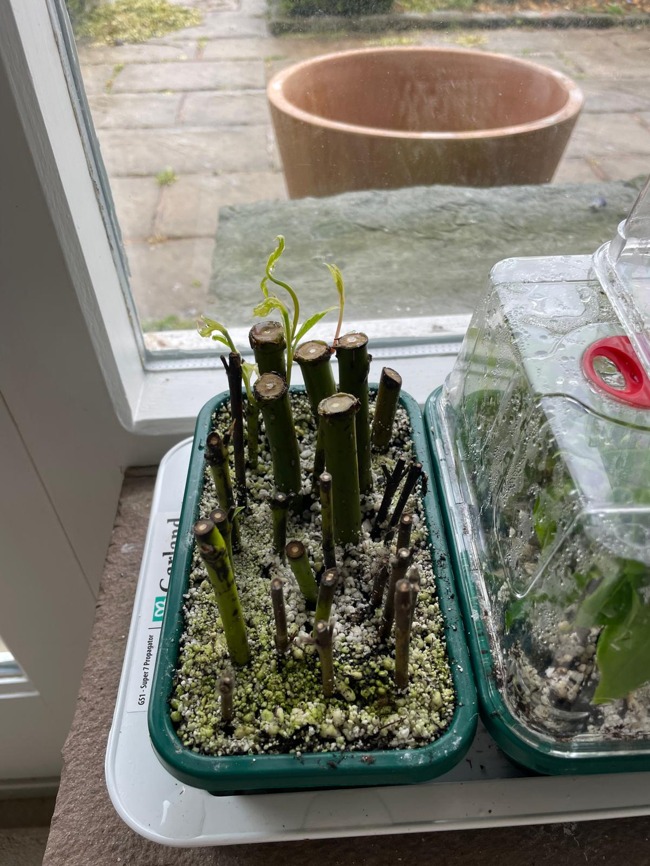
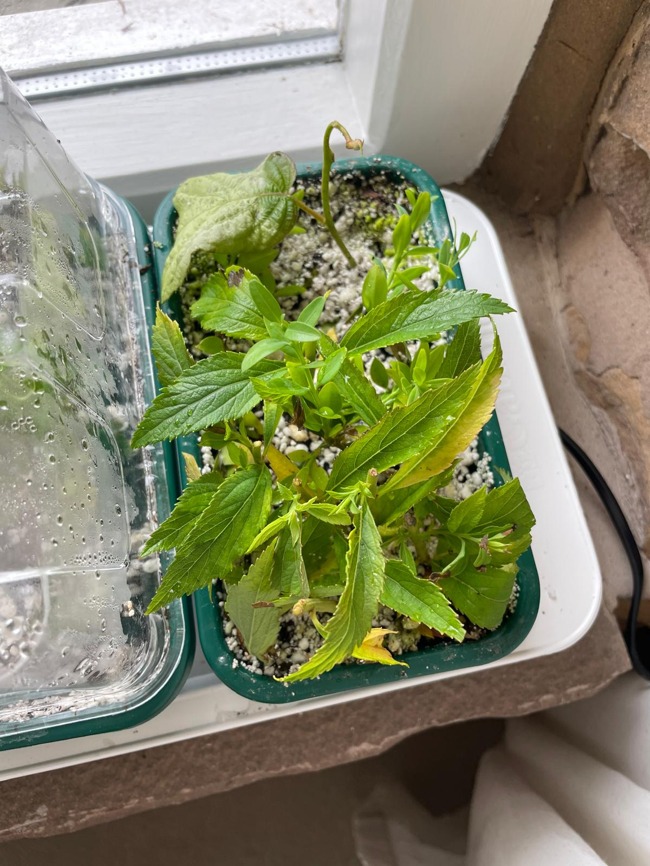
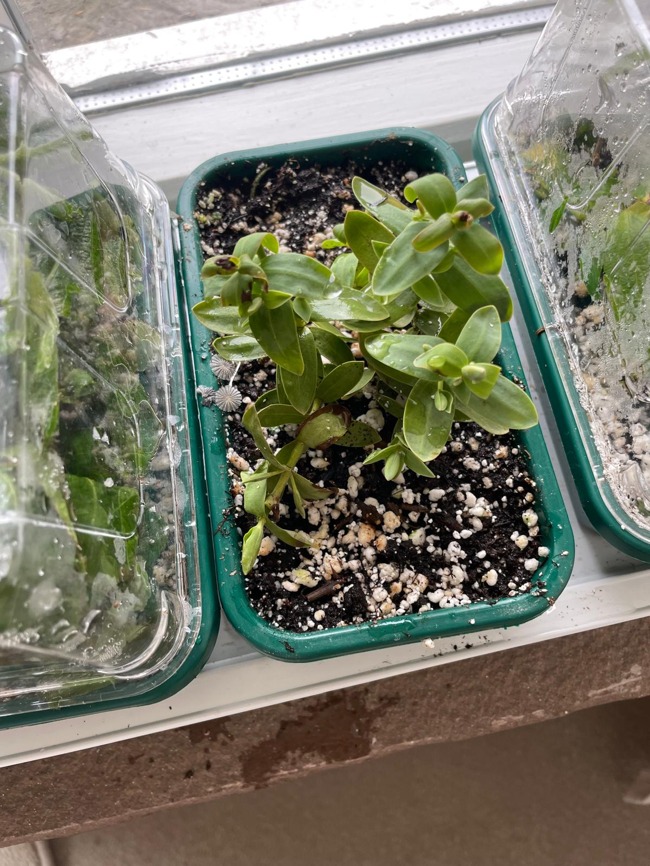
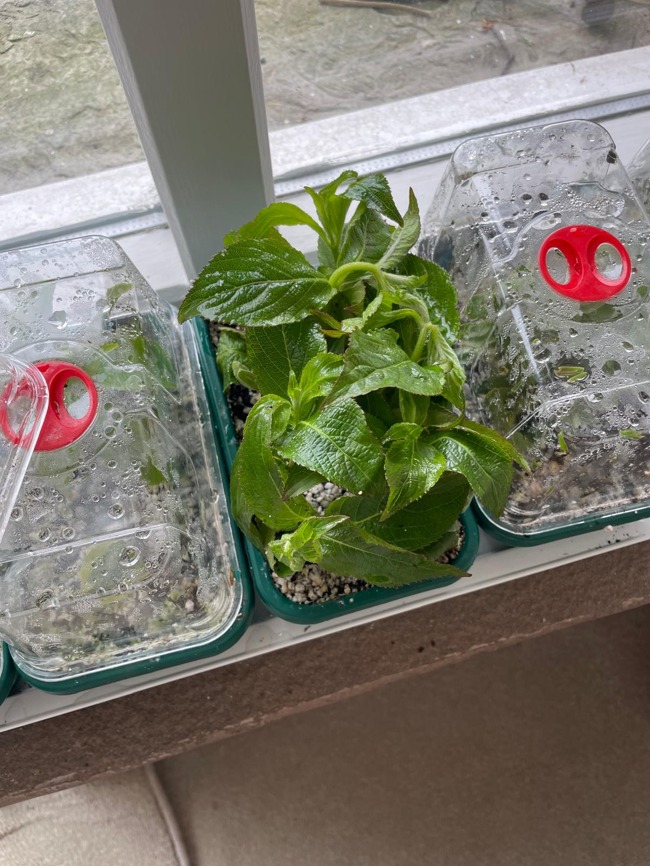
GardenAdvice Client using heated propogator
Using Heated Propagators for Seeds and Cuttings
Heated propagators are among the most beneficial tools for nurturing seeds and rooting cuttings, especially during cooler months. They create a warm, protective environment that fosters faster germination, quicker root development, and helps maintain humidity around young plants.
What Are Heated Propagators Suitable For?
- Germinating seeds
- Rooting softwood cuttings
- Rooting semi-ripe cuttings
- Rooting hardwood cuttings
- Root cuttings
- Propagating tender plants and houseplants
Examples include everything from dahlia cuttings and bedding plants to woody shrubs such as Cornus (dogwood).
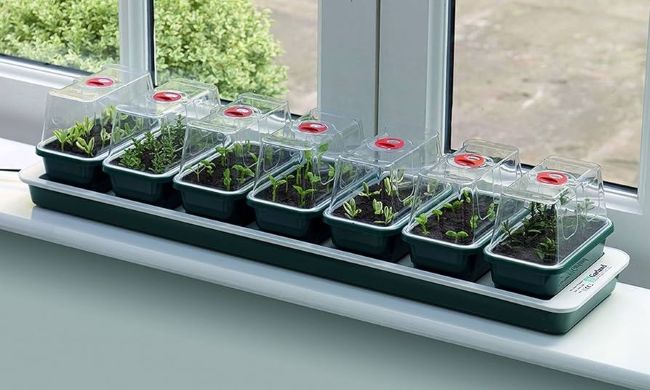
How Heated Propagators Work
Most heated propagators utilize electric power and feature a warming element beneath the seed trays or pots, similar to a low-level electric blanket but safely enclosed within a waterproof plastic tray. This gentle warmth heats the compost from below, leading to:
- Faster seed germination
- Quicker root production
- Improved propagation success
- Earlier sowing during spring
It’s important to note that most standard propagators are not thermostatically controlled, which can lead to overheating if left on continuously.
Managing Temperature and Moisture Levels
To avoid issues from continuous heating, follow these recommendations:
- Switch the propagators on during the day.
- Switch them off at night.
- Consider using a simple plug-in timer to automate the heating cycle.
This approach helps maintain a more balanced growing environment, preventing excessive drying and overheating.
Choosing the Right Compost
Using the correct compost mix is crucial for successful propagation. A typical propagating mix could consist of:
- Approximately 50% standard seed or potting compost, such as John Innes No. 1
- Approximately 50% perlite or vermiculite
The incorporation of perlite or vermiculite improves drainage, air movement, root development, and resistance to rotting.
Before filling trays or pots, ensure the compost is thoroughly wetted, as dry compost can be hard to moisten evenly. After filling:
- Soak the compost thoroughly.
- Allow excess water to drain away fully.
The compost should feel moist but never waterlogged.
Sowing Seeds and Inserting Cuttings
Seeds can be sown in the usual manner using the lighter propagating compost mix. Various cuttings, including softwood, semi-ripe, hardwood, and root cuttings, can also be rooted in heated propagators:
- Water the seeds or cuttings thoroughly after placement.
- Allow any excess water to drain away.
- Position the trays onto the heated base of the propagator.
Maintaining Humidity
A critical factor for successful propagation is maintaining humidity. Ideally, heated propagators should come with:
- A clear plastic cover
- A Perspex lid
As the compost warms, moisture evaporates, and the clear lid traps this moisture, creating a humid atmosphere essential for seedlings and cuttings, especially as newly inserted cuttings lack roots to replace moisture lost through their leaves.
Watering and Ongoing Care
Regular watering is important since the heated base tends to dry the compost. A good routine includes:
- Removing the trays approximately once a week.
- Giving them a thorough soak.
- Ensuring proper drainage before returning trays to the heated base.
- Replacing the clear lid to maintain humidity.
The compost should remain evenly moist, avoiding saturation.
Preventing Disease
While warm, humid conditions are beneficial for propagation, they can also foster fungal and bacterial diseases if hygiene standards fall. Check trays regularly for:
- Damping off disease
- Rotting cuttings
- Fungal molds
If infected seedlings or cuttings are found, remove and dispose of them immediately to prevent the spread of infection.
Hygiene and Cleaning
Good hygiene is crucial when propagating plants. If reusing trays, pots, or containers:
- Wash them thoroughly with a mild disinfectant.
- Remove old compost and debris completely.
Using fresh compost helps minimize the risk of fungal spores, harmful bacteria, and pests.
Positioning the Propagator
Positioning is key for successful propagation. Place the propagator:
- In a bright spot with good natural light.
- Away from intense direct sunlight to avoid overheating.
In a greenhouse, provide shade during sunny periods to protect your plants.
When to Remove Seedlings and Cuttings
Once seedlings have developed their first pair of seed leaves, it’s best to remove them from the heated propagator to prevent weakening and leggy growth. For cuttings, rooting times can vary significantly, so monitor them closely.
Rooting Hormone Powders vs. Environmental Conditions
While hormone rooting powders have been traditionally used to encourage root formation, optimal propagation conditions—warmth, humidity, hygiene, and healthy parent material—often yield far better results than chemical aids.
Conclusion
Heated propagators are invaluable for gardeners eager to maximize plant production, especially in less-than-ideal conditions. By understanding their operation and maintaining proper care, you can ensure successful propagation of your favorite plants.