Lemon Tree – Feeding An Indoor Lemon Tree.
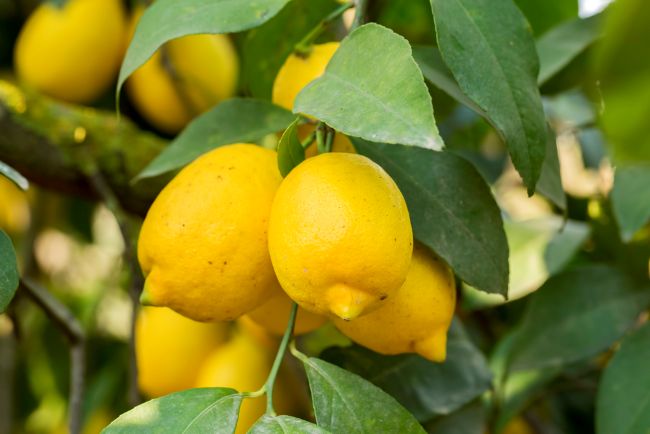

Indoor lemon trees can be both decorative and productive, but they need consistent care to stay healthy and produce fruit. Follow these simple tips to keep your plant thriving year-round:
Feeding
-
Use a balanced citrus fertiliser or liquid tomato feed every 2–3 weeks from spring to early autumn.
-
Reduce feeding to once a month in late autumn and winter when the plant’s growth slows.
-
Always water before feeding to prevent root burn.
-
Flush the pot with plain water every 2–3 months to clear any salt build-up from fertilisers.
Watering and Drainage
-
Ensure good drainage — never let the pot stand in water.
-
Use a saucer or tray only if it allows excess water to drain freely.
Light and Temperature
-
Place in a bright spot, ideally near a south- or west-facing window.
-
Supplement with LED grow lights during the darker winter months if natural light is low.
-
Maintain temperatures between 18–24 °C during the day and protect the plant from cold draughts.
Humidity and Air Circulation
-
Increase humidity by misting the foliage or standing the pot on a tray filled with water and pebbles (ensure the pot is above the water line).
-
Rotate the plant weekly to encourage even growth on all sides.
Pruning
-
Prune lightly after the main spring growth to keep a tidy shape and encourage the growth of fruiting wood.
With the right routine and conditions, your indoor lemon tree can produce fragrant blossoms and fresh lemons — even in the UK climate.
Indoor lemon trees can be both decorative and productive, but they need consistent care to stay healthy and produce fruit. Follow these simple tips to keep your plant thriving year-round:
For more detailed guidance and hands‑on tuition on lemon trees and other indoor plants, explore our GardenAdvice Gardening Courses
1. How often should I feed an indoor lemon tree?
From spring to early autumn (March–September), feed your lemon tree every 2–3 weeks using a citrus fertiliser or liquid tomato feed. During late autumn and winter, growth slows, so reduce feeding to once a month. Always water before feeding and flush the compost with plain water every few months to prevent fertiliser salt build‑up.
More detail here:
 https://gardenadvice.co.uk/gardening-tips/lemon-tree-feeding-an-indoor-lemon-tree/
2. Where is the best place to position an indoor lemon tree?
Lemon trees need bright light, ideally near a south‑ or west‑facing window. Smaller plants do well on windowsills, while larger trees prefer a conservatory or greenhouse. In winter, supplementary LED grow lights can help if light levels are low. Avoid sudden changes in light to prevent leaf drop.
3. How much water does an indoor lemon tree need?
Watering depends on the season.
- Winter: Water sparingly, keeping compost just moist
- Spring & summer: Increase watering as growth resumes
In warm, sunny conservatories, daily watering may be needed, while cloudy winter conditions require far less. Ensure the pot drains freely and never allow it to sit in water, as this can cause root disease.
4. What temperature and humidity do lemon trees prefer indoors?
Lemon trees thrive at 18–24°C during the day but prefer cooler conditions in winter. They can tolerate temperatures down to 4°C (briefly 2°C) but must be protected from frost. Ideal humidity is around 50%, which can be maintained by misting, using a pebble tray, or running a humidifier—especially in centrally heated homes.
5. Why do lemon trees drop flowers or fail to fruit indoors?
Flower drop is commonly caused by insufficient feeding, inconsistent watering, low light, or dry air. Ensure regular feeding during the growing season, steady moisture (not waterlogged compost), good light, and adequate humidity. With the right care, flowers typically develop into fruit over 4–6 months.