Pruning A Wisteria
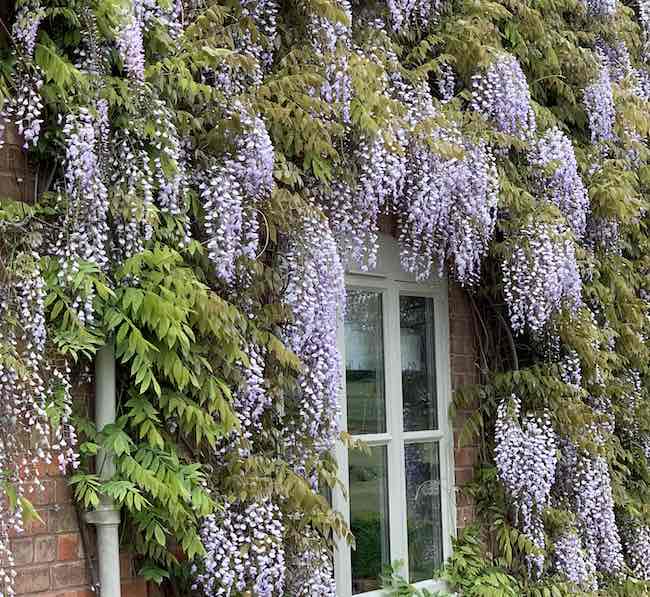
How to Prune Wisteria in Late Winter
This is the second stage of pruning (after the summer prune in August).
Step 1: Find last summer’s pruned shoots
You should see short side shoots that were cut back in summer to about 30cm (12 inches).
Now:
 Cut those same shoots back again
Reduce them to 2–3 buds from the main branch
That’s roughly 2.5–5cm (1–2 inches) long.
You’ll notice:
- Fat, rounded buds = flower buds

- Slim, pointed buds = leaf growth
Always cut just above a bud.
More detailed guide here:
https://gardenadvice.co.uk/gardening-tips/pruning-a-wisteria/
Step 2: Remove long, whippy growth
If any long shoots grew after your summer prune:
- Cut them back to 5–6 buds from the main branch
- Make the cut just above a bud
This keeps the plant tidy and encourages spur formation (where flowers develop).
Step 3: Remove unwanted growth
- Any shoots growing away from the wall or support
- Dead, damaged or crossing stems
- Growth around windows, gutters or rooflines
Be firm — wisteria responds well to confident pruning.
Why This Works
Wisteria flowers on short spurs formed on older wood.
Winter pruning concentrates the plant’s energy into those spurs instead of long leafy growth.
Think of it like pruning a fruit tree — you’re building a flowering framework.
Extra February Tip
If your wisteria hasn’t flowered well before:
- Avoid high‑nitrogen fertilisers
- Apply a liquid tomato feed (high potash) in spring
- Make sure it isn’t being overwatered
If flowering has been poor in previous years, this guide may help:
https://gardenadvice.co.uk/gardening-tips/non-flowering-wisteria/
A couple of questions to consider:
- Is your wisteria growing on a wall, pergola or free-standing tree form?
- Is it well established (over 5 years old), or younger?
- Has it flowered well in previous years?
With that information, With this information Helene the GardenAdvice AI app will be able to provide you with more expert gardening advice and guide you on exactly how hard you can prune it