GardenAdvice Gardening Calendar – First Week of June 2026
As we move into June, gardens are entering one of their busiest and most rewarding periods. The soil is warm, plants are growing rapidly, vegetables are producing harvests, and many spring-flowering shrubs have finished flowering and are ready for pruning.
This week’s GardenAdvice Calendar is based on the questions, projects and advice we have been providing to GardenAdvice members over the last seven days, covering propagation, flower sowing, vegetable growing, wildlife gardening, lawn care and seasonal pruning.
1. Create New Plants by Layering
June is one of the best times of year to propagate many shrubs by layering. This simple technique allows you to create new plants from existing shrubs without specialist equipment.
Suitable plants include:
- Camellias
- Rhododendrons
- Magnolias
- Hydrangeas
- Viburnums
- Forsythia
- Ceanothus
Choose a low-growing stem, gently wound the underside, pin it into the soil and cover with compost. Roots will often develop over the coming months and the new plant can usually be separated from the parent next spring.
Read more:
👉 https://gardenadvice.co.uk/gardening-tips/how-to-create-new-plants-with-layering/
2. Sow Cut Flowers for Summer Colour
Now is an excellent time to sow flowers that will provide colour throughout summer and fresh flowers for the house.
Good choices include:
- Calendula
- Cosmos
- Cornflowers
- Nigella
- Sunflowers
- Night-Scented Stock
Sow in pots using John Innes Seed Compost or directly into prepared flower borders.
Read more:
👉 https://gardenadvice.co.uk/gardening-tips/cut-flowers-from-seed-for-your-garden/
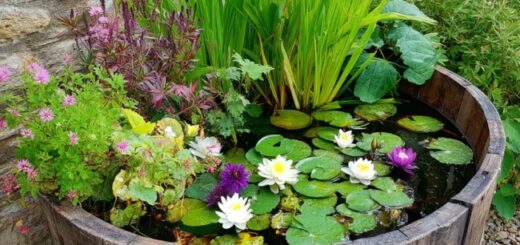
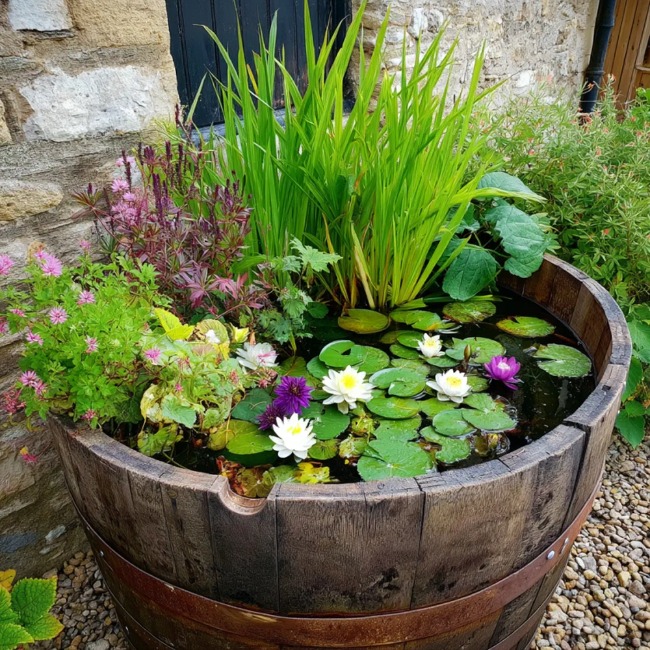
3. Create a Half Barrel Water Feature
A simple half-barrel pond is one of the easiest ways to attract wildlife into your garden.
A small water feature can provide:
- Drinking water for birds
- Habitat for frogs and toads
- Water for pollinating insects
- Interest and movement in the garden
Even a small barrel pond can quickly become a valuable wildlife habitat.
Read more:
👉 https://gardenadvice.co.uk/gardening-tips/half-barrel-water-feature-in-your-garden/
4. Keep Newly Sown Grass Seed Moist
Many gardeners have been sowing new lawns recently.
The key to successful germination is keeping the seed consistently moist for the first 14–21 days.
Important points:
- Do not allow the seed bed to dry out.
- Ensure the seed has good contact with a firm soil surface.
- Water little and often during dry weather.
- Once the grass reaches approximately 25mm high, gentle rolling or light treading can encourage tillering, helping create a thicker lawn.
5. Keep Your Vegetable Garden Productive
As crops are harvested, immediately sow replacements to maintain a continuous supply of vegetables through summer.
Suitable crops to sow now include:
- Lettuce
- Radish
- Beetroot
- Perpetual spinach
- Salad leaves
- Peas
Many of these crops can be ready to harvest within six weeks at this time of year.
6. Watch for Seasonal Pests
Several common pests are becoming active during June.
Carrot Root Fly
Install barrier netting around carrots before thinning seedlings. Carrot root fly is a poor flier and simple barriers can be very effective.
Cabbage White Butterflies
Protect brassicas with insect netting before egg-laying begins.
Slugs
Continue monitoring young plants and use biological controls where required.
Vine Weevil
Check container-grown plants regularly for signs of damage.
Early action often prevents major problems later in the season.
7. Feed Fast-Growing Plants
Plants are growing rapidly now and many will benefit from additional feeding.
For leafy growth:
- Use a high-nitrogen fertiliser such as Miracle-Gro on hungry plants until the end of July.
For flowering and fruiting plants:
- Tomatoes
- Peppers
- Courgettes
- Dahlias
- Hanging baskets
Switch to a high-potash tomato fertiliser once flower buds begin to develop.
Container plants may require feeding every one to two weeks throughout the summer.
8. Create a Fragrant Summer Patio for Less Than £10
One of our favourite projects this week is growing Night-Scented Stock and Calendula in pots.
Night-Scented Stock (Matthiola bicornis)
Produces an extraordinary fragrance on warm summer evenings, making it ideal for patios and seating areas.
Calendula
Provides bright summer colour, attracts pollinators, supports beneficial insects such as ladybirds and can help make patios more comfortable during summer evenings.
Both can be grown easily in terracotta pots using John Innes compost and cost less than £10 to establish.
9. Deadhead Flowers Regularly
Removing spent flowers helps many plants continue blooming throughout summer.
Particularly important for:
- Roses
- Calendula
- Sweet peas
- Pansies
- Bedding plants
Regular deadheading improves appearance and encourages more flowers.
10. Prune Spring-Flowering Shrubs
Many spring-flowering shrubs have now finished flowering and should be pruned during June.
Pruning now allows plants to produce the new shoots that will carry next year’s flowers.
Suitable shrubs include:
- Lilac (Syringa)
- Weigela
- Ceanothus
- Forsythia
- Philadelphus
- Deutzia
- Kerria
- Spring-flowering Spiraea
General Method
Remove approximately one-third of the oldest stems at ground level and lightly shorten flowered shoots where necessary.
Ceanothus
Only prune lightly and avoid cutting into old woody stems.
Lilac
Remove spent flower heads and thin out older stems to encourage strong young growth.
Pruning later in the year can remove next year’s flower buds, so now is the ideal time.
11. Learn More About Your Garden
June is also an excellent time to improve your gardening knowledge.
The GardenAdvice One-Day Gardening Course takes place in your own garden and is tailored to your plants, soil and gardening interests.
Topics can include:
- Plant identification
- Soil improvement
- Pruning
- Vegetable growing
- Garden planning
- Seasonal maintenance
Every course includes 12 months’ access to MyGardenTeam and Elena AI, your personal gardening assistant.
Find out more:
👉 https://gardenadvice.co.uk/blog/gardening-course-in-your-own-garden/
This Week’s Quick Gardening Checklist
✅ Create new plants by layering shrubs
✅ Sow Calendula, Cosmos and Night-Scented Stock
✅ Create a half-barrel wildlife pond
✅ Keep newly sown grass seed moist
✅ Sow replacement salad and vegetable crops
✅ Install netting around carrots and brassicas
✅ Feed fast-growing plants and containers
✅ Deadhead roses and bedding plants
✅ Prune spring-flowering shrubs such as Lilac, Weigela and Ceanothus
✅ Monitor for slugs, vine weevil and cabbage white butterflies
✅ Create a fragrant patio project for summer evenings
✅ Learn more about your garden with a GardenAdvice gardening course
GardenAdvice Tip of the Week
“June is the month when gardens reward effort. A little time spent sowing, feeding, pruning and propagating now will provide colour, fragrance, vegetables and new plants throughout the rest of the summer.”
For more seasonal gardening advice visit:
👉 https://gardenadvice.co.uk/blog/gardenadvice-calendars-your-gardening-year-made-simple/
Helping You Learn, Create and Enjoy Your Garden. 🌱