GardenAdvice gardening calendar third week in November 2026

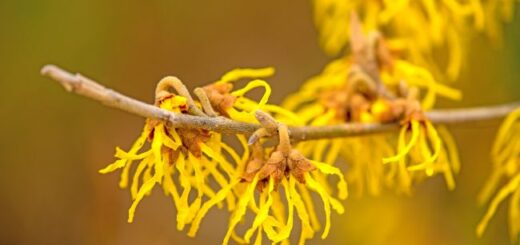
Hamamelis mollis Witch Hazel
The week beginning 16 November is a useful time to complete tulip planting, protect tender plants and use fallen leaves productively. Short days, colder nights and wet ground mean that small, well-timed jobs are often better than a major clearance. Keep checking plants under cover as carefully as those outdoors.
This week’s weather rule: work with the soil and forecast, not just the calendar. Postpone planting, digging and lawn work when the ground is frozen, saturated or easily compacted. Avoid spraying in frost, rain or strong wind, and protect tender plants before a damaging frost. Check pots beneath eaves because they can remain unexpectedly dry even in wet weather.
Priority jobs this week
- Plant tulips and any remaining sound spring bulbs in free-draining soil or pots.
- Bring suitable tender bedding plants indoors before frost and check them for pests.
- Collect sound deciduous leaves for leaf mould and clear slippery paths.
- Mulch one manageable section of border without walking over saturated soil.
- Plant garlic and bare-root fruit only where the soil is workable and drains freely.
- Clear leaves from lawns and ponds, while retaining undisturbed wildlife shelter elsewhere.
Plants, bulbs and winter colour
Complete tulip planting
November remains a good planting period for tulips. Follow the depth and spacing on the packet, choose a position that will not remain waterlogged and label the group. In containers, use a pot with clear drainage holes and leave room below the rim for watering. Bulbs that flower at different times can be layered in a sufficiently deep container. See GardenAdvice’s guide to planting bulbs in containers.
Bring suitable bedding plants indoors
Healthy pelargoniums, Busy Lizzies and fibrous or wax begonias can sometimes provide winter colour indoors if lifted or moved before frost. Remove dead or damaged leaves, inspect carefully for pests and pot compact plants into fresh, free-draining compost. Place them in bright, frost-free conditions away from cold draughts and hot radiators. Water thoroughly after potting, allow excess water to drain, then water more cautiously as growth slows.
Tuberous begonias need different treatment: after frost blackens the tops, lift and dry the tubers for dormant storage rather than expecting continued winter flowering. Do not bring diseased or heavily infested material indoors. GardenAdvice’s houseplant-care guide covers light, watering, temperature and humidity once plants are inside.
Protect outdoor plants without over-tidying
Move tender pots into frost-free shelter and wrap vulnerable large containers where they cannot be moved. Keep drainage holes open and raise pots slightly above wet paving. Leave sound seed heads, ornamental grasses and hollow stems where they offer structure and wildlife shelter. Avoid routine autumn pruning of spring-flowering shrubs, which may remove next year’s flowers.
Soil, compost and fallen leaves
Spread well-rotted garden compost over weeded soil as a surface mulch, keeping it clear of trunks, shrub stems and perennial crowns. Let worms and winter weather incorporate it. Avoid digging wet clay or repeatedly crossing saturated beds, which damages soil structure.
Rake sound deciduous leaves from lawns, paths and patios and use them to make leaf mould. Fill strong reused bags with damp leaves, make air and drainage holes, close loosely and leave them in a shady corner. Shredding speeds the process, especially for beech and oak leaves, which may need two years or more. Leaves, moisture, air and time are sufficient; routine lime or fertiliser is unnecessary. Follow the GardenAdvice guide to making leaf mould in bags.
Balance fresh green material in the main compost heap with dry leaves, shredded stems or torn plain cardboard. Exclude persistent weed roots and badly diseased plant material. A sour smell usually indicates that the heap is too wet or airless, so add dry material and turn it where practical.
Vegetable and fruit garden
- Garlic: plant certified, disease-free cloves pointed end upwards in fertile, free-draining ground. Avoid waterlogged or freshly manured soil. See the GardenAdvice garlic-growing guide.
- Broad beans: sow only hardy autumn varieties on mild, sheltered, well-drained sites. In cold, wet or exposed gardens, wait until spring.
- Bare-root fruit: plant trees, bushes and canes promptly after delivery if the ground is workable. Keep roots protected from drying wind, plant at the previous soil mark, firm gently and support trees against wind-rock.
- Winter crops: secure brassica netting against pigeons, support top-heavy Brussels sprouts and harvest leeks, kale and other established crops as required.
- Stored crops: inspect apples, pears, potatoes, onions and squashes each week and remove anything soft or rotting.
- Asparagus: cut down the fern only after it has naturally turned yellow or brown, then weed carefully without damaging the crowns.
Lawns
Remove fallen leaves before they form a dense, wet layer that excludes light and encourages disease. Mow only if the grass is still growing, the surface is firm and the foliage is dry enough to cut cleanly; use a higher setting. Avoid routine feeding, scarifying and overseeding now. Keep off frozen or saturated turf, and leave major repair work until suitable spring conditions. Read GardenAdvice’s advice on autumn leaves on the lawn.
Ponds and wildlife
- Skim fallen leaves before they sink, checking removed material for small creatures before composting it.
- Use pond netting only if it is secure and cannot trap birds, amphibians or hedgehogs.
- If blanket weed remains, twist small amounts gently around a cane and leave it beside the pond briefly so wildlife can return to the water. See GardenAdvice’s guide to controlling blanket weed.
- Avoid draining or thoroughly clearing a wildlife pond as the water cools. Retain healthy vegetation and minimise disturbance of bottom sediment.
Pest, disease and pruning checks
- Collect rose leaves affected by black spot or rust and dispose of them rather than adding them to a cool compost heap.
- Inspect plants moved indoors for aphids, whitefly, scale insects and vine-weevil grubs. Isolate affected pots while deciding treatment.
- Check tree ties, stakes, climbing supports and hanging-basket brackets after windy weather.
- Look for slugs and snails around winter pots after mild, wet nights.
- Consider an approved winter wash only after deciduous fruit trees, bushes or roses are fully dormant and leafless, and where previous pest pressure justifies treatment. Choose a still, dry, frost-free period and follow the current label. Read GardenAdvice’s winter-wash guidance.
A gift for the gardener in your life
A GardenAdvice one-day gardening course gift certificate is a thoughtful present for a gardening partner who would value practical, personal guidance. The course normally takes place in the recipient’s own garden and is tailored to their garden, interests and experience. Topics can include planting, pruning, soil improvement and other skills that help them care for their own space with greater confidence. Read about the benefits of a GardenAdvice one-day gardening course gift certificate. Check the linked page for current options, price and terms before ordering.