GardenAdvice Gardening Calendar Third Week in February 2026
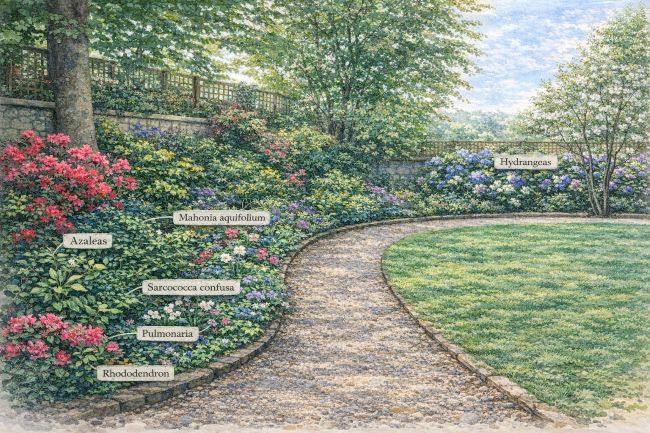
GardenAdvice MyGardenTeam member proposed border design spring 2026
As we move into the third week of February, spring is starting to make its presence felt. The days are lengthening noticeably, and the garden is stirring to life. This is a crucial transitional period when winter protection is still needed, but opportunities for early sowing and propagation are opening up. Here are your key tasks for this week.
Propagation & Plant Production
Hardwood Cuttings
As we move towards the end of February, many deciduous shrubs are ideal for hardwood cuttings. Plants such as weigela and philadelphus (mock orange) root well from firm, woody stems. Select pencil-thick stems from last year’s growth and cut into 20–25cm sections. Insert into pots of free-draining compost. A small windowsill propagator or mini propagator will significantly improve success rates.
Sweet Peas
Continue sowing sweet peas indoors on a bright windowsill using deep pots or root trainers. Once established, pinch out the growing tips to encourage bushier growth and more flowering stems. Learn more about extending sweet pea flowering for continuous blooms.
Dahlias
Start dahlia tubers into pots in a frost-free place, keeping the compost just moist. This encourages earlier flowering and produces stronger plants later in the season. For detailed guidance, see our article on starting dahlias from tubers in January and February.
Fruit Tree Care
Training & Shaping
Continue training espalier and fan-trained fruit trees while trees remain dormant. Tie in new growth and adjust framework branches. Complete all shaping and structural pruning before the buds break. For specific advice on trained forms, read our guide on fan-trained cherry trees.
Pruning & Maintenance
Prune out any damaged, crossing, or diseased branches from fruit trees. It’s crucial to dispose of affected material properly – never compost infected wood. For comprehensive pruning advice, visit our apple tree care and pruning guide.
Beds & Borders
Feeding
Apply a balanced fertiliser such as Growmore at approximately one handful per square metre. Lightly fork into the soil surface if ground conditions allow.
Mulching
As borders are tidied following winter, apply a 5–8cm layer of organic mulch. This helps retain moisture, suppress weeds, and improve soil structure. Keep mulch clear of plant crowns and stems to prevent rot.
Vegetable Garden
Early Sowings Under Protection
Sow peas, early carrots, and parsnips under cloches (plastic or glass) or bell jars. Cloches help warm the soil and encourage earlier crops. Ensure protection from harsh weather while allowing ventilation on mild days.
Pest Monitoring
Slug Control
Mild weather means slugs may already be active. Sink a small container into the soil and fill with beer to act as a trap – this provides an early indication of slug activity levels. If traps are filling quickly and temperatures remain mild, consider applying biological controls such as nematodes. For comprehensive slug management strategies, read our guide on natural slug control with nematodes.
Want personalised gardening support? Our MyGardenTeam service provides one-to-one expert advice tailored to your garden throughout the year. Or join one of our One-Day Gardening Courses delivered at your home.
For more weekly gardening guidance, visit the GardenAdvice Gardening Calendar archive.