Extend Your Garden’s Flowering Season: The Power of Clematis with Shrubs
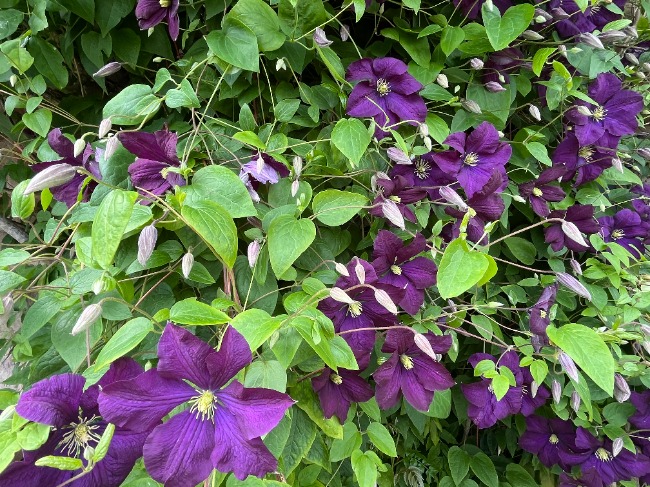
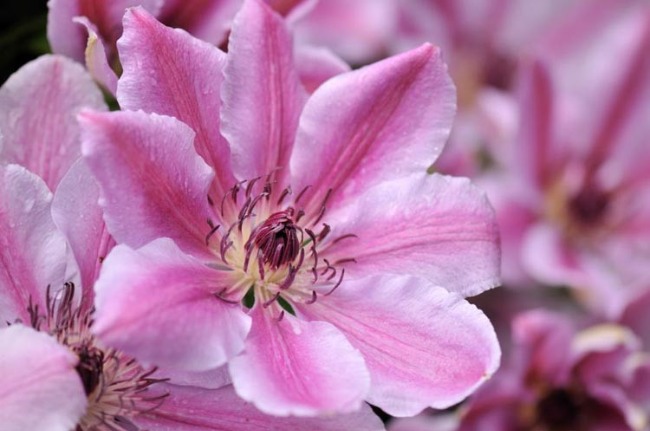
Clematis Jackmanii and Clematis Nelly Moser
Using Clematis to Extend the Flowering Season of Garden Shrubs
Many gardens rely on spring-flowering shrubs such as Philadelphus, Choisya, Viburnum, Weigela, and Laurel to provide structure and seasonal interest. These shrubs often produce a spectacular display of flowers during spring and early summer, but once flowering is over they can become little more than a backdrop of green foliage.
One of the simplest and most effective ways to extend the flowering season in your garden is to plant late-flowering clematis at the base of these shrubs and allow them to grow naturally through the branches.
This technique requires very little space, no additional support structures, and can transform an ordinary shrub border into a display that continues flowering well into late summer and autumn.
Why Grow Clematis Through Shrubs?
Many gardeners automatically think of growing clematis against walls, fences, or trellis. However, in nature, clematis are scrambling plants that often grow through other vegetation in search of sunlight.
By using established shrubs as a natural support system, you can create a second layer of flowering without taking up additional garden space.
The shrub provides structure and spring color, while the clematis offers a second display later in the season.
This works particularly well with:
- Philadelphus (Mock Orange)
- Choisya
- Viburnum
- Weigela
- Laurel
- Cotinus
- Escallonia
- Larger Hebes
- Mature Roses
The result is a much longer flowering season from the same planting area.
Choosing the Right Clematis
Not all clematis are suitable for growing through shrubs. The best varieties are those that die back each winter and produce fresh growth each spring.
Clematis ‘Jackmanii’
One of the most reliable and vigorous summer-flowering clematis, it produces masses of rich purple flowers from mid-summer onwards and looks particularly effective growing through evergreen shrubs.
Clematis ‘Nelly Moser’
A classic variety producing large pale pink flowers with a darker pink stripe through each petal. It adds brightness and elegance when grown through green foliage.
Because both varieties can be pruned back annually, they rarely become a problem for the shrub supporting them.
Avoid Overly Vigorous Varieties
Some clematis are simply too vigorous for this purpose. For example:
- Clematis montana
- Clematis armandii
Both produce large amounts of permanent growth and can eventually overwhelm smaller shrubs. These are best reserved for walls, fences, pergolas, and larger trees where they have plenty of room to grow.
How to Plant Clematis Through a Shrub
The ideal planting time is during autumn, winter, or early spring while the soil is moist and easy to work.
- Begin by selecting a planting position approximately 30 to 45 centimeters away from the main stem of the shrub. Planting too close can place the clematis roots in direct competition with the shrub.
- Dig a generous planting hole approximately twice the width of the pot.
- Before planting, improve the soil by mixing in:
- Garden compost
- Well-rotted manure
- Spent mushroom compost
- Organic soil improver
- Clematis enjoy fertile, moisture-retentive soil but dislike sitting in waterlogged conditions.
- Remove the plant from its pot and position it slightly deeper than it was growing in the container. As a general guide, bury the base of the stem around 5–8 centimeters below the surrounding soil level. Planting deeply encourages additional shoots to develop from below ground and helps the plant recover should the top growth ever become damaged.
- Backfill the hole, firm gently, and water thoroughly.
Keeping the Roots Cool
A traditional gardening saying for clematis is:
“Heads in the sun, feet in the shade.”
Clematis enjoy growing towards sunlight but prefer cool roots. This can be achieved by:
- Applying a mulch around the base
- Planting low-growing perennials nearby
- Placing a flat stone over the root area
- Using composted bark or well-rotted organic matter
Keeping the roots cool also helps retain moisture during hot weather.
Training the New Growth
During the first season, the young shoots will need a little help finding their way into the shrub. Simply guide the stems towards the nearest branches and loosely tie them if necessary. Once the tendrils begin wrapping themselves around twigs and branches, the plant will quickly find its own way.
After the first year, very little intervention is normally required. The clematis effectively uses the shrub as a living trellis.
Feeding and Watering
For the first growing season, regular watering is important, particularly during dry spells. Once established, clematis are surprisingly drought tolerant, although they perform best when watered during prolonged dry weather.
Feed in spring using:
- Growmore
- General-purpose fertiliser
Once flower buds begin forming, switching to a high-potash liquid tomato feed every few weeks can encourage a longer flowering display.
Annual Pruning
One reason Clematis ‘Jackmanii’ and ‘Nelly Moser’ work so well in shrubs is that they are easy to control. Each winter, remove the previous year’s growth according to the pruning requirements of the variety. The plant then produces fresh shoots from the base the following spring.
Unlike vigorous evergreen climbers, they do not create a permanent tangle of growth that can overwhelm the supporting shrub.
A Professional Garden Design Trick
Garden designers have used this technique for many years to add depth, color, and seasonal interest to established borders. A Philadelphus covered in scented white flowers during May can be transformed into a purple summer display with Clematis ‘Jackmanii’ only a few weeks later. Likewise, a mature Choisya or Laurel can become a colorful backdrop for large pink blooms from Clematis ‘Nelly Moser’.
For very little cost and effort, you can effectively create two flowering displays from one planting position, extending the season of interest and making much better use of the shrubs already growing in your garden.