Late May: Your Garden’s Critical Pest Patrol Season
Late May: A Prime Time for Garden Pests
If you’re nurturing your very own vegetable garden, late May is the moment to sharpen your eyes for pesky intruders. Think of your blossoming garden as an all-you-can-eat buffet, not just for you, but also for a variety of hungry critters like aphids, caterpillars, beetles, and more. As the temperatures rise and vegetation flourishes, pest populations can escalate rapidly.
The good news? Most common garden pests can be managed effectively if you catch them early and adopt a few simple preventative measures.
Watch Out for Vine Weevil
After integrating liberal amounts of compost, eco-compost, or well-aged manure into your soil, you may find yourself facing a challenge with vine weevil.
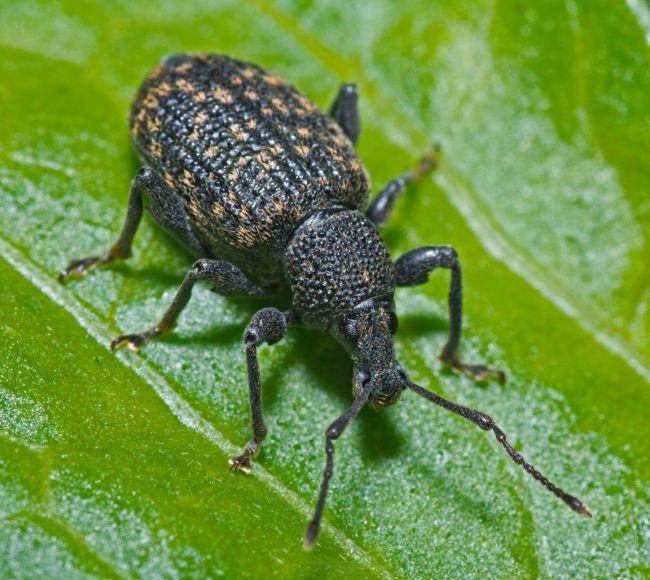
The adult beetles tend to emerge during the late spring to summer months, identifiable by the telltale notches they carve along leaf edges. While the adult beetles do some harm, it’s the larvae lurking in the soil that really pose a threat, as they feast on the roots of young plants, leading to potential plant demise.
Be vigilant for adult beetles, especially at night when they are on the move. Biological nematodes can effectively control these pests by targeting the larvae hidden beneath the soil, helping interrupt their lifecycle.
Keep an Eye on Carrot Root Fly
As your carrots begin to establish, signaling time for thinning, carrot root fly emerges as a key pest to monitor. Adult flies are drawn to the odors released when you disturb the carrot tops. Activities like thinning, harvesting, or weeding create an invitation for these flies.
The silver lining? Carrot root flies are not the best of fliers, generally hovering low to the ground. This characteristic makes them prime candidates for physical barriers. A simple layer of barrier netting or insect-proof mesh over your crop can effectively prevent these flies from accessing your precious carrots to lay eggs.
- For optimal results, ready your netting before disturbing your crop.
- Cover the carrots promptly post-thinning to drastically reduce the chance of maggot infestation later in the growing season.
Beware of Cabbage White Caterpillars
As we venture further into late May, cabbage white butterflies become increasingly active, hunting for suitable hosts to lay their eggs. Crops belonging to the Brassica family—including cabbage, kale, broccoli, cauliflower, and Brussels sprouts—are particularly susceptible.
The butterflies lay eggs on the undersides of leaves, and once the caterpillars hatch, they can decimate the foliage in no time. The best approach to combat this pest is also barrier netting. By enveloping your crops before the butterflies make their move, you can effectively stop them from laying eggs and minimize the impact of caterpillar damage later in the season.
Taming Aphids
Aphids often take the spotlight as one of the most common pests seen in vegetable gardens during late spring and early summer. While heavy infestations can stress and weaken plants, it’s often prudent to tolerate a small number, as these pests serve as a food source for numerous beneficial insects.
A terrific way to foster these natural predators is through companion planting. Seed in plants like nasturtiums and calendula around your vegetable beds to attract helpful insects, including ladybirds and hoverflies. Remember, ladybird larvae are particularly ravenous and can munch their way through hundreds of aphids as they develop.
Let the Birds Work for You
Another highly effective yet frequently overlooked pest control method is welcoming birds to your garden. By placing bird feeders nearby your vegetable patch, you can draw in insectivorous species such as blue tits, great tits, and finches. During the nesting season, these birds search tirelessly to collect insects for their young.
The growing chicks’ appetites are immense; the parent birds will spend considerable hours scavenging for aphids, caterpillars, and other soft-bodied pests. A thriving bird population can prove invaluable for pest management in your garden.
Prevention Is Key
Late May signifies a crucial period for monitoring garden pests. By routinely inspecting your crops, utilizing barrier netting where warranted, advocating for beneficial insects, and attracting insect-eating birds, many pest issues can be curtailed before escalating into major adversities.
Just a few minutes each week dedicated to inspecting your crops can save you significant time later in the season, contributing to healthy, bountiful vegetable harvests throughout the summer. With a dash of foresight and observation, your vegetable garden can thrive while nature helps manage pest populations effectively.