Hoggin Paths and Driveways: A Natural Alternative to Tarmac
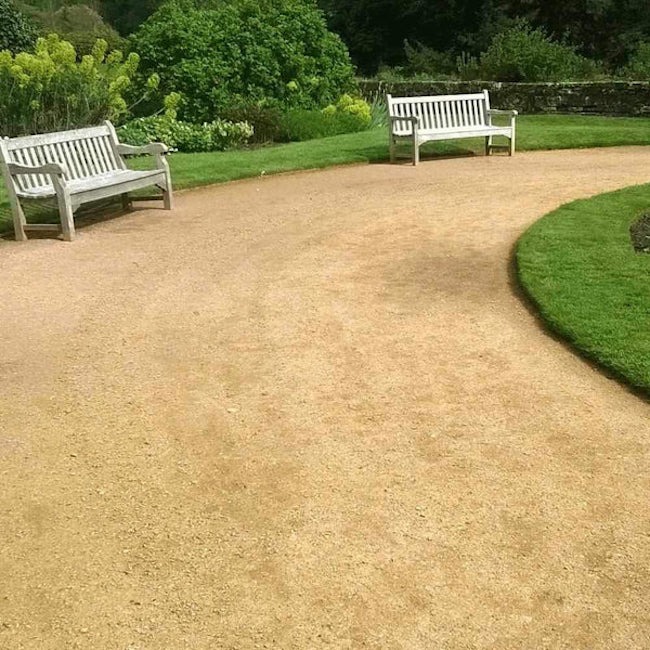
For hundreds of years, hoggin was the preferred surface for estate roads, parkland paths, farm tracks, and country driveways. Long before modern tarmac became common, hoggin provided a durable, attractive, and relatively inexpensive surface that blended naturally into the landscape.
Today, hoggin is enjoying a revival, particularly in gardens, parks, country properties, and heritage projects where a softer, more natural appearance is preferred over black tarmac or concrete.
What is Hoggin?
Hoggin is a naturally occurring mixture of gravel, sand, and clay. When compacted correctly with the right moisture content, the clay binds the finer particles together, creating a firm, stable surface while retaining a natural appearance.
Unlike loose gravel, a well-laid hoggin path feels solid underfoot and is much easier to walk, cycle, or push wheelbarrows across.
Where Can Hoggin Be Used?
Hoggin is ideal for:
- Garden paths
- Country driveways
- Estate roads
- Parkland walkways
- Courtyards
- Cycle routes
- Farm access tracks
- Heritage restoration projects
It works particularly well where a natural-looking surface is required.
Preparing the Base
One of the advantages of hoggin is that it can often be laid over an existing compacted stone base.
A suitable foundation would normally consist of:
- Well-compacted MOT Type 1 or crushed stone.
- A firm, level surface with good drainage.
- Any soft spots repaired before laying the hoggin.
The better the foundation, the longer the finished surface will last.
Laying the Hoggin
The hoggin should be spread evenly over the prepared stone base to the required depth, typically around 40–75 mm depending on the intended use.
The material should then be lightly watered if it is too dry. This is one of the most important stages of the installation.
The hoggin needs sufficient moisture for the clay particles to bind the material together during compaction. If it is too dry, it will remain loose and dusty. If it is too wet, it becomes difficult to compact and may move under the vibrating plate. A good guide is that the material should be damp throughout but not saturated.
Compacting the Surface
Once the moisture level is correct, compact the hoggin using a vibrating plate compactor (wacker plate). Several passes should be made over the entire surface until it becomes firm and well consolidated.
The vibrating plate compresses the sand, gravel, and clay together, producing a hard-wearing surface that is comfortable to walk on while still allowing a natural appearance.
If required, a small amount of additional water can be applied during compaction to help the clay bind fully.
Decorative Stone Finish
Many contractors choose to finish the surface with a light covering of approximately 10 mm decorative gravel. This can be used in two ways:
- Rolled into the surface during the final stages of compaction, where the stones become partially embedded while leaving an attractive textured finish.
- Left loose as a decorative dressing, giving the appearance of a gravel path while the hoggin beneath provides the structural strength.
This decorative layer can also improve traction and enhance the appearance of the finished driveway or pathway.
When Should Hoggin Be Installed?
Hoggin is normally one of the final operations on a landscaping project. This helps prevent construction traffic from disturbing the newly compacted surface.
Although a properly installed hoggin driveway is perfectly capable of supporting normal cars, vans, and the occasional delivery lorry, repeated use by heavy construction vehicles or regular HGV traffic can eventually rut or break down the surface. For this reason, it is best laid once the majority of building and landscaping work has been completed.
Advantages of Hoggin
- Natural appearance that blends into the landscape.
- More attractive than tarmac in gardens and rural settings.
- Less expensive than many paved surfaces.
- Comfortable to walk and cycle on.
- Suitable for wheelbarrows and garden equipment.
- Good drainage compared with solid paving.
- Easy to repair if damaged.
- Heritage-friendly for listed buildings and country estates.
Potential Problems
Like any natural surface, hoggin does require some maintenance. Possible issues include:
- Dust during prolonged dry weather if insufficient clay is present.
- Softening after periods of heavy rainfall if drainage is poor.
- Rutting where vehicles repeatedly follow the same track.
- Weed growth if wind-blown seeds establish on the surface.
- Surface erosion on steep slopes during heavy rain.
- Occasional topping up and re-compaction may be needed after several years of use.
Regular brushing, keeping drainage channels clear, and addressing minor depressions early will significantly extend the life of the surface.
Is Hoggin Right for Your Garden?
For many domestic gardens and country driveways, hoggin offers an excellent balance between appearance, cost, and durability. It provides a traditional finish that sits comfortably within both historic and contemporary landscapes while avoiding the harsh appearance of tarmac.
When installed on a properly prepared stone base, compacted with the correct moisture content using a vibrating plate compactor, and optionally finished with a decorative layer of 10 mm stone, hoggin can provide many years of reliable service with relatively little maintenance.
For homeowners looking for a practical, environmentally sympathetic surface for paths and driveways, hoggin remains one of the best traditional solutions available.