Pruning and Feeding Ceanothus (California Lilac)
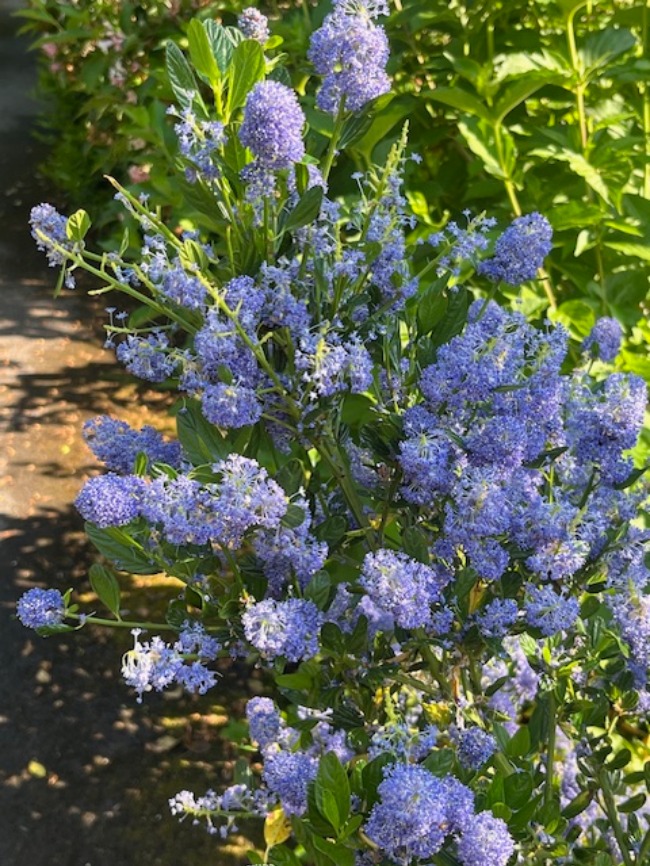
Ceanothus, commonly known as California Lilac, is one of the most spectacular flowering shrubs for the garden, producing masses of blue, purple, or white flowers in late spring and early summer. While often regarded as a low-maintenance shrub, the secret to keeping ceanothus healthy, flowering well, and extending its lifespan is a combination of correct pruning and regular feeding.
Many ceanothus plants gradually become woody and sparse with age, and it is common for them to lose one or two major stems during severe winter weather. However, with the right care, older plants can often be rejuvenated and encouraged to produce vigorous new growth from the base.
Why Pruning Ceanothus is Important
Pruning serves several important purposes:
- Encourages fresh flowering growth.
- Maintains a compact, attractive shape.
- Removes dead, damaged, or storm-damaged branches.
- Improves airflow through the shrub.
- Helps stimulate new shoots from the base of older plants.
- Extends the life of what is often considered a relatively short-lived shrub.
Unlike many shrubs, ceanothus responds best to regular light pruning rather than being left untouched for years.
When to Prune Ceanothus
The ideal time to prune ceanothus is immediately after flowering, usually from late spring to early summer.
Pruning at this stage allows the plant plenty of time to produce new growth, which will carry the following year’s flowers. Avoid pruning in autumn or winter, as this can leave the plant vulnerable to frost damage and may reduce flowering.
Feeding – Just as Important as Pruning
One of the most common reasons ceanothus decline is lack of feeding. Many gardeners assume they thrive without additional nutrients, but regular feeding can dramatically improve flowering, encourage new shoots, and help regenerate older plants.
After flowering and pruning, feed with:
High Potash Fertiliser
A high-potash feed such as liquid tomato fertiliser encourages strong flowering and healthy growth.
Apply every two to three weeks during the growing season from late spring through summer.
Magnesium Supplement
Ceanothus also benefits from additional magnesium, particularly on lighter or chalky soils.
You can use:
- Epsom Salts
- Vitax Superphosphate and Magnesium products (where appropriate)
Dissolve according to the manufacturer’s instructions and water around the root zone. Magnesium helps improve leaf colour, promotes healthy growth, and supports strong flowering.
Tools You’ll Need
- Pruning shears
- Loppers
- Bypass pruners
- Gardening gloves
- Disinfectant for cleaning tools
How to Prune Ceanothus
1. Inspect the Plant
Before pruning, check for:
- Dead branches
- Frost damage
- Broken stems
- Areas of overcrowded growth
It is quite normal for ceanothus to lose one or two entire stems following severe winter weather. These can simply be removed back to healthy growth or to the base of the plant.
2. Remove Dead and Damaged Growth
Cut out any dead, damaged, or diseased stems first.
Make clean cuts just above a healthy bud or side shoot.
3. Thin Out Older Growth
Remove some older stems where the shrub has become congested. This improves airflow and allows sunlight to reach the centre of the plant.
4. Shape the Shrub
Lightly trim the remaining growth to maintain the natural shape of the shrub.
Avoid creating hard geometric shapes; ceanothus looks best when allowed to retain its natural habit.
5. Avoid Heavy Pruning
As a general rule, remove no more than one-third of the plant at any one time.
Heavy pruning into old leafless wood should normally be avoided unless the plant is being rejuvenated and has already started producing strong new shoots from the base.
Regenerating Older Ceanothus
Ceanothus is often regarded as a relatively short-lived shrub, but older plants can sometimes be revitalised.
If you notice fresh shoots emerging from the base of the plant during spring or early summer:
- Feed regularly with a high-potash fertiliser.
- Apply magnesium supplements where appropriate.
- Allow the new shoots to develop.
- Once these new shoots are strong and established, older woody stems can be cut back hard to encourage the plant to regenerate.
This gradual replacement of old growth with new stems can significantly extend the life of the shrub.
Aftercare
Following pruning:
- Water thoroughly during dry periods.
- Apply a high-potash liquid feed regularly throughout summer.
- Supplement with magnesium if growth appears pale or weak.
- Mulch around the base with organic matter, avoiding direct contact with the stems.
Avoid excessive nitrogen-rich fertilisers, which can encourage soft leafy growth at the expense of flowers.
Final Thoughts
The key to a long-lived, floriferous ceanothus is not simply pruning—it’s the combination of careful pruning and regular feeding. By removing damaged stems, encouraging new growth, feeding with a high-potash fertiliser such as liquid tomato food, and providing additional magnesium through Epsom salts or similar products, you can keep your ceanothus healthy, flowering heavily, and looking its best for many years.
If your plant has become woody or has suffered winter damage, don’t give up on it. With feeding and careful rejuvenation pruning, many ceanothus plants can produce fresh growth and enjoy a new lease of life.