Mastering Rose Care: The Art of Deadheading and Feeding for Maximum Blooms
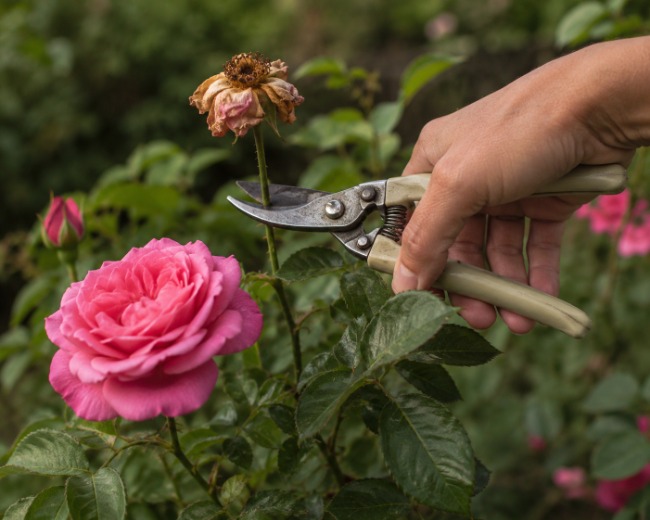
Introduction to Deadheading Roses
Roses are cherished for their stunning beauty and delightful fragrance. To truly maximize their blooming potential, proper maintenance is crucial. One of the vital tasks in rose care is deadheading. This straightforward process, paired with adequate feeding, can lead to a more abundant and vibrant bloom cycle. In this article, we’ll delve into the techniques of deadheading and the significance of feeding your roses to encourage prolific flowering.
What is Deadheading?
Deadheading involves removing spent flowers from a plant, which promotes new growth. Once roses finish blooming, they tend to shift their energy towards seed production. By employing the deadheading technique, you can interrupt this process, prompting the plant to channel its energy into generating more blooms instead of seeds. This practice not only keeps your rose bushes tidy but also bolsters their overall health and flowering capability.
How to Deadhead Roses
Deadheading roses is a simple yet critical process. Executing it correctly is essential to avoid harming the plant. Here’s a step-by-step guide:
- Identify the Finished Bloom: Look for flowers that have wilted or begun to fade in color.
- Locate Developing Buds: Trace the stem down from the spent bloom to find a healthy bud or fresh stems, usually about 75 to 100 mm below the faded flower.
- Make a Clean Cut: Using clean, sharp pruning shears, cut the stem at a 45-degree angle just above the developing buds or fresh stems. This angle helps prevent water from pooling on the cut, reducing the risk of disease.
- Remove Debris: Collect the spent flowers and any fallen petals to keep the area neat and to minimize pest attraction.
When to Deadhead Your Roses
The best time to deadhead roses is immediately after the blooms fade. Regularly inspecting your roses every week or two during the blooming season ensures you catch spent blooms quickly. Keep an eye out for any signs of disease or pest infestation, as deadheading affected flowers can help prevent their spread.
The Role of Feeding in Rose Care
While deadheading encourages more flowers, proper feeding is essential to provide roses with the nutrients they require to thrive. A well-nourished rose bush is better positioned to produce vibrant blooms. Here’s how to feed your roses effectively:
- Choose the Right Fertilizer: Opt for a balanced rose fertilizer, particularly one that has a high potash content. This type of fertilizer is ideal for promoting flowering and should be applied every three weeks from April to September.
- Apply at the Right Time: Begin feeding roses in early spring as new growth emerges, and continue feeding after the first bloom cycle. Always follow the manufacturer’s instructions for dosage.
- Method of Application: Distribute granular fertilizers evenly around the base of the plant or apply liquid fertilizers to the soil. Be cautious to avoid getting fertilizer directly on the foliage to prevent burns.
Combining Deadheading with Feeding
By merging deadheading with regular feeding, you can create an optimal environment for your roses to flourish:
- Promote Extended Blooming: Consistent deadheading fosters continual blooming, while feeding provides the necessary nutrients for new growth.
- Enhance Plant Health: Healthy plants are better equipped to resist diseases and pests, resulting in lush foliage and more abundant flowers.
- Maintain Visual Appeal: Well-deadheaded and nourished roses will showcase vibrant blooms throughout the growing season, adding beauty and charm to your garden.
Mastering the art of deadheading alongside proper rose feeding can significantly augment their flowering potential. By routinely removing spent blooms and ensuring that your roses receive the necessary nutrients, you’ll enjoy a magnificent display of beautiful flowers. So gather your pruning shears and high potash fertilizer, and get ready to elevate your rose care routine!