Gardening Calendar 4th Week in January
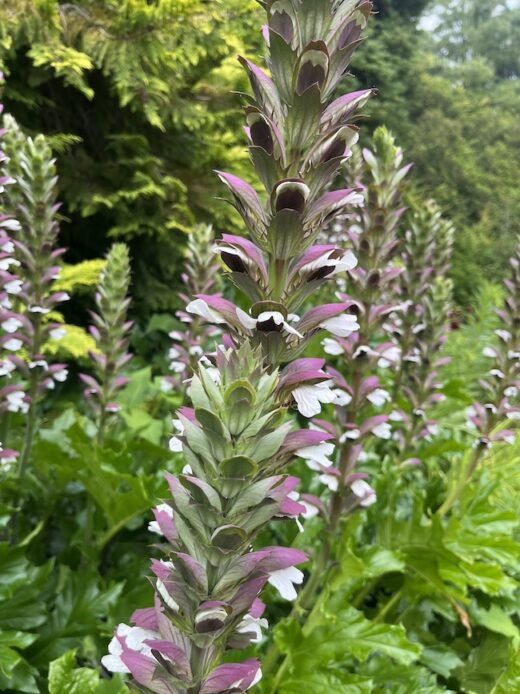
Acanthus mollis in flower
The GardenAdvice Calendar highlights key gardening tasks and solutions based on our latest advice to members. For the Fourth week of January, make the most of winter conditions to prepare for the growing season ahead.
Dividing Snowdrops (In the Green)
- Keep an eye out for snowdrops as they start to shoot through the soil.
- Now is the perfect time to lift and divide snowdrop clumps while actively growing.
- This is called “moving in the green” – splitting and replanting while in leaf.
- Moving “in the green” ensures much better establishment than planting dry bulbs.
- How to divide:
- Lift clumps carefully with a fork when shoots are 50mm high
- Gently tease apart individual bulbs
- Replant immediately at the same depth
- Water in well
- Creates natural drifts throughout the garden over time.
Forced Bulbs for Indoor Colour
- Garden centres have excellent displays of forced bulbs in pots right now.
- These bulbs were planted last autumn and provide instant early-season colour.
- Top choices:
- Hyacinths – wonderfully fragrant for indoors
- Daffodils and narcissus – particularly ‘Tête-à-Tête’ and ‘Paperwhites’
- Tulips – early varieties already showing colour
- Crocuses and iris reticulata
- This is called “plunge bedding” – bring pots indoors while flowering, then move outside.
- After flowering, plant bulbs out in the garden for next year.
Planting Asparagus Crowns
- Now is a great time to buy and plant 3-year-old asparagus crowns.
- Three-year crowns give you a head start – can harvest lightly next year.
- Planting asparagus beds:
- Choose a sunny, well-drained spot – asparagus beds last 15-20 years
- Dig a trench 200mm deep and 300mm wide
- Create a ridge down the centre and drape roots over it
- Space crowns 300-450mm apart
- Cover with 75-100mm of soil initially, backfill gradually as shoots emerge
- Soil preparation: Dig in plenty of well-rotted manure or compost first.
Planting Cane Fruits
- Excellent time to plant bare root cane fruits while dormant.
- Cane fruits to plant now:
- Raspberries – summer and autumn fruiting varieties
- Blackcurrants – excellent for jams and vitamin C
- Redcurrants and whitecurrants
- Gooseberries – dessert and culinary varieties
- Blackberries and hybrid berries (tayberries, loganberries)
- Plant in well-prepared soil with plenty of organic matter.
- Install support wires or frameworks for raspberries and climbing berries.
Sowing Sweet Peas
- Now’s a great time to sow sweet peas on a windowsill in pots.
- Sowing method:
- Chip hard seed coats with a knife or rub with sandpaper
- Soak overnight in water to speed germination
- Sow in deep pots or root trainers (sweet peas have long roots)
- Keep on a cool windowsill – they don’t need heat
- Once 100mm high and well-rooted, move outside to harden off.
- Pinch out growing tips when 4-6 leaves to encourage bushy growth.
Early Seed Sowing – Peppers and Chillies
- Now’s a good time to sow peppers and chillies on a windowsill.
- These are really long-term crops that need a long growing season.
- Sowing tips:
- Sow in small pots or modules with seed compost
- Keep warm (20-25°C ideal) on a heated propagator or warm windowsill
- Germination can take 2-3 weeks
- Pot on when large enough to handle
- Don’t worry if you miss the window – young plants available from growers later in the season.
Other Early Seed Sowing
- Start sowing early crops under protection (greenhouse, windowsill, or cold frame).
- Vegetables to sow now:
- Broad beans – hardy variety ‘Aquadulce Claudia’ can be sown direct or in pots
- Early peas – sow in guttering or root trainers for transplanting later
- Summer cauliflower – start in modules for planting out in spring
- Onions from seed – varieties like ‘Ailsa Craig’ for large exhibition onions
- Keep seedlings cool but frost-free – a cold greenhouse is ideal to prevent leggy growth.
Chitting Seed Potatoes
- Order seed potatoes now if you haven’t already.
- Begin chitting (sprouting) early varieties in a cool, light place.
- How to chit:
- Place potatoes rose-end up (end with most eyes) in egg boxes or seed trays
- Position in a frost-free, bright location (10-15°C ideal)
- Short, sturdy shoots will develop over 4-6 weeks
- First early varieties ready to plant in March; second earlies and maincrop in April.
Preparing for Slug and Snail Season
- Although the weather’s quite cold at the moment, it will soon warm up.
- Now is the time to be ready for the onslaught of slugs and snails as temperatures rise.
- Particularly important if you grow lots of perennial plants which are vulnerable to damage.
- Get organized now:
- Order nematodes – biological control that starts working when soil reaches 5°C
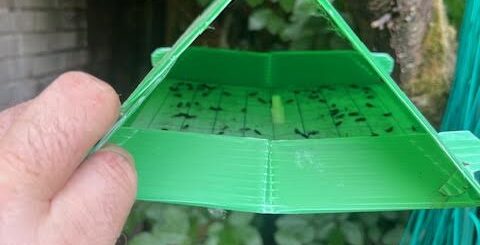
- Set up beer traps – shallow containers sunk into soil, filled with beer
- Create homes for toads – upturned pots with entrance holes, log piles, damp corners
- Encourage natural predators – hedgehogs, ground beetles, frogs, birds
- Being prepared now means you’ll be ready for slug and snail activity as the weather warms.
- Early action prevents damage to emerging shoots and new growth in spring.
Last Chance for Bare Root Planting
- Final opportunities to plant bare root trees, shrubs, and hedging plants.
- Soil is still workable in most areas – plant before the spring growth surge.
- Priority plants:
- Fruit trees (apples, pears, plums, cherries)
- Rose bushes
- Hedging plants (beech, hornbeam, hawthorn)
- Heel in any remaining bare root stock if ground is frozen – plant when conditions improve.
Lawn Care in Winter
- Avoid walking on frosted lawns – grass blades will snap and turn brown.
- Continue to remove fallen leaves and debris on mild days.
- Check for moss problems:
- See how you’re getting on for moss coverage
- Simple dressing of lime or bio chalk at this time of year helps discourage moss
- Traditional method uses lawn sand (mixture of sand, iron sulphate, and nitrogen)
- Apply lime/bio chalk to raise soil pH (moss thrives in acidic conditions)
- Scarify gently to remove existing moss after treatment
- New lawns: Can still be laid from turf on mild days with workable soil.
Birds Pecking at Your Lawn
- Keep an eye out for birds such as crows pecking at your lawn.
- This indicates you might have leather jackets (crane fly larvae) or chafer grubs.
- Signs of grub damage:
- Birds making holes in the turf
- Yellow or brown patches that pull up easily
- Visible white C-shaped grubs when turf is lifted
- However – could also be squirrels looking for nuts they stored over autumn/winter.
- Treatment for grubs:
- Biological control with nematodes in spring/autumn
- Encourage natural predators (birds, hedgehogs)
- Keep lawn healthy to withstand damage
Winter Pruning – Wisteria and Climbing Plants
- Perfect time for second winter pruning of wisteria.
- Cut back summer growth (pruned in July/August) to 2-3 buds from the main framework.
- This encourages formation of flower buds for spring display.
- Also prune:
- Climbing roses – tie in new growth, remove old/diseased wood
- Ornamental vines – shape and thin while dormant
Protecting Tender Plants
- Check plant protection regularly during cold snaps.
- Key actions:
- Wrap terracotta pots with bubble wrap or hessian to prevent cracking
- Move container-grown tender plants closer to house walls
- Check fleece hasn’t blown off protected plants
- Ventilate cold frames on mild days to prevent fungal diseases
- Emerging spring bulbs – cover with fleece or cloches if severe frost forecast.
Planning the Vegetable Garden
- Now is the ideal time to plan crop rotations and draw garden layouts.
- Planning tips:
- Rotate crops to prevent soil-borne diseases and nutrient depletion
- Order seeds early for best variety selection
- Plan for successional sowings of salads and quick crops
- Consider companion planting (e.g., marigolds with tomatoes)
- Review last year’s garden diary – what worked well? What struggled?
Pruning Apple and Pear Trees
- Continue winter pruning of established fruit trees.
- Pruning priorities:
- Remove dead, diseased, or crossing branches
- Thin out crowded growth to improve air circulation
- Cut back vigorous summer shoots to 2-3 buds to encourage fruiting spurs
- Create an open goblet shape for free-standing trees
- Tip: Apple and pear flower buds are plump and rounded; leaf buds are flatter and pointed.
Winter Interest Plants
- Garden centres and GardenAdvice have excellent selections of winter-flowering plants this week.
- Top picks:
- Witch hazel (Hamamelis) – fragrant spider-like flowers in yellow, orange, or red
- Winter-flowering heathers – provide colour and evergreen structure
- Hellebores – Christmas and Lenten roses in bloom
- Winter jasmine (Jasminum nudiflorum) – cheerful yellow flowers
- Plant now for instant winter colour.
Greenhouse and Cold Frame Maintenance
- Clean greenhouse glass inside and out to maximize light penetration.
- Check heating systems and insulation before temperatures drop further.
- Hygiene tasks:
- Remove dead plant material and debris
- Wash pots and trays with horticultural disinfectant
- Check for pest overwintering sites (aphids, whitefly, spider mites)
- Ventilate on mild days to reduce humidity and prevent fungal diseases.
Wildlife Gardening
- Keep bird feeders topped up – natural food sources are scarce in January.
- Provide fresh water daily; break ice on ponds and bird baths.
- Create habitat:
- Leave seed heads on perennials for birds and beneficial insects
- Build log piles for hibernating insects and amphibians
- Resist tidying too much – wildlife needs shelter during winter
- Install nest boxes ready for spring breeding season.
GardenAdvice Plant Swap & Offers
- Plant Swap: Exchange plants with fellow gardeners – many varieties available this week.
GardenAdvice Gardening Course Members: Receive 12 free plants without needing to swap.