GardenAdvice Gardening Calendar 4th week in March 2026

March is a pivotal month in the garden, marking the transition from winter preparation into active spring growth. As soil temperatures begin to rise and daylight increases, plants respond quickly. This week’s focus should be on supporting that early growth with the right nutrients, securing climbers before they surge ahead, and putting pest control measures in place before problems develop.
- General Feeding: Now is the time to begin a regular feeding programme for all established plants. Apply a liquid tomato feed, which is high in potash, every 2 to 6 weeks and continue through to October. This follows on from earlier applications of general fertilisers such as Growmore and helps promote strong flowering and fruiting. Using a hose-end feeder can make application quicker and ensure an even distribution of nutrients across beds and borders.
- Climbers and Supports: Complete any remaining structural pruning of climbing roses and wisteria before new growth accelerates. Once pruned, tie in stems securely to wires, trellis, or frameworks to create a well-spaced structure that will support the season’s growth. Getting supports in place early prevents damage later and improves flowering performance. For more detailed guidance, see our rose pruning guide.
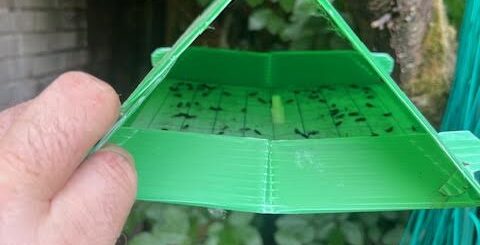
- Fruit Tree Pest Control: Install pheromone traps for codling moth and plum moth in apple and plum trees now, before adult populations build up. These traps provide a chemical-free way to monitor and disrupt breeding cycles, helping to reduce maggot damage in fruit later in the season. Early installation is key to effectiveness. More information can be found in our codling moth control guide.
- Lawn Care: During drier spells, gently brush off worm casts from the lawn surface once they have dried slightly and crumble easily. This helps maintain a level surface and prevents smearing. If weeds are present, plan to apply a selective lawn weed killer, such as Weedol for Lawns, before regular mowing begins. Tackling weeds early in the season gives the grass a stronger start.
- Perennial Division and Support: Lift and divide overcrowded perennials such as Phlox, Astilbe, and Hosta while they are still in early growth. This rejuvenates plants, improves flowering, and allows you to spread them around the garden. For taller perennials, position support frames or stakes now so that new growth can develop through them naturally, avoiding the need for later intervention. Further advice is available in our plant support guide.
- Seed Sowing: Continue sowing tender vegetables and flowers indoors or under cover, including crops such as cucumbers, melons, and chillies. Use a fine, free-draining seed compost such as coco coir to encourage good germination and root development. Maintain consistent warmth during the day, but turn off heated propagators at night to replicate natural temperature fluctuations and prevent soft, leggy growth.
- Taking Cuttings: As plants begin to produce fresh, soft growth, this is an ideal time to take softwood cuttings from shrubs such as Salvia and Hydrangea. Select healthy, non-flowering shoots and root them in a light compost mix under humid conditions. This is a reliable way to propagate new plants for later in the season. See our softwood cuttings guide for step-by-step instructions.