GardenAdvice Gardening Calendar – First Week of September 2026
September marks the beginning of the transition from summer into autumn. The soil is still warm, many plants are continuing to grow, and there is usually enough moisture for new roots to establish. This makes the first week of September an excellent time to improve the soil, divide plants, sow quick-growing crops and prepare the garden for the months ahead.
This week’s GardenAdvice Calendar focuses on practical late-summer jobs, with mulching as one of the most valuable tasks for gardens affected by dry weather.
1. Mulch Borders to Protect the Soil
Late summer is an excellent time to mulch, particularly after rain when the soil is already moist. A layer of organic matter helps conserve that moisture, shields the soil from sun and wind, and reduces the effects of future drought.
Suitable materials include:
- Spent mushroom compost
- Well-rotted garden compost
- Leaf mould
- Composted bark
- Well-rotted horse manure
Apply a layer around 5–8 cm (2–3 inches) deep and leave a small gap around plant stems, crowns and tree trunks. There is normally no need to dig it in. Worms and other soil organisms will gradually draw the material into the soil.
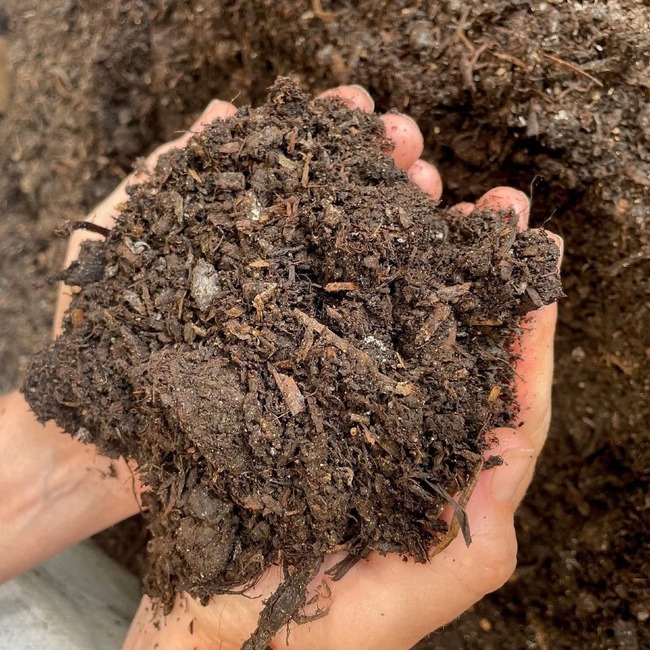
Spent mushroom compost adds large quantities of organic matter and is especially useful for improving heavy or depleted soil. It helps the soil retain water and creates better conditions for roots, earthworms and beneficial mycorrhizal fungi. However, mushroom compost normally contains chalk or lime, so avoid using it around acid-loving plants such as rhododendrons, azaleas, camellias, pieris and many heathers.
Read more: Using mushroom compost as a mulch to improve your soil.
2. Continue Watering Newly Planted Trees and Shrubs
Early autumn rain can make the garden look damp while the soil around newly planted roots remains dry. Continue checking plants established during the spring and summer.
- Water deeply rather than applying a small amount every day.
- Check the soil beneath the surface before deciding whether to water.
- Concentrate water around the root ball.
- Mulch after watering to slow moisture loss.
Evergreen plants are especially important because they continue losing water through their leaves during autumn and winter.
3. Divide Overgrown Perennials
As temperatures begin to fall, many established herbaceous perennials can be lifted and divided. The soil is still warm enough for divisions to produce new roots before winter.
Suitable plants include:
- Hardy geraniums
- Daylilies
- Hostas
- Michaelmas daisies
- Lady’s mantle
- Phlox
Replant the strongest outer sections, water them thoroughly and add a mulch around the plants. Surplus divisions can be potted up or shared with other gardeners.
4. Sow Salads and Vegetables for Autumn
There is still time to sow fast-growing crops for autumn harvesting. Cooler conditions can reduce the risk of some crops bolting, although young seedlings must still be protected from slugs.
Try sowing:
- Winter lettuce
- Rocket
- Spinach
- Radish
- Mustard leaves
- Spring onions
- Oriental salad leaves
Sow in open soil, containers or an unheated greenhouse. Keep the compost evenly moist while the seeds germinate.
5. Harvest Fruit and Vegetables Regularly
Many crops are producing heavily at the beginning of September. Regular harvesting encourages continued production and prevents crops becoming overripe.
- Pick beans and courgettes while they are young and tender.
- Harvest tomatoes as they colour.
- Lift maincrop potatoes once the foliage has died back.
- Pick apples and pears when they come away with a gentle lift and twist.
- Remove damaged or diseased fruit rather than leaving it on the plant.
Continue feeding tomatoes, peppers and other fruiting plants with liquid tomato fertiliser while they are actively cropping.
6. Collect Seeds and Take Cuttings
Dry September days are ideal for collecting ripe seed. Choose healthy plants, collect seed heads into labelled paper bags and allow them to dry before storage.
This is also a useful time to take semi-ripe cuttings from shrubs and climbers, including:
- Lavender
- Rosemary
- Hydrangea
- Fuchsia
- Honeysuckle
- Pelargonium
Keep cuttings shaded and lightly moist while roots develop.
7. Keep Flowers Blooming
Continue deadheading roses, dahlias, cosmos, calendula and bedding plants. Removing faded flowers encourages plants to direct their energy into new buds rather than seed production.
Do not remove every seed head. Leave some on plants such as sunflowers, teasels and ornamental grasses to provide food and shelter for wildlife later in the year.
8. Repair and Improve Lawns
Early September is one of the best times to repair a lawn. The soil is warm, rainfall is normally increasing and grass seed can establish before winter.
- Rake out dead grass and surface thatch.
- Spike compacted areas to improve drainage.
- Reseed bare patches.
- Brush fine topsoil or lawn dressing into uneven areas.
- Keep newly sown seed consistently moist.
Use an autumn lawn feed rather than a high-nitrogen summer feed, as soft leafy growth is more vulnerable during winter.
9. Start Planting Spring-Flowering Bulbs
Daffodils, crocuses, hyacinths and many smaller spring bulbs can be planted from September. Planting early gives them time to establish roots while the soil remains warm.
As a general guide, plant bulbs at around two to three times their own depth in well-drained soil. Tulips are usually best planted later in autumn, when cooler soil reduces the risk of disease.
10. Check for Late-Summer Pests and Diseases
Continue inspecting plants even as the main growing season begins to slow. Warm days and damp nights can encourage pest and disease problems.
Look out for:
- Slugs and snails around young autumn crops.
- Vine weevil damage in pots and containers.
- Powdery mildew on plants stressed by dry soil.
- Tomato and potato blight during warm, humid weather.
- Wasps feeding on ripe fruit.
Remove badly affected leaves and fallen diseased material. Improving airflow and maintaining steady soil moisture will help reduce many late-summer problems.
11. Prepare Tender Plants for Cooler Nights
There is usually no need to move every tender plant indoors yet, but it is worth making a plan before colder nights arrive.
- Check greenhouse heaters and insulation.
- Take cuttings from tender favourites as insurance.
- Reduce watering as plant growth slows.
- Move tender pots to a sheltered position.
- Keep horticultural fleece ready for an unexpectedly cold night.
This Week’s Quick Gardening Checklist
✅ Mulch damp soil with a 5–8 cm layer of organic matter
✅ Keep newly planted trees, shrubs and perennials watered
✅ Divide overcrowded herbaceous perennials
✅ Sow winter salads, spinach, rocket and radishes
✅ Harvest beans, courgettes, tomatoes, apples and pears
✅ Collect ripe seed and take semi-ripe cuttings
✅ Deadhead flowers but retain some seed heads for wildlife
✅ Repair bare lawn areas and sow grass seed
✅ Plant daffodils, crocuses and other spring bulbs
✅ Check for slugs, vine weevil, mildew and blight
✅ Prepare tender plants for cooler nights
GardenAdvice Tip of the Week
“Mulch after rain while the soil is moist. Organic matter applied now will protect roots, encourage worms and help the garden hold more water when dry weather returns.”
For more seasonal advice, visit GardenAdvice Calendars – Your Gardening Year, Made Simple.
Helping You Learn, Create and Enjoy Your Garden. 🌱