Winning the War Against Ants: How Changing Climates Are Affecting Your Garden
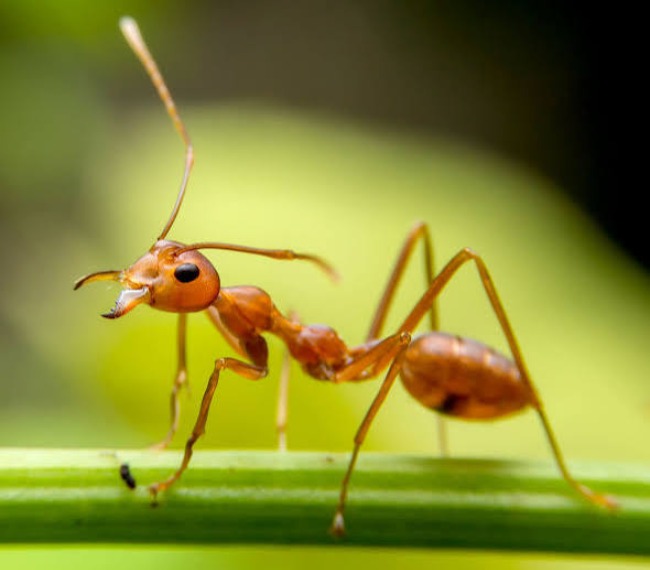
The Changing Face of Our Gardens
As our climate undergoes significant shifts, many gardeners are noticing that their outdoor spaces are changing. We are experiencing milder winters, more erratic rainfall patterns, and longer, warmer growing seasons. While these changes might extend the time we can spend planting, they also create the perfect, hospitable environment for garden pests—specifically, ants. In this article, we will explore why these insects are thriving in modern conditions and how you can manage them naturally, keeping your garden healthy and productive.
Why Ants Are Thriving in Warmer Climates
Ants are highly adaptable creatures, and the recent trends in our climate provide them with a distinct advantage. Warmer, drier soil conditions during the spring and summer make it easier for ant colonies to expand their nests and forage for food. Unlike some garden pests that are highly sensitive to temperature fluctuations, many common ant species in the UK have proven to be remarkably resilient. Furthermore, mild winters mean that fewer colonies die off, leading to larger, more established populations when spring arrives.
The Impact on Your Garden
While ants perform vital roles in the ecosystem—such as soil aeration and seed dispersal—they can become a significant nuisance when their populations grow unchecked. In the garden, they can undermine plant roots by tunneling, encourage aphid populations by farming them for their honeydew, and create unsightly mounds across your lawn or patio. If you find your prized plants struggling or notice significant disturbances in your soil, it may be time to implement a management strategy.
Natural Solutions: The Power of Nematodes
Gone are the days when harsh, chemical-heavy pesticides were the only answer to pest problems. Gardeners today are increasingly turning to sustainable, biological control methods that target specific pests without harming the local ecosystem. One of the most effective ways to manage an ant infestation is through the use of entomopathogenic nematodes, such as those found in the Nemasys No Ant range.
Nematodes are microscopic, worm-like organisms that occur naturally in the soil. When applied as a targeted treatment, they actively seek out ant larvae and disrupt the colony’s structure, effectively encouraging them to relocate without the use of toxic chemicals. This approach is particularly effective because:
- Targeted Action: They specifically target the pests you want to remove, leaving beneficial insects, pets, and children safe.
- Eco-Friendly: As a biological control, they do not leave behind toxic residues in your soil or vegetable patches.
- Easy Application: Nematodes are simply mixed with water and applied to the affected area using a watering can or garden sprayer, making them ideal for home use.
Best Practices for Sustainable Ant Management
Beyond using targeted biological treatments, you can make your garden less inviting to ant colonies by employing a few simple cultural practices:
- Keep it Tidy: Clear away debris, rotting wood, and piles of garden waste that provide shelter for nesting colonies.
- Watering Management: While warmer climates encourage ants, keeping your soil healthy and well-hydrated can sometimes discourage them from building nests in specific beds, as they prefer dry, undisturbed soil.
- Monitor Aphid Populations: Since ants often protect aphids, managing your aphid population naturally with ladybirds or soapy water sprays will make your plants less attractive to foraging ants.
Embracing a Resilient Future
The changing climate presents new challenges for every gardener, but it also encourages us to rethink our approach to pest control. By moving away from invasive chemicals and embracing biological solutions like nematodes, we can create a more balanced and sustainable garden environment. Remember, the goal isn’t to eradicate every ant from your property, but to manage their presence so that your plants can grow and thrive. With a bit of observation and the right tools, you can ensure your garden remains a beautiful, healthy sanctuary despite the shifting weather patterns.