How to Water Plants in Extreme Heat: A Complete Summer Care Guide
Mastering Plant Hydration During Heatwaves
As summer temperatures climb, keeping your garden hydrated becomes a challenge that goes beyond simple maintenance. During extreme heat, plants transpire rapidly, losing moisture through their leaves to cool themselves down. If you don’t adjust your watering routine, your green space can quickly turn from vibrant to withered. Here is how you can ensure your plants survive and thrive even when the thermometer hits record highs.
The Golden Rule: Timing Matters
The most important factor in hot weather gardening is when you water. The ideal time to irrigate is early in the morning, ideally before 8:00 AM. Watering early allows the moisture to soak deep into the soil before the sun reaches its peak intensity. This gives roots a reservoir of water to draw from throughout the day. If you cannot manage early morning, late evening is your second-best choice, though you must be careful to avoid wetting the foliage, as moisture sitting on leaves overnight can encourage fungal diseases.
Deep Watering Over Frequent Sprinkles
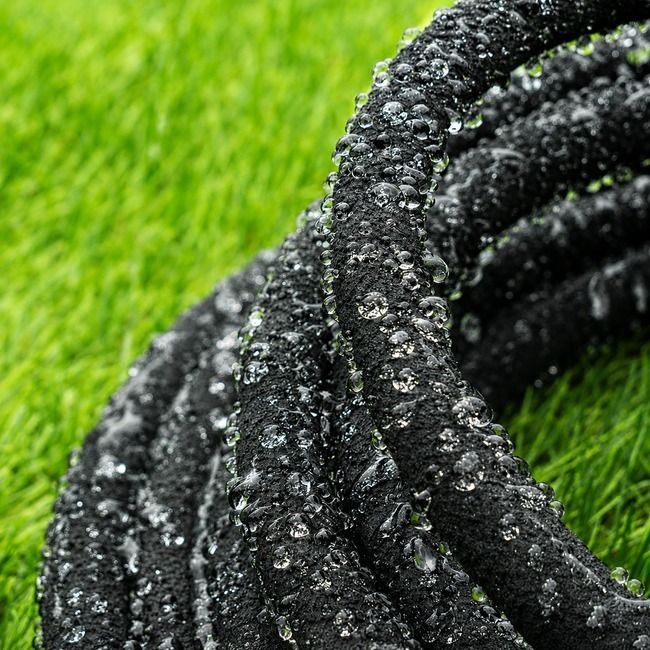
Many gardeners make the mistake of providing light, frequent sprinkles during a heatwave. This encourages shallow root systems that are highly susceptible to drying out. Instead, practice deep soaking. You want the water to penetrate several inches into the earth, encouraging roots to grow deeper where the soil remains cooler and more moist. A slow, steady drip or a soaker hose is significantly more effective than a high-pressure spray that bounces off hard, dry soil.
The Power of Mulch
If you haven’t mulched your garden beds, now is the time to start. Mulch acts as an essential insulator for your soil. By applying a two-to-three-inch layer of organic material—such as wood chips, straw, or compost—you achieve three critical benefits:
- Temperature Regulation: It keeps the soil surface significantly cooler, preventing the sun from baking the roots.
- Moisture Retention: It drastically reduces evaporation, ensuring that your watering efforts actually reach the plant.
- Weed Suppression: It stops weeds from competing with your prized plants for precious water resources.
Signs Your Plants Are Suffering
Even with a rigorous schedule, heat stress can occur. Look for these warning signs that your garden needs an emergency boost:
- Wilting Leaves: While many plants droop in the afternoon as a defense mechanism, if they don’t perk up by the next morning, they are experiencing true water stress.
- Crispy Edges: Brown, dry leaf margins often indicate that the plant is struggling to transport water to its extremities.
- Dull Color: Many plants lose their luster and fade to a lighter, grayish-green tone when severely dehydrated.
Potted Plant Precautions
Container plants are much more vulnerable to heat than those planted in the ground because the pots themselves heat up, “cooking” the root systems. To protect these plants, consider moving containers into a shaded area during the hottest part of the day. You might also double-pot them—placing a smaller plastic pot inside a larger decorative one—to create an air gap that acts as extra insulation. Always check container soil moisture with your finger; if it feels dry an inch down, it is time for a thorough watering until you see drainage coming out the bottom of the pot.
Final Thoughts: Consistency is Key
Nature doesn’t like surprises, and your plants will be much more resilient if they have a consistent supply of water. Don’t wait for plants to show visual signs of collapse before you grab the hose. By mulching effectively, watering deeply in the early morning hours, and monitoring your containers closely, you can help your landscape withstand even the most brutal summer heatwaves. Remember, gardening in high heat is a marathon, not a sprint—stay consistent, and your plants will reward you with their survival.