Mastering Melon Cultivation in Unheated Glasshouses
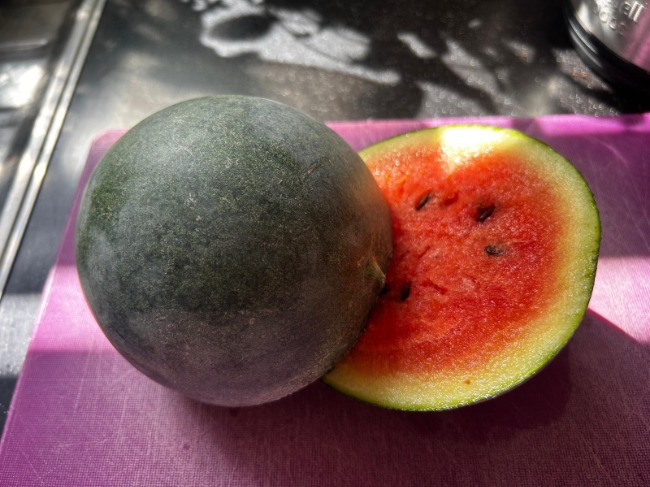
Bring the Tropics Home: Growing Melons Without Extra Heat
Many gardeners assume that sweet, juicy melons are strictly for Mediterranean climates, but the GardenAdvice MyGardenTeam is here to debunk that myth. Our latest seasonal projects have demonstrated that you can successfully cultivate premium melons in a standard cold glasshouse. By leveraging the natural warmth captured within glass walls, you can produce fruit that far surpasses store-bought options in both sweetness and fragrance.
The Advantage of the Cold Glasshouse
Your glasshouse functions as an essential micro-climate, shielding delicate melon vines from the unpredictable wind and rain of our region. As the summer progresses, the structure builds up the ambient heat necessary for fruit development without the need for expensive artificial heating systems. It is the perfect tool for extending your season and pushing the boundaries of what you can grow.
Lessons from Our Recent Trials
During our 2026 planting cycle, we focused on varieties perfectly suited for protected, small-space cultivation. We discovered that prioritizing fruit density over size resulted in an extraordinary flavor profile. These compact, artisanal melons proved that quality outweighs quantity; the sugar concentration we achieved was nothing short of remarkable, providing a taste sensation that supermarkets simply cannot replicate.
Key Strategies for Your Melon Success
If you are ready to try your hand at growing your own melons, follow these core practices developed by our experts:
- Select Early-Maturing Hybrids: Always look for F1 varieties labeled as early-maturing. These are specifically adapted to thrive and ripen before the shorter, cooler days of late summer arrive.
- Enrich Your Soil: Melons require significant nutrients. Prepare your beds or containers with high-quality compost and incorporate a high-potash fertilizer to promote healthy, vigorous fruit production.
- Manual Pollination: Since greenhouse environments lack the pollinators found outdoors, you should manually assist fruit set. Take a soft brush and transfer pollen from the male flowers to the center of the female blossoms, which you can easily identify by the tiny, miniature melon shape at their base.
- Strategic Irrigation: Aim for consistent moisture levels in the soil. As you notice the melons beginning to mature, gently reduce your watering frequency to concentrate the flavor and reduce the risk of fruit splitting.
- Airflow Management: Balancing heat retention with ventilation is vital. Ensure your vents are open during the heat of the day to manage humidity levels, which helps keep issues like powdery mildew at bay.
Join the GardenAdvice Growing Community
Gardening is best when shared, and growing melons is the perfect project to sharpen your skills. Whether you are planting for the first time or are an experienced greenhouse gardener, our MyGardenTeam is ready to provide the guidance you need. We invite you to experiment with us this season and experience the satisfaction of harvesting your own home-grown produce.
Ready to get started? Contact the MyGardenTeam today to request your bespoke planting schedule and become part of our dedicated network of gardeners striving for horticultural excellence.