Simple Slug Control.
How to Get Rid of Slugs in Your Garden: Effective Control Methods
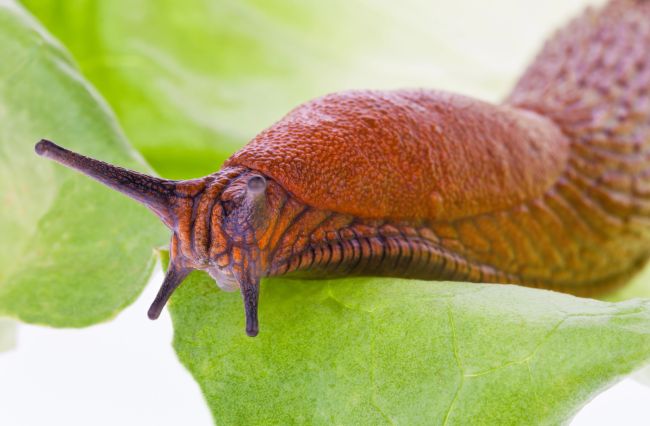
Slugs are one of the most persistent pests gardeners face, causing significant damage to tender plants, seedlings, and vegetable crops. These moisture-loving molluscs can devastate your lettuce, demolish hostas, and leave unsightly holes in your prized ornamentals overnight. Fortunately, there are several effective methods to control slug populations that fit within an organic pest control approach.
Manual Removal: The Salt Water Method
One of the simplest and most immediate ways to control slugs is to hand-pick them and dispose of them in a bucket of salt water. This method is most effective during evening or early morning hours when slugs are most active. Go out with a torch after dusk or just before sunrise, and you’ll find slugs feeding on your plants. Simply pick them off and drop them into your prepared bucket—the salt water will kill them quickly.
While this method requires regular effort, it’s particularly useful for protecting vulnerable plants and can significantly reduce local populations when done consistently. Consider combining this approach with other methods for comprehensive pest management.
Habitat Management: Remove Breeding Grounds
Slugs thrive in damp, dark environments where they can shelter during the day. They particularly love breeding in areas with accumulated leaf debris, old plant matter, and dense ground cover. By maintaining good garden hygiene, you can make your garden far less hospitable to these pests.
Clear away piles of leaves, spent plant material, and garden waste regularly. Keep your compost heap well-managed and away from vulnerable plants. Remove old boards, stones, and debris where slugs might hide. Consider improving drainage in waterlogged areas, as slugs are attracted to consistently damp conditions. Good air circulation around plants also helps—avoid overcrowding in your vegetable beds and ensure adequate spacing between plants.
If you use mulch in your borders, opt for coarse materials like wood chips rather than fine, moisture-retentive options that provide ideal slug habitat. Decluttering your garden spaces not only reduces slug populations but helps with broader pest prevention strategies.
Natural Predators: Encourage Wildlife Allies
One of the most sustainable approaches to slug control is to harness natural predation. Blackbirds and song thrushes are particularly effective slug hunters, with thrushes famously smashing snail shells against stones to access their prey. By making your garden attractive to these birds, you can establish a free and ongoing pest control service.
Attracting birds to your garden provides dual benefits—they’ll help control slugs whilst also tackling aphids and other garden pests. Create bird-friendly garden areas by providing water sources, shelter, and nesting opportunities. Install bird feeders to attract species to your garden initially, and they’ll soon discover the abundant slug population as an additional food source. Consider leaving areas of your garden slightly wilder to provide habitat for ground-feeding birds.
Beyond birds, other wildlife can help too. Hedgehogs, frogs, toads, ground beetles, and slow worms all feed on slugs. Creating a wildlife-friendly garden with log piles, a small pond, and diverse planting will encourage these beneficial predators. Avoid using slug pellets, which can poison the very creatures you want to attract.
Additional Slug Deterrent Methods
Barriers and Traps: Create physical barriers around vulnerable plants using copper tape, crushed eggshells, or sharp grit. Copper gives slugs a mild electric shock, while rough materials are unpleasant for them to cross. Beer traps—shallow containers filled with beer sunk into the soil—attract and drown slugs, though they need regular emptying and refilling.
Water Management: Since slugs need moisture to survive, water your plants in the morning rather than the evening. This allows the soil surface to dry out by nightfall when slugs are most active, making your garden less appealing to them.
Resistant Planting: Choose plants that slugs find less palatable. Strong-scented herbs, plants with tough or hairy leaves, and many Mediterranean plants are naturally slug-resistant. If you’re growing your own vegetables, protect vulnerable seedlings with cloches or raised bed designs that slugs find harder to access.
Getting Expert Help
If slug problems persist despite your best efforts, professional guidance can make all the difference. The GardenAdvice visiting service offers hands-on advice tailored to your specific garden conditions, including eco-friendly management of slugs and other common pests. Alternatively, the GardenAdvice one-day gardening course covers practical pest control techniques you can implement immediately in your own garden.
For ongoing support throughout the growing season, the MyGardenTeam service pairs you with an expert gardener who can help you develop long-term strategies for keeping slug populations under control whilst maintaining a healthy, balanced garden ecosystem.
Conclusion
Controlling slugs effectively requires a combination of methods rather than relying on any single approach. By picking them off regularly, maintaining tidy garden conditions, encouraging natural predators, and using physical barriers, you can reduce slug damage significantly without resorting to chemical controls. Remember that complete eradication is neither possible nor desirable—slugs do play a role in breaking down organic matter—but keeping their numbers manageable will protect your precious plants while maintaining a balanced garden ecosystem.