Maximizing Your Garden: Top Crops to Grow Through Black Woven Weed-Suppressing Sheeting
When it comes to cultivating vegetables with minimal maintenance, using black woven weed-suppressing sheeting proves to be a game changer. This landscape fabric not only reduces the effort you put into managing your garden but also enhances growing conditions for a variety of crops. By blocking light, warming the soil, and conserving moisture, this membrane system sets the stage for a thriving vegetable garden.
How Does It Work?
The black woven ground sheeting functions effectively in several ways:
- Weed Suppression: By blocking sunlight, it inhibits weed growth.
- Soil Temperature Management: The fabric warms the soil, ensuring better growing conditions.
- Moisture Conservation: It significantly reduces moisture loss, allowing your crops to thrive.
- Cleansliness: Keeps fruit and foliage cleaner, mitigating the risks of disease and decay.
- Ease of Management: Overall, it simplifies the vegetable-growing process.
Installation Process
To reap the benefits from this system, prepare your soil with compost and fertilizer first. Then:
- Lay the membrane tightly across the prepared area and secure it with pegs.
- Cut crosses or planting holes into the fabric wherever you want to place your plants.
- Plant young seedlings through these cuts into the soil below.
Enhancing with a Leaky Hose Irrigation System
One of the best practices to complement your setup is adding a leaky hose irrigation pipe. This system can:
- Be wound underneath the fabric before installation or placed on top and pushed through slits as needed.
- Deliver water directly to the root zone, reducing waste and enhancing moisture delivery, particularly during hot weather.
It is especially beneficial for crops such as:
- Courgettes
- Marrows
- Pumpkins
- Sweet corn
- Outdoor tomatoes
- Aubergines
- Brassicas
Once connected, this system can be left running slowly to deeply soak the soil beneath.
Best Crops for Growing Through Black Sheeting
Here are some of the top crops that thrive in this setup:
1. Potatoes
Potatoes are a fantastic choice as their foliage grows through the holes while the tubers remain protected beneath the membrane.
2. Courgettes
These love the conditions provided by the sheeting, from warm roots to reduced weeds and cleaner fruits.
3. Marrows
Vigorous and hungry, marrows benefit from the moist, warm soils and ample space to spread.
4. Pumpkins & Squash
These sprawling plants thrive on the sheeting surface while weeds remain suppressed below.
5. Sweet Corn
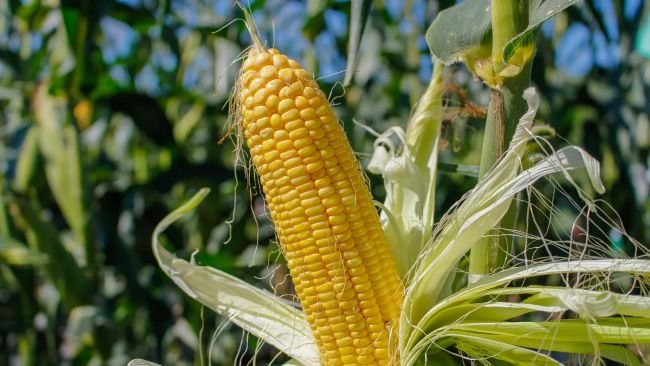
Sweet corn appreciates the warmer ground temperatures and, when planted in blocks, ensures better pollination.
6. Outdoor Tomatoes
Tomatoes do exceptionally well through black sheeting, enjoying the warmth, moisture retention, and reduced weed growth.
7. Aubergines
Aubergines favor the warmth retained by the membrane and thrive in sheltered areas.
8. Brassicas
Brussels sprouts, cabbage, broccoli, cauliflower, and kale benefit from lower competition and moisture stability.
9. Cucumbers
Cucumbers enjoy the warmer conditions and benefit from reduced weed competition.
10. Strawberries
A classic for black membrane systems, strawberries remain clean and dry, significantly reducing rot.
Crops Less Suitable
Some crops tend to fare better when grown directly in cultivated soil, including:
- Carrots
- Parsnips
- Beetroot
- Salad crops
- Radishes
- Spinach
Tips for Success
- Feed During the Season: Regular feeding, especially for heavy-feeding plants, can be achieved with diluted liquid tomato fertilizer.
- Water Deeply: Employing a leaky hose ensures slow, deep watering for robust growth.
- Secure the Sheeting: Ensure the sheeting is properly secured to avoid wind lift.
Conclusion
Growing vegetables through black woven sheeting is a practical, low-maintenance method that is particularly effective for larger, warmer-soil-loving crops. With the added efficiency of a leaky hose irrigation system, you can cultivate a bountiful vegetable garden with reduced effort and enhanced productivity.