
Description
Bergenia ‘Snow Crystal’ – elephant’s ears
Botanical name: Bergenia ‘Snow Crystal’
Common names: Bergenia, elephant’s ears
Family: Saxifragaceae
Plant type: Evergreen perennial
Habit: Low, clump-forming, spreading
Pot size: 2–3 litre pot
Eventual size: Approx. 40–45cm tall × 45cm spread
Foliage: Large, glossy, leathery rounded green leaves with bronze winter tints; evergreen
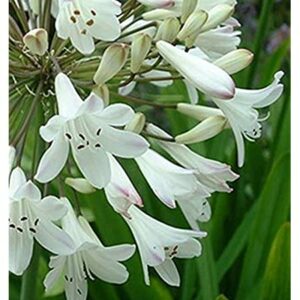
Flowers: Sprays of white bell-shaped flowers, sometimes pink-flushed, on reddish stems in spring (March–May)
Scent: Not notably scented
Aspect / light: Full sun to partial shade
Soil: Most soils; well-drained; tolerates poor and dry soil once established; any pH
Hardiness: RHS H7 (very hardy, below −20°C); USDA zones 3–8
Exposure: Sheltered or exposed; very tolerant
Native range: Garden form; the genus is native to central and eastern Asia
Toxicity / pet & child safety: Generally considered non-toxic to people and pets
Bergenia ‘Snow Crystal’ is a tough evergreen with bold glossy leaves and white spring flowers. Superb, reliable, year-round weed-suppressing groundcover for sun or shade.
GardenAdvice notes
Aptly nicknamed ‘elephant’s ears’, bergenia is one of the toughest and most useful of all evergreen perennials, grown for its large, glossy, leathery rounded leaves, which form weed-suppressing groundcover all year, and its early sprays of bell-shaped flowers held on stout stems in spring. Many forms take on rich red and bronze leaf tints in winter, giving valuable cold-season colour. Exceptionally hardy and adaptable, it thrives almost anywhere.
Growing & planting
Plant in spring or autumn in most soils in full sun to partial shade — it is remarkably tolerant, coping with sun or shade, poor and dry soils once established, and exposure. The winter leaf colour is usually strongest in sun and in poorer soil. Space about 40cm apart for groundcover. Water while establishing.
Care & maintenance
Very low-maintenance. Remove tatty or damaged leaves and the spent flower stems to keep it looking fresh. It is evergreen, so needs no cutting back. Water in prolonged drought while young. Lift and divide congested clumps after flowering or in autumn — this is also how to propagate it and keep it vigorous.
Propagation
- Division: Lift and divide the rhizomes after flowering or in autumn — quick and easy.
Pests & diseases
Generally trouble-free and extremely tough. Vine weevil (grubs at the roots, notches in the leaves) and slugs or snails can occasionally affect it. Otherwise one of the most reliable, resilient plants you can grow.
Uses in the garden
Superb as evergreen, weed-suppressing groundcover, for edging paths and borders, at the front of beds, under shrubs, on banks and in difficult dry or shady spots, where its bold foliage gives year-round structure and its early flowers and winter leaf colour are a bonus.
Wildlife value
The early spring flowers are a valuable source of nectar for bees and other pollinators emerging early in the year.
Toxicity & safety
Bergenia is generally regarded as non-toxic to people and pets.
GardenAdvice tip
‘Snow Crystal’ is a crisp white-flowered bergenia, its white bells fresh and bright above bold evergreen leaves in spring. White is especially useful for lifting a shadier spot; and like every bergenia it’s tough, evergreen and weed-suppressing, asking only that you pull off the odd tatty leaf and spent flower stem to keep it looking smart.
Our plants are guaranteed for 24 months for more details Click Here



Reviews
There are no reviews yet.