GardenAdvice Gardening Calendar – Final Week of May 2026

Click Here to search the Gardening Database
As we move into the final week of May, gardens are growing rapidly and many of the key seasonal pests are becoming active. This is one of the most important times of the gardening year, as a little attention now can prevent many of the problems that gardeners face later in the summer.
Watch Out for Garden Pests
If you’re growing your own vegetables, it’s time to inspect crops regularly. At this time of year, pests can appear very quickly and cause significant damage if left unchecked.
Slugs
Slugs are becoming increasingly active, particularly during damp evenings and after periods of rain. Young vegetables, dahlias, hostas and newly planted bedding plants are particularly vulnerable.
If slugs are becoming a problem, consider using biological controls such as nematodes. You can also read our guide on controlling slugs or use the Helene AI Database Search to identify pest damage and find suitable remedies.
Vine Weevil
Vine weevil activity is beginning to increase, particularly in gardens where large quantities of compost or organic matter have been added.
Look out for:
- Distinctive notches around leaf edges.
- Plants suddenly collapsing in pots and containers.
- White grubs feeding on roots beneath the soil surface.
If you are unsure whether damage has been caused by vine weevil, read our guide to vine weevil control in pots or upload a photograph using the Helene AI Database Search for identification.
Carrot Root Fly
The good news is that carrot root fly is a poor flier and generally flies close to the ground.
Installing barrier netting around your carrot crop is often enough to stop adult flies reaching the plants to lay their eggs.
For best results:
- Install netting before thinning carrots.
- Replace netting immediately after harvesting or weeding.
- Bury the bottom edge of the netting a few inches into the soil or peg it securely to the ground to prevent flies getting underneath.
Cabbage White Caterpillars
Butterflies are now active and will soon be laying eggs on brassicas. Read our guide on protecting your garden from pests for advice on using companion planting and biological controls alongside netting.
Protect:
- Cabbages
- Cauliflowers
- Broccoli
- Kale
- Brussels sprouts
Using fine insect-proof netting.
Improve Your Soil with Organic Matter
One of the most important gardening jobs at this time of year is improving soil structure and fertility.
Well-Rotted Horse Manure
Well-rotted horse manure is generally slightly acidic to neutral and is excellent for:
- Improving clay soils.
- Increasing organic matter.
- Feeding hungry plants.
- Supporting many shrubs and perennial plants.
Leaf Mould
Leaf mould is also slightly acidic and is one of the best soil improvers available. For more on building a great compost heap, see our guide on how to make great compost.
Benefits include:
- Improved moisture retention.
- Better soil structure.
- Increased biological activity.
- Ideal conditions for woodland plants and acid-loving species.
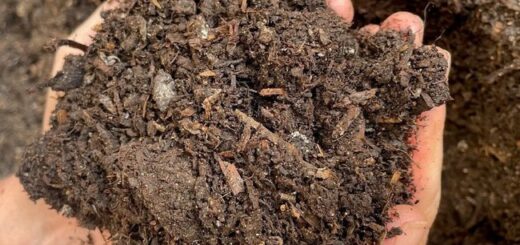
Spent Mushroom Compost
Spent mushroom compost is very different. Because commercial mushroom growers use large quantities of chalk during production, spent mushroom compost is naturally alkaline. You can see it put to good use in our guide to mulching flower borders with spent mushroom compost.
This makes it particularly useful for:
- Heavy clay soils.
- Vegetable gardens.
- Brassica crops.
- Gardens with acidic soil.
However, avoid using it around acid-loving plants such as rhododendrons, azaleas, camellias and pieris.
If you are looking for composts, fertilisers and gardening products, visit the GardenAdvice Expert Supplier Directory.
Feed Plants Before Problems Start
Many plant health issues occur simply because plants are underfed.
Photinia
Photinia is a popular hedging plant but often suffers from fungal leaf spot because it has not been fed sufficiently.
Feed regularly with a high-nitrogen liquid fertiliser during spring and early summer to encourage vigorous new growth and improve resistance to disease.
For more information see our guide to Miracle-Gro Plant Food.
Box Hedges
Box hedges and topiary will benefit from feeding now to encourage strong healthy growth throughout the summer. For more on establishing a new box hedge, see our guide on planting a box hedge.
Growing Your Own Vegetables
Late May is an excellent time to continue sowing crops for succession harvesting.
Suitable crops include:
- Lettuce
- Beetroot
- Spinach
- Salad leaves
- Peas
- Carrots
Sow Nasturtiums
Nasturtiums are one of the easiest and most useful plants to grow. They work beautifully in an annual summer flower border and offer excellent companion planting benefits.
Benefits include:
- Edible flowers and leaves.
- Attractive summer colour.
- Ground cover to suppress weeds.
- Valuable companion planting benefits.
The more crops and flowers you experiment with, the more you learn about your own garden. If you need help identifying plants or deciding what to grow next, try the Helene AI Database Search.
Greenhouse and Conservatory Jobs
Growing Grapes
Traditionally grapes were mainly grown in greenhouses, but with our changing climate they are now becoming an increasingly successful outdoor crop. See our full guide to establishing a grape vine in a greenhouse and our advice on creating support for an outdoor grape vine.
For best results:
- Plant into soil rich in organic matter.
- Incorporate leaf mould, well-rotted horse manure or compost.
- Feed regularly with liquid tomato food.
- Train stems horizontally wherever possible.
Most fruiting buds develop on stems that are two to three years old, making good training and pruning essential for future harvests.
You can find more seasonal growing advice through the GardenAdvice Gardening Advice Database.
Pond Care
Controlling Blanket Weed
If blanket weed is becoming a problem, read our guides on controlling blanket weed and controlling algae and green water in ponds:
- Continue removing it using the cane-twisting method.
- Remove as much material as possible each week.
- Consider installing a UV clarifier if you are planning a stream or filtration system later in the season.
Regular removal now will help keep growth under control throughout the summer. For a broader view of seasonal pond care, see our year-round pond maintenance guide.
Learn More About Your Garden
The final week of May is all about observation.
Spend a few minutes each evening:
- Looking for pests.
- Checking for signs of disease.
- Monitoring watering requirements.
- Watching for new growth.
- Identifying plants that may require feeding.
The more familiar you become with your garden, the easier it becomes to prevent problems before they occur.
For personalised gardening support, online garden reviews and access to your own gardening assistant, visit MyGardenTeam.
You can also explore our range of Gardening Courses or use the Helene AI Database Search for instant answers to your gardening questions.