
Creating a Haven for Wildlife in a Bracknell Garden
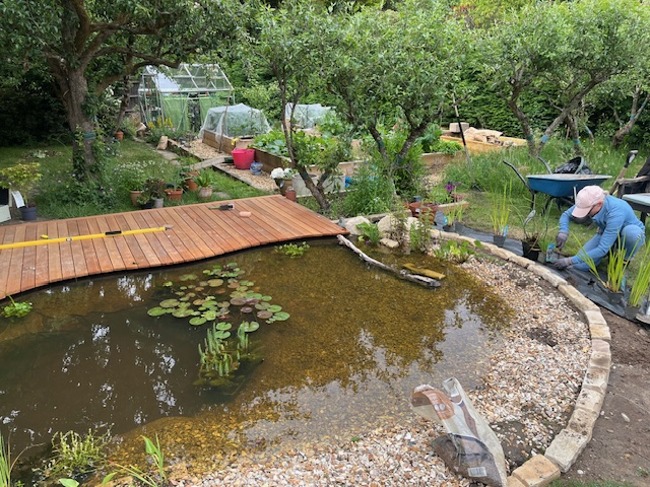
Creating a Wildlife Pond in Bracknell – A Six-Week Garden Transformation with GardenAdvice
One of the most rewarding projects we’ve been supporting recently through the GardenAdvice One-Day Gardening Course and the MyGardenTeam service has been the creation of a new wildlife pond for a GardenAdvice member in Bracknell.
Over the last six weeks, what started as an idea discussed during a one-day gardening course has developed into a thriving wildlife feature that is already attracting insects, aquatic life, and birds. The project demonstrates how a combination of practical hands-on learning and ongoing support can help gardeners tackle ambitious projects with confidence.
Starting with a One-Day Gardening Course
The project began with a GardenAdvice One-Day Gardening Course, where we looked at how a wildlife pond could fit into the garden and discussed the key design principles needed to create a healthy and sustainable pond environment.
Rather than simply installing a pond, the aim was to create a balanced ecosystem that would support wildlife for many years to come. Through the course, we covered:
- Pond design and positioning.
- Excavation and shaping.
- Creating wildlife access points.
- Choosing suitable pond plants.
- Water quality management.
- Long-term maintenance.
The course gave the client the confidence and practical knowledge needed to begin construction, while the MyGardenTeam service provided ongoing support throughout the project.
Building a Pond for Wildlife
One of the most important decisions was to make the pond as large and as deep as possible within the available space.
A deeper pond provides several advantages:
- Greater water volume helps stabilise temperatures.
- Water remains cooler during hot summer weather.
- Improved conditions for aquatic wildlife.
- Reduced risk of excessive algae growth.
At the same time, shallow shelves and gently sloping edges were incorporated into the design. These are vital features in any wildlife pond because they allow birds, hedgehogs, frogs, toads, and other creatures to safely enter and leave the water.
The pond was designed specifically with wildlife in mind rather than purely as an ornamental water feature.
Naturalising the Pond
After the liner was installed, the pond was partially backfilled with soil and gravel to help create a more natural environment.
This approach mirrors the conditions found in natural ponds and provides a growing medium for aquatic plants. It also helps beneficial bacteria establish themselves more quickly.
One of the interesting results has been how clear the water has remained throughout the project. By creating a natural balance from the outset and avoiding excessive artificial treatments, the pond has settled remarkably well.
The First Wildlife Arrives
Even before planting was fully completed, wildlife began discovering the pond.
During the first few weeks, visitors included:
- Dragonflies investigating the water surface.
- Water boatmen establishing themselves in the pond.
- Birds using the shallow margins for drinking and bathing.
These early arrivals are often a good sign that a pond is developing into a healthy ecosystem.
Final Stage – Planting the Pond
The project has now reached the final planting stage.
Water lilies have recently been introduced, and additional oxygenating plants are being established around the pond margins.
These plants will play a vital role by:
- Producing oxygen within the water.
- Helping maintain water clarity.
- Providing shelter for aquatic insects.
- Offering spawning and breeding habitats for wildlife.
- Creating shade that helps reduce summer water temperatures.
As the plants mature over the coming months, the pond will become increasingly self-sustaining and wildlife-friendly.
Adding Decking and Viewing Areas
A timber deck has also been installed alongside the pond, creating a practical viewing platform and making the pond a central feature within the garden.
The decking allows the owners to enjoy close-up views of the pond and its wildlife while providing easy access for maintenance and planting.
How MyGardenTeam Helped
The real success of this project has been the combination of learning and ongoing support.
The GardenAdvice One-Day Gardening Course provided the practical skills and confidence needed to begin the project, while MyGardenTeam has offered continued guidance through:
- Design advice.
- Plant recommendations.
- Construction support.
- Wildlife pond management.
- Ongoing monitoring and troubleshooting.
This approach allows gardeners to carry out much of the work themselves while still having access to professional guidance when needed.


