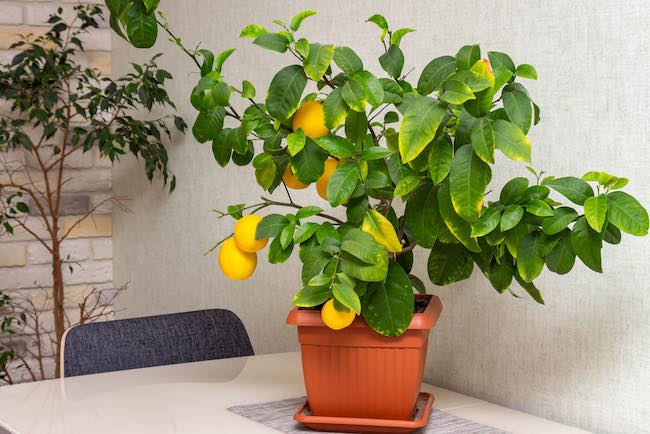
As winter approaches, with its shorter days and chilly temperatures, it’s crucial to give special attention to your indoor lemon and orange trees. These citrus trees, native to South Asia, are typically grown in Mediterranean and subtropical climates, thriving in conditions far different from a typical UK winter. The reduced sunlight during the winter months in the UK can lead to issues such as leaf drop, which is a common problem for indoor citrus trees. Additionally, the central heating systems in homes, while essential for our comfort, create a dry environment with low humidity levels. This can be detrimental to these plants, which prefer a more humid atmosphere.
Understanding the Challenge
- Light Requirements: Citrus trees are accustomed to ample sunlight, and the lack of it in winter can stress them.
- Humidity and Temperature: The dry air from central heating, coupled with low humidity levels, is not conducive for these trees that thrive in humid environments.
Effective Winter Care Solutions
- Optimising Light Exposure:
- Strategic Placement: During winter, place your lemon and orange trees in the lightest part of your house. A frost-free or heated conservatory is ideal. This ensures they get as much natural light as possible.
- Artificial Lighting: If natural light is insufficient, consider using grow lights to supplement the lack of sunlight. These lights can mimic the spectrum of natural sunlight, helping maintain the health of the trees.
- Managing Humidity and Temperature:
- Temporary Relocation: Move the plants into rooms with higher humidity, like the kitchen or bathroom, for about a week every month. This change in environment can help improve their health.
- Humidifiers and Trays: Using a humidifier in the room where the trees are kept can help maintain an ideal humidity level. Alternatively, placing a water-filled tray with pebbles beneath the plant pots allows evaporation to gently increase humidity around the plants.
- Avoid Direct Heat: Keep the trees away from direct heat sources like radiators, as this can dry them out more quickly.
- Additional Care Tips:
- Watering: Water the plants sparingly in winter. The soil should be allowed to dry out slightly between waterings, as citrus trees are prone to root rot if overwatered.
- Pruning: Pruning is less crucial in winter, but removing dead or diseased branches can help the tree conserve its energy.
- Fertilisation: Reduce the frequency of fertilisation in winter. A slow-release citrus-specific fertiliser can be used to provide essential nutrients without overwhelming the plant.
- Pest Control:
- Regularly inspect for signs of pests like spider mites, which thrive in dry indoor environments. Use a natural insecticide or neem oil to manage infestations.
By following these care tips, your indoor lemon and orange trees can not only survive but thrive during the winter months. Remember, these plants are resilient, but they do require a bit of extra care during this challenging season.
Images from Depositphotos