Helleborus: The Winter Garden’s Hidden Gem
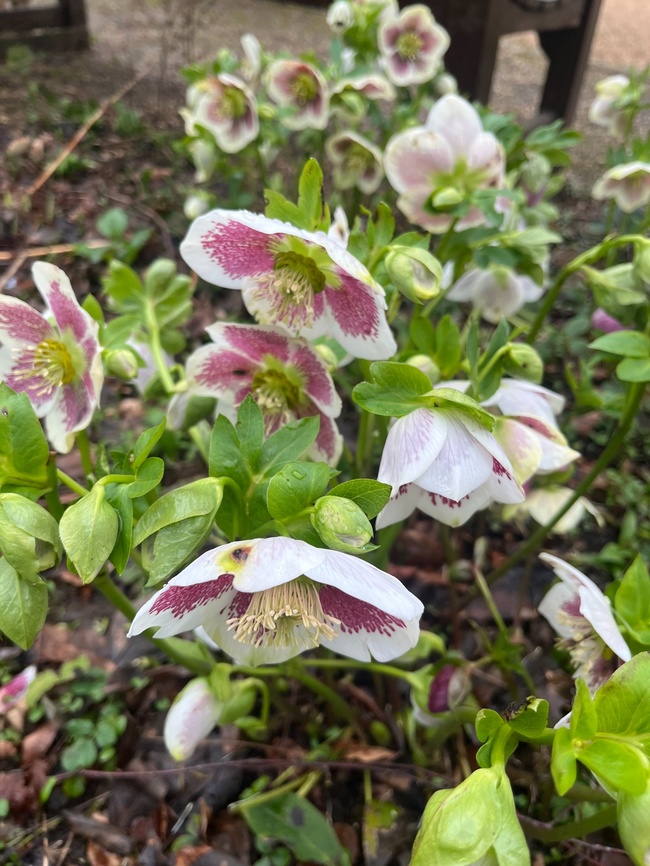
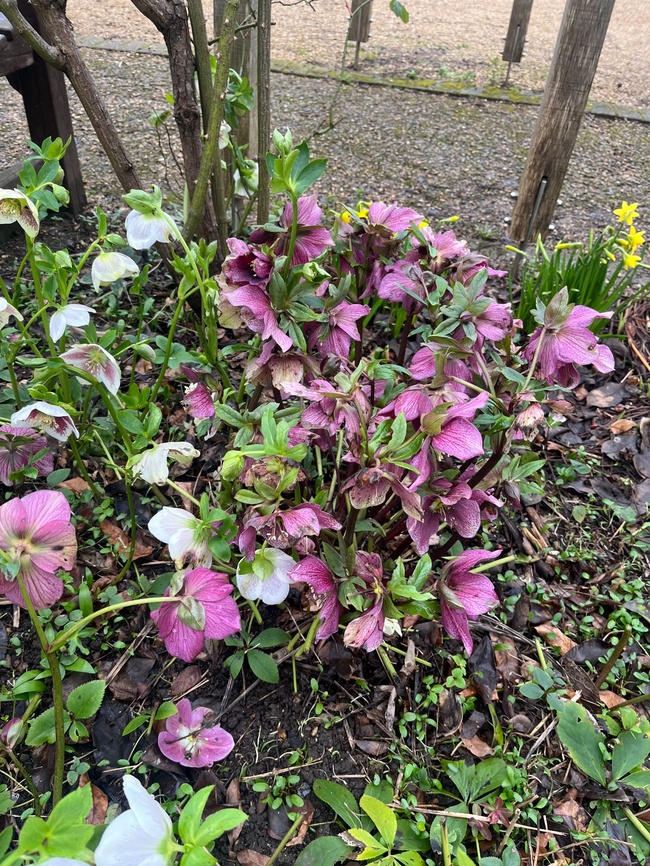
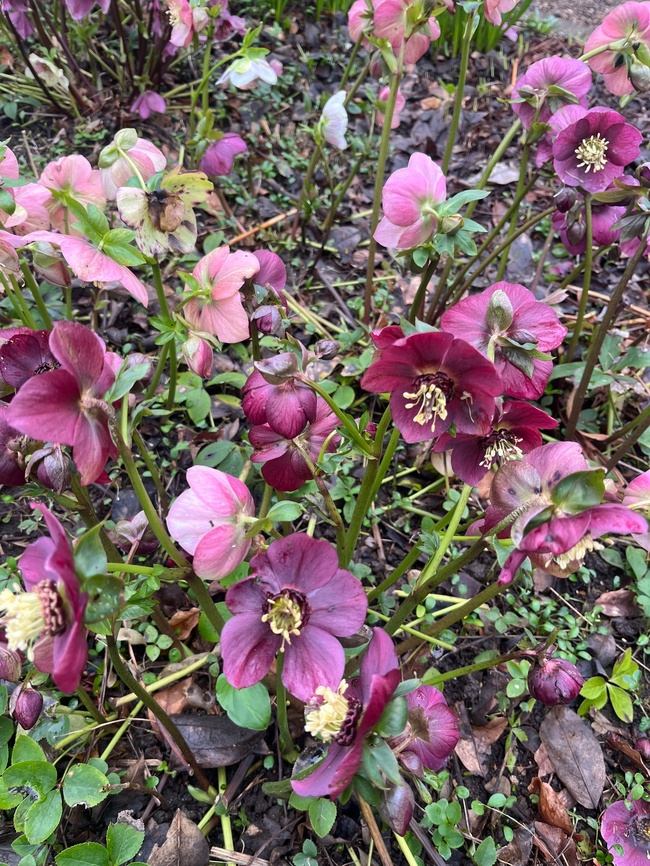
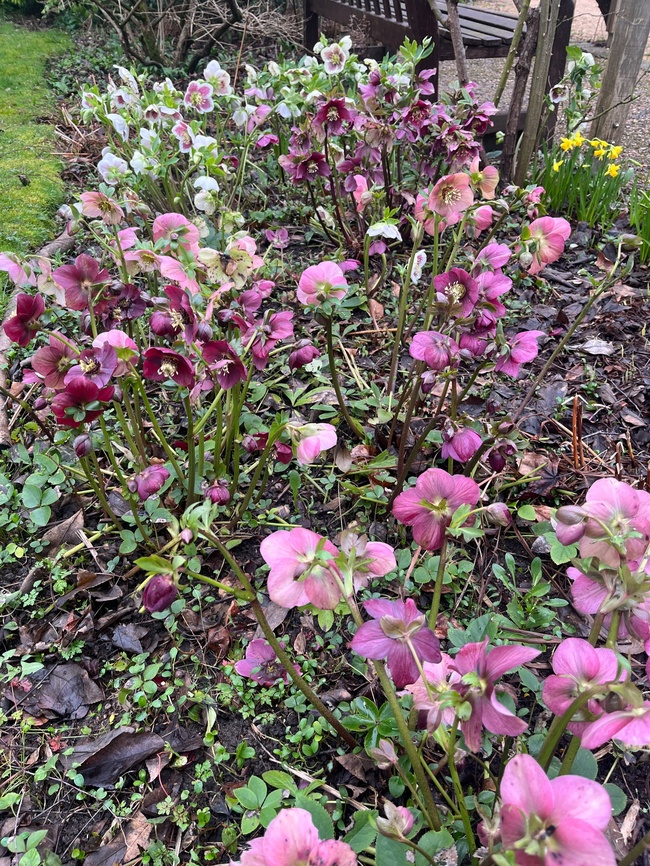
When most of the garden has retreated into bare stems and cold soil, hellebores quietly steal the show. With their nodding, jewel-toned flowers appearing from midwinter right through to early spring, they are one of the most rewarding plants a gardener can grow. Often called the Christmas Rose or Lenten Rose, hellebores are hardy, long-lived, and surprisingly unfussy once established — making them an essential choice for anyone looking to bring colour and life to a garden during the bleakest months of the year.
Why Grow Hellebores?
Hellebores bloom at a time when very little else is flowering. From December through to April, depending on the variety, they produce flowers in a stunning range of colours — from pure white and soft blush pink to deep burgundy, slate purple, near-black, and speckled or picotee-edged forms that look almost too beautiful to be real. They are also deer resistant, tolerant of shade, and once planted and settled, they will thrive and multiply for decades with very little intervention.
The Best Types to Grow
The most widely grown and versatile species is Helleborus x hybridus, commonly known as the Lenten Rose. This group encompasses the vast majority of garden hybrids and comes in the widest range of flower colours and forms, including single, double, anemone-centred, and spotted varieties. They flower from late February into April and are extremely hardy across the UK.
Helleborus niger, the Christmas Rose, is the earliest of the hellebores to flower, often producing its large, white blooms in December and January. It can be slightly more demanding than the hybrids, preferring alkaline soil and a sheltered spot, but the reward of flowers in the depths of winter is hard to beat.
Helleborus foetidus, the Stinking Hellebore (despite the name, it really doesn’t smell unless bruised), is a wonderful native species with deeply divided, dark evergreen foliage and clusters of small, pale green, purple-edged bells from January onwards. It seeds itself freely and is superb for dry shade.
Helleborus argutifolius, the Corsican Hellebore, produces large clusters of pale green flowers and bold, architectural foliage. It grows tall — up to 90cm — and is particularly useful for adding structure to a winter border.
Soil Requirements
Hellebores are adaptable, but they perform best in soil that is moisture-retentive yet well-drained. Waterlogged conditions are their one real enemy, and plants sitting in wet, cold soil over winter can suffer from root rot and decline.
The ideal soil is a rich, humus-heavy loam — think woodland floor conditions. If your soil is heavy clay, incorporate plenty of well-rotted garden compost or leaf mould before planting to improve drainage and structure. Sandy soils, which drain too freely and dry out in summer, should similarly be enriched with organic matter to help retain moisture around the roots during dry spells.
In terms of pH, hellebores are tolerant of a wide range, but slightly alkaline to neutral conditions (pH 6.5–7.5) suit them best. Helleborus niger in particular appreciates a more alkaline soil, so if you garden on acidic ground, adding garden lime or mushroom compost before planting can make a significant difference to its performance.
Light and Position
Hellebores are classic woodland plants, and they thrive in dappled or partial shade. The north or east-facing side of a building, beneath deciduous trees, or in the shade of a hedge are all ideal spots. They will tolerate a surprisingly deep shade, though flowering may be reduced.
Full sun is possible, but only if the soil retains plenty of moisture and the plants receive some shade during the hottest part of the afternoon in summer. In exposed, sunny positions without adequate moisture, hellebores can suffer leaf scorch and flower poorly.
Planting
The best time to plant hellebores is in autumn, giving them time to establish their root systems before flowering. Container-grown plants can also be planted in early spring, though they will need more careful watering through their first summer.
Plant them at the same depth they were growing in their pot, spacing them around 45–60cm apart to allow for their eventual spread. Incorporating a generous amount of well-rotted compost into the planting hole will give them a strong start, and a light mulch of leaf mould or garden compost around (not over) the crown after planting will help retain moisture and suppress weeds.
Ongoing Care
One of the great joys of hellebores is how little they ask of you once established. In late autumn or early winter, remove any old, tatty foliage from Helleborus x hybridus varieties — cutting the previous season’s leaves off cleanly at the base. This improves air circulation around the emerging flower stems, reduces the spread of hellebore leaf spot disease, and allows the flowers to be properly visible rather than hidden beneath a canopy of old growth.
An annual mulch of well-rotted compost or leaf mould in autumn will keep the soil in good condition and gradually feed the plants. A light dressing of a balanced slow-release fertiliser in early spring, after flowering, can also give plants a boost.
Hellebores rarely need watering once established, though plants in pots or those in drier positions will appreciate watering during prolonged dry spells in summer.
Propagation and Self-Seeding
Hellebores will self-seed freely in the right conditions, and the seedlings — while they won’t necessarily be identical to the parent plant — can produce some wonderful surprises. Allow a few seedheads to ripen and drop naturally, and you’ll likely find small plants appearing nearby within a year or two. Seedlings take two to three years to reach flowering size.
Named varieties and doubles are best propagated by division in early autumn. Carefully lift the clump and divide it with a sharp spade, ensuring each section has healthy roots and shoots, then replant promptly.
Common Problems
Hellebore leaf spot is the most common issue, causing dark blotches and distortion on the foliage. Removing affected leaves promptly and avoiding overhead watering helps keep it in check. In severe cases, a copper-based fungicide can be used.
Aphids sometimes attack the new growth and flower stems in late winter. A sharp blast of water or an organic insecticidal soap spray will deal with them quickly.
Vine weevil can be a problem in pots, where the grub attacks the roots. A biological control drench in late summer is the most effective prevention.
Using Hellebores in the Garden
Hellebores are exceptional companions for other winter and spring plants. They look magnificent planted alongside snowdrops, winter aconites, cyclamen coum, and early-flowering narcissus. The bold, dark foliage of Helleborus x hybridus provides a wonderful backdrop to the delicate white of snowdrops, and the combination of the two is one of the great classic winter planting partnerships.
For a naturalistic effect, try planting hellebores beneath the canopy of deciduous trees and shrubs such as witch hazel, cornus, or winter-flowering viburnum. The combination of scented winter shrubs overhead and jewel-coloured hellebores at ground level creates a garden scene that is worth venturing out into even the coldest day to enjoy.