
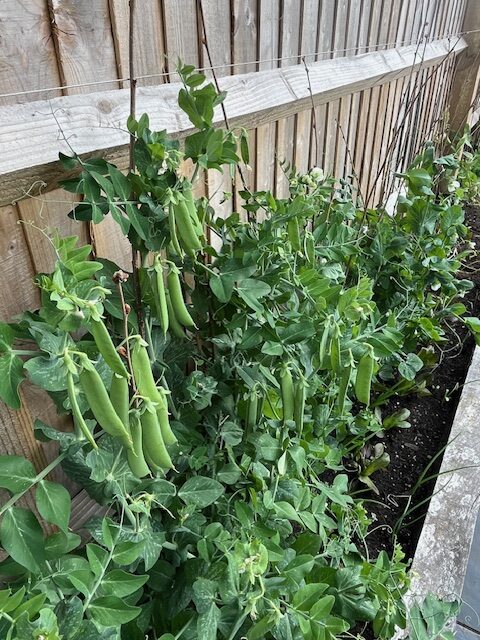
Early Season Peas
April: Fruit & Vegetable Gardening Tasks (UK)
Vegetable & Growing Calendar – April (UK)
April is a key transition month in the UK garden. Soil temperatures begin to rise, daylight hours increase rapidly, and growth accelerates. However, late frosts are still a real risk, so timing and protection remain essential. The focus this month is on succession sowing, careful soil preparation, and establishing crops for planting out in May.
Sow Indoors / Under Cover (for planting out after last frost)
Tomatoes
Sow seeds in small pots or modules at 18–21°C using a fine seed compost. Germination usually takes 5–10 days, after which seedlings need strong light to prevent legginess. Pot on once true leaves appear, burying stems slightly deeper to encourage root growth. Maintain steady watering and begin light feeding once established.
(Insert link: GardenAdvice tomato growing guide)
Peppers & Chillies (Capsicum)
These require consistent warmth and can be slow to germinate, often taking 10–21 days. Sow two seeds per module and thin to the strongest seedling once established. Keep compost warm and evenly moist, avoiding temperature fluctuations. Growth will remain slow until night temperatures improve, so patience is key.
(Insert link: GardenAdvice peppers growing guide)
Cucumbers (Greenhouse varieties)
Sow one seed per pot at 20–25°C, placing the seed on its side to reduce the risk of rotting. Use peat-free or coir-based compost and avoid overwatering, as cucumbers dislike cold, wet roots. They grow quickly, so only sow 3–4 weeks before intended planting out under cover. Provide support early once transplanted.
(Insert link: GardenAdvice cucumber growing guide)
Melons
Melons need consistently high temperatures (21–24°C) and are best suited to greenhouse growing in the UK. Sow individually in pots and keep in a propagator if possible. They require high light levels and careful watering to avoid damping off. Once established, they will need training and support similar to cucumbers.
Courgettes / Squash / Marrows
Start from mid to late April indoors to avoid plants becoming too large before planting out. Sow one seed per pot at 18–20°C on its side. Germination is usually quick (5–7 days), and plants grow rapidly, so ensure good light and spacing. Harden off carefully before planting outside after frost risk has passed.
Basil
Sow thinly in trays at 18–21°C and keep in a warm, bright environment. Basil is highly sensitive to cold, so avoid placing seedlings on cold windowsills or exposing them to drafts. Keep compost slightly moist but not wet. Pinch out tips regularly once established to encourage bushy growth.
Parsley
Parsley seeds are slow to germinate and may take up to 6 weeks. Soaking seeds in warm water before sowing can improve germination rates. Sow in modules or trays and keep consistently moist throughout. Once established, parsley is relatively hardy and can be transplanted outdoors later in spring.
Lettuce & Kale
Sow in trays or modules for early crops, or under cover in a cold frame. Lettuce prefers cooler germination temperatures (10–16°C), while kale tolerates a wider range. Sow little and often for continuous harvests. Avoid overcrowding, and ensure good airflow to reduce disease risk.
Sow Outdoors (if soil conditions allow)
Carrots
Sow direct into well-prepared, stone-free soil in shallow drills. Germination can be slow in cold soil, so covering with fleece helps retain warmth and moisture. Sow thinly to avoid thinning, which can attract carrot fly. Water regularly during dry spells to ensure even root development.
(Insert link: GardenAdvice carrot growing guide)
Beetroot
Each seed is actually a cluster, so thinning is essential once seedlings emerge. Sow in rows and keep soil consistently moist to prevent woody roots. Young leaves can also be harvested as salad greens. Beetroot grows best in fertile, well-drained soil with minimal disturbance.
Peas
Sow direct in drills or start in guttering for easy transplanting. Peas prefer cooler conditions and will establish well in April soil. Provide support early using netting or sticks to prevent plants collapsing. Protect young shoots from birds, which can be a common issue.
Radish
One of the quickest crops, often ready within 3–4 weeks. Sow little and often to avoid a glut and prevent roots becoming woody. Keep soil moist to ensure mild, tender roots. Ideal as an intercrop between slower-growing vegetables.
Spring Onions
Sow thinly in shallow drills and keep rows well weeded. They require minimal maintenance and do not need thinning if sown correctly. Harvest can begin once plants reach pencil thickness. Regular sowing ensures a continuous supply.
Turnips
Fast-growing and suited to cool conditions, making them ideal for April sowing. Sow directly and thin early to allow roots to develop properly. Harvest while young for the best flavour and texture. Leaves can also be used as greens.
Spinach / Chard
Both crops establish well in April and prefer moist, fertile soil. Spinach is quick-growing but can bolt if stressed, so keep well watered. Chard is more robust and will provide a longer harvest period. Sow successionally for continuous picking.
Broad Beans
If not already sown, early April is still suitable. Sow directly and protect from blackfly later in the season by pinching out tips. Provide support in exposed areas. Harvest begins in early summer depending on sowing time.
Planting Outdoors
Garlic
If not planted earlier, cloves can still be planted in early April, though yields may be smaller. Plant in well-drained soil with good sun exposure. Keep beds weed-free and avoid overwatering. Growth will accelerate as temperatures rise.
Onion Sets & Shallots
Plant directly into firm soil, ensuring roots are well anchored. Birds may pull sets out, so firm them in and consider light netting. Water during dry periods to support bulb formation. Avoid high nitrogen feeds, which encourage leaf growth over bulbs.
Potatoes
Plant first and second early varieties in April. Place tubers in trenches and cover with soil, then earth up as shoots emerge. Protect young growth from frost by covering with soil or fleece. Consistent watering later is key for good tuber formation.
(Insert link: GardenAdvice potato growing guide)
Fruit Planting & Care
Apple & Pear Trees
Apply a balanced fertiliser around the base and mulch with well-rotted compost. This helps retain moisture and supports fruit development. Keep the area around the base weed-free to reduce competition.
Cherry Trees
Avoid pruning at this time due to the risk of silver leaf disease. Focus instead on feeding and mulching. Ensure good airflow around the tree to reduce disease risk.
Raspberries & Blackberries
Tie in new canes and remove weak or damaged growth. Apply mulch to retain moisture and suppress weeds. Feeding in early spring supports strong fruiting later in the season.
Strawberries
Remove old leaves and debris to improve airflow and reduce disease. Feed lightly and apply mulch or straw to protect developing fruit. Protect early flowers from frost using fleece if needed.
Seasonal Tips and Advice
Frost Protection
Late frosts remain a significant risk throughout April. Keep fleece, cloches, or cold frames ready to protect tender crops. Harden off indoor-grown plants gradually before planting out. Even hardy crops benefit from protection in cold, exposed areas.
(Insert link: GardenAdvice frost protection guide)
Soil Preparation
Work soil only when it is dry enough to avoid compaction. Incorporate well-rotted manure or compost to improve structure and fertility. Rake to a fine tilth before sowing seeds. Warming the soil in advance improves germination rates.
(Insert link: GardenAdvice soil preparation guide)
Feeding
Apply a general fertiliser such as Growmore before sowing or planting. Begin light feeding of greenhouse crops as they establish. High-potash feeds are particularly useful for fruiting crops later on.
Compost Advice
Coir-based compost is excellent for seed sowing, offering consistent moisture retention and reduced transplant shock. For containers, use soil-based compost such as John Innes to provide long-term nutrients. Maintain even watering to avoid stress in young plants.
Key April Jobs Summary
- Sow succession crops regularly for continuous harvests
- Start tender crops indoors at the correct time
- Plant potatoes, onions, and remaining garlic
- Protect crops from frost and cold winds
- Prepare and warm soil before sowing
- Begin feeding where appropriate
- Maintain and mulch fruit crops
March: Fruit & Vegetable Gardening Tasks (UK)
Important note for 2025/26: Many of the sowing and planting tasks from January and February’s calendar may still need to be completed this month. The exceptional rainfall across the UK over the past two months has made it impossible for many gardeners to get outside and carry out planned tasks. Please don’t be discouraged — March offers a fresh start, and with longer days and improving conditions, there is still plenty of time to achieve an excellent harvest. Work through any outstanding tasks from previous months as conditions allow.
March is the month where the garden truly wakes up. Day length increases rapidly, soil temperatures begin to rise and the growing season accelerates. It is one of the busiest and most rewarding months of the year — with a wide range of crops to sow, plant and prepare both indoors and outdoors.
A key resource for this month is the GardenAdvice Grow Your Own Fruit & Veg Calendar, which provides the specific timelines you need to plan your season effectively: https://gardenadvice.co.uk/blog/grow-your-own-fruit-veg/
Or consider signing up for a GardenAdvice one-day gardening course to learn how to grow your own fruit and vegetables: https://gardenadvice.co.uk/product/grow-your-own-one-day-gardening-course-from-gardenadvice/
Crops to Sow Indoors / Under Cover
These crops need warmth to germinate and are too tender to go outside until after the last frosts in late May. A heated propagator or warm, south-facing windowsill is essential.
Tender Vegetables
- TomatoesSow in small pots or seed trays at 18–21°C. Cover with a clear lid until germination (7–14 days). Move to a bright windowsill once seedlings appear and pot on into individual 3” pots when the first true leaves show. Tomatoes are very frost-sensitive — do not rush to move outside. Full tomato guide →
- AuberginesSow early in March as aubergines need a long growing season to fruit well in the UK. Sow 2 seeds per small pot at around 21°C and thin to the strongest seedling. They can be slow to germinate (up to 3 weeks) — keep warm and in good light at all times.
- Peppers, Capsicum Peppers & ChiliesAll require early sowing and consistent warmth (18–21°C minimum). Sow 2 seeds per module and thin to one. These need more heat than tomatoes — a heated propagator gives the best results. Expect germination in 10–21 days. Growing chillies from seed →
- CourgettesSow individually in 3” pots on their side (reduces rotting risk) at 18–20°C. Germination is quick — usually 5–7 days. Avoid sowing too early as they grow fast and become leggy before it is safe to plant outside.
- CucumbersSow one seed per pot on its side at 20–25°C. Cucumbers dislike root disturbance — biodegradable pots are ideal. Germination takes 5–10 days. Ridge (outdoor) varieties can go outside from late May; greenhouse varieties remain under cover all season.
- Pumpkins & SquashSow individually in pots at 18–20°C in late March, on their side to prevent rotting. They grow vigorously and need space — allow 1–2 square metres per plant when planting outside later in the season.
- SweetcornSow one seed per module at around 18°C — sweetcorn dislikes root disturbance so module sowing is essential. It is wind-pollinated, so plant outside in blocks (not rows) for the best crop. A propagator speeds up germination considerably.
- MelonsMelons need consistent warmth throughout the season and are best grown under glass or in a polytunnel in the UK. Sow one seed per pot at 21–24°C in late March. Train the main stem up a support and pinch out the growing tip after 5–6 leaves to encourage fruiting sideshoots.
- Celery & CeleriacSow on the surface of compost (do not cover — they need light to germinate) at 15–18°C. Both are slow to establish and benefit from an early start. Prick out carefully once large enough to handle and grow on in cool but frost-free conditions.
Brassicas (Sow Under Cover)
- Broccoli (Calabrese)Sow thinly in modules or trays at around 16°C. Broccoli grows faster than sprouting varieties — expect heads from summer onwards. Prick out into individual modules once large enough to handle and harden off before planting outside in April/May.
- CauliflowerSow in modules at 16°C. Cauliflower is particular — it dislikes any check to growth from root disturbance or cold, which can cause ‘buttoning’ (tiny, premature heads). Use modules rather than open trays. Water consistently and never let seedlings dry out.
- Brussels SproutsBrussels need a long growing season so starting them now is important. Sow in modules at 16°C. They also need firm planting later — loose soil leads to open, leafy sprouts. Plan to plant out in April/May with 60–75cm spacing each way.
- Cabbage (Summer varieties)Sow in modules or trays at 16°C for harvesting from July onwards. All brassicas will need protecting from cabbage white butterfly once planted outside — have fine mesh or netting ready.
- KaleOne of the hardiest and most reliable crops you can grow. Sow in modules at around 16°C for transplanting later, or direct outdoors from late March if conditions allow. ‘Cavolo Nero’ and ‘Curly Scotch’ are both excellent varieties that will crop from autumn right through winter.
Salads & Herbs
- LettuceSow thinly in trays or modules. Lettuce germinates best at cooler temperatures (10–16°C) so a cool windowsill is ideal. Sow every 2–3 weeks for a continuous supply. Loose-leaf varieties such as ‘Salad Bowl’ and ‘Little Gem’ are the most forgiving and can be cut-and-come-again.
- BasilSow thinly in modules at 18–21°C indoors. Basil is very frost-sensitive and dislikes cold and draughts — never place it on a cold windowsill. Germination takes 7–14 days. Pinch out flower buds as they appear to keep plants bushy. Grows well alongside tomatoes on a sunny windowsill.
- ParsleyParsley can be slow to germinate (3–6 weeks) so sow now to get ahead. Sow in modules at around 18°C. Soaking seeds in warm water for 24 hours before sowing can speed things up. Parsley is a biennial — plants sown now will crop well this year and into spring next year.
- Florence FennelSow in modules indoors in late March — fennel resents root disturbance so modules are essential. Keep at 16–18°C. Note that fennel can bolt if sown too early and then subjected to cold, so do not transplant outside until the weather is reliably warm.
Crops to Sow or Plant Outdoors
As soil conditions improve through March, more crops can go direct into the ground. Use horticultural fleece or cloches to warm the soil and protect early sowings from frost. Do not work soil that is still waterlogged — this damages its structure.
- PeasIf the soil is workable, sow direct in drills 5cm deep, 5cm apart. An excellent alternative given recent wet conditions is to sow in lengths of guttering indoors and slide the whole row into a prepared trench when ready — this lets you wait for the soil to improve without delaying the crop. Peas need support as they grow; put in canes or netting early. Protect seeds from mice.
- Broad BeansIf not already sown, broad beans can still go in now. Sow direct 5cm deep, 22cm apart in double rows. They are hardy and will establish quickly once the soil warms up. Alternatively, sow in root trainers indoors and transplant out in April.
- BeetrootSow under cloches or fleece from mid-March. Each ‘seed’ is actually a cluster, so thin to one plant per station after germination. Sow 2.5cm deep in rows 30cm apart. ‘Boltardy’ is the most reliable early variety. Beetroot also grows well in containers if beds are still too wet.
- CarrotsWait until late March and sow in a sheltered, sunny spot with a fine, stone-free seedbed. On heavy or wet clay soils, raised beds or deep containers of sandy compost give far better results. Sow thinly, 1cm deep in rows 15–30cm apart. Cover with fine mesh fleece to warm the soil and protect against carrot fly.
- LeeksSow thinly in a fine seedbed or in trays. Leeks sown now will be ready for transplanting to their final positions in June/July. Thin to 2.5cm apart once established. To transplant, drop seedlings into 15cm deep holes made with a dibber — do not backfill, simply water in and soil will settle around the roots. One of the most forgiving crops to grow.
- Onions (from sets)Plant onion sets outdoors from mid-March once the soil is workable. Push sets into the soil so just the tip is showing, spacing 10cm apart in rows 25–30cm apart. Trim the papery tops before planting to deter birds pulling them up, or cover with fleece until established.
- Spring OnionsSow direct outdoors from mid-March in drills 1cm deep. No thinning is needed — sow thinly and harvest the clump over several weeks. Sow every 3–4 weeks for a continuous supply through to autumn. Also grows well in pots and window boxes.
- RadishOne of the fastest crops you can grow — radishes can be ready in as little as 4 weeks from sowing. Sow direct from mid-March in short rows 1cm deep, thinning to 2.5cm apart. Sow a short row every two weeks for a continuous harvest. Excellent as a catch crop between slower-growing vegetables.
- TurnipsSow direct from late March in rows 1cm deep, thinning to 15cm apart. Early varieties can be ready in 6–8 weeks. Harvest when golf-ball-sized for the best flavour — left too long they become woody. The young tops can also be harvested and eaten as nutritious spring greens.
- SpinachSow direct outdoors from late March, or indoors in modules in early March. Spinach prefers cool conditions and can bolt in heat, so spring sowings are ideal. Sow thinly in rows 30cm apart, 2cm deep. Start harvesting outer leaves when plants are established.
- ParsnipsParsnips must be sown direct as they dislike root disturbance. They are often difficult to sow reliably in early March when soil is cold and wet — warm the soil with black polythene for 2 weeks first if possible. Sow 3 seeds per station, 1cm deep, thinning to the strongest seedling. Germination can take 3–4 weeks.
Planting & Preparation
Potatoes
If not already done, begin chitting (sprouting) seed potatoes immediately by standing them rose-end up in egg boxes in a cool, light, frost-free place. First early varieties (such as ‘Rocket’, ‘Swift’ or ‘Arran Pilot’) can be planted from mid-March in mild areas — plant 12cm deep, 30cm apart in rows 60cm apart. Earth up the emerging shoots if frost is forecast to protect the new growth. Second early and maincrop varieties should wait until April. Guide to chitting potatoes →
Garlic
If you have not yet planted your garlic, do so as soon as possible. Garlic planted in March will still produce a good crop, though it benefits from a cold period to develop properly. Break bulbs into individual cloves and plant 15cm apart, 2.5cm deep with the pointed tip upwards, in a sunny well-drained spot. If your soil is still very wet, plant cloves in pots of gritty compost and move outside once conditions improve.
Asparagus
If you have an established asparagus bed, now is the time to remove last year’s dead fern growth and lightly fork between crowns. Top-dress with a balanced fertiliser or well-rotted compost. Resist harvesting too heavily in the first three years — this allows the crowns to build strength. If planting a new bed, prepare now with plenty of grit and well-rotted compost; crowns can go in from late March. Bed preparation guidance →
Strawberries
March is an important maintenance month for strawberry beds. Remove dead and diseased leaves from established plants. If plants are three or more years old, consider replacing them — strawberries are most productive in years one to three. Pot up healthy runners from last year to create new plants for free. Apply a high-potash fertiliser (such as tomato feed) once new growth appears, and mulch around crowns with straw to protect ripening fruit later.
Fruit Trees, Bushes & Canes
March is the final opportunity to plant bare-root fruit trees and bushes before the season closes and plants come into leaf. Container-grown specimens can be planted year-round, though spring and autumn remain the ideal seasons.
Apples & PearsGet bare-root trees in the ground immediately if not yet planted. Prune established trees before bud-break to remove crossing, damaged or congested branches. Apply a balanced fertiliser and a mulch of well-rotted compost around the base.
Cherries & PlumsDo not prune stone fruit in winter or early spring due to the risk of silver leaf disease. Pruning is best carried out in summer. March is, however, a good time to plant new trees. Protect early blossom from late frosts with fleece.
RaspberriesCut back summer-fruiting canes now if not already done — remove last year’s fruited canes to ground level and select the strongest 6–8 new canes, tying in to wires 10cm apart. Cut all autumn-fruiting raspberry canes to ground level; these fruit on this year’s new growth.
Blackberries & Hybrid BerriesRemove last year’s fruited canes to ground level if not done in autumn. Tie in new pale-coloured canes to wires. If planting new canes, cut back to 22cm above ground after planting to encourage strong new growth from the base.
Currants & GooseberriesPrune now before growth begins. Remove a third of the oldest wood from blackcurrants to encourage new productive stems. Lightly prune redcurrants and gooseberries to maintain an open goblet shape. Apply a high-potash fertiliser as buds begin to swell.
StrawberriesClear beds of dead foliage and old straw. Apply a potassium-rich fertiliser as growth begins. Pot up runners from healthy established plants. Consider replacing beds older than 3 years with new, vigorous plants.
Key Preparation Tasks for March
Soil & Bed Preparation
As ground conditions improve, dig in well-rotted compost or manure into beds ahead of planting. Avoid working soil that is still waterlogged — digging compacted wet soil damages its structure and harms the soil ecosystem. Where beds are ready, use black polythene or cloches to warm the soil for 2 weeks ahead of sowing outdoor crops.
Greenhouse & Propagator
Clean greenhouse glass thoroughly to maximise light levels for young seedlings. Ventilate on mild days to prevent fungal problems. Check heaters are working reliably and keep insulation in place during cold nights. Begin hardening off any seedlings sown in late February by giving them increasingly long periods in a cold frame or outdoors in sheltered conditions.
Compost & Feeding
The GardenAdvice team recommends Coco Coir compost for indoor sowing — it provides an excellent air-to-water balance and significantly reduces the risk of ‘damping-off’ disease in seedlings. More on compost choice →
Important Reminders for March
- Frost Protection: Tender crops must remain indoors until after the last frosts (typically late May). Keep horticultural fleece to hand for protecting early outdoor sowings from sharp overnight frosts. How to use horticultural fleece →
- Catch Up: If January and February tasks were not possible due to the wet weather, prioritise garlic, broad beans, chitting potatoes, fruit tree pruning and soil preparation before moving on to new March tasks.
- Labelling: Label everything clearly as you sow — it is very easy to lose track of what has been planted where as the season gets busy.
- Sowing Diary: Keep a simple notebook or diary recording what was sown, when and where. This is invaluable for planning future seasons and understanding what worked well.
- Raised Beds: If soil drainage is a persistent problem, March is a good time to plan and install raised beds. They warm up faster, drain more freely and make the most of limited space. Benefits of raised beds →
- Seed Viability: Check any seed packets from last year before sowing. Old seed may have reduced germination rates — do a simple germination test by placing a few seeds between damp kitchen roll in a warm spot for a week before committing to a full sowing.
New: AI Gardening Assistant — Helene
For personalised growing advice at any time of day, try Helene, the GardenAdvice AI gardening assistant. Whether you have a question about sowing dates, plant problems, or what to grow in your specific conditions, Helene is available to help whenever you need it.
Visit Helene at gardenadvice.co.uk/blog/helene/ →
February: Fruit & Vegetable Gardening Tasks (UK)
February is a transitional month in the UK garden. While winter still holds its grip, the increasing day length triggers a sense of urgency. This is the month where “preparation meets action”—balancing the protection of young seedlings with the vigorous preparation of the soil for the spring rush.
A key resource for this month is the GardenAdvice Grow Your Own Fruit & Veg Calendar. It provides the specific timelines you need to ensure your crops have the longest possible growing season: 👉 https://gardenadvice.co.uk/blog/grow-your-own-fruit-veg/
Or consider signing up for a GardenAdvice one day gardening course to show you how to grow your own fruit and vegetables https://gardenadvice.co.uk/product/grow-your-own-one-day-gardening-course-from-gardenadvice/
Crops Best Started Indoors (Need Heat)
These seeds require a “head start” indoors. In the UK, February light levels are still low, so a heated propagator (or a warm, south-facing windowsill) is essential to prevent “leggy” growth.
- Aubergines: Continue sowing in a heated propagator (21–25°C). They are slow-growing and need every extra week of warmth.
- Chillies & Peppers: February is the peak time for these. Using a high-quality medium like Coco Coir helps develop the strong root systems they need. 👉 Learn more about growing chillies from seed
- Tomatoes: From late February onwards, start sowing your greenhouse tomato varieties. 👉 Guide to growing tomatoes from seed to harvest
- Cucumbers: Only sow towards the very end of February if you have a consistently heated growing space.
- Leeks & Onions: Start these in seed trays or modules now to ensure robust plants for transplanting.
- Lettuce & Peas: Sow early varieties indoors. Peas do particularly well when started in guttering, ready to be slid into the soil in March.
Crops Best Sown/Planted Directly (Use Protection)
If your soil is workable (not frozen or waterlogged), these hardy crops can go straight into the ground. Using horticultural fleece is highly recommended to raise the soil temperature.
- Parsnips: Sow directly as soon as the soil is workable. They take a long time to germinate, so patience is key.
- Garlic: This is your last chance to plant garlic cloves if you missed the autumn window.
- Broad Beans: Hardy varieties can be sown directly under the protection of a cloche.
Key Preparation Tasks
Chitting Potatoes
If you haven’t started yet, begin chitting seed potatoes now. Place them in egg boxes in a light, frost-free location. This process forces the potatoes into growth before they are planted out, ensuring an earlier and bigger harvest. 👉 Step-by-step guide to chitting potatoes
Asparagus & Sea Kale Beds
Prepare permanent beds now by digging in plenty of well-rotted manure. Asparagus thrives in well-drained, rich soil, and preparing the bed in February allows the soil to settle before planting in spring. 👉 Advice on bed preparation and forcing crops
Important Reminders for February
- Compost Choice: The GardenAdvice team recommends Coco Coir compost for indoor sowing. It provides an excellent air-to-water balance, reducing the risk of “damping-off” disease. 👉 Why we recommend specific composts for vegetable seeds
- Frost Protection: Tender crops must wait until late May to be planted out. Keep horticultural fleece ready to protect early outdoor sowings from extreme temperature drops. 👉 How to use horticultural fleece effectively
- Soil Health: Avoid walking on wet vegetable beds to prevent soil compaction. Using raised beds can help with drainage and soil warming. 👉 Benefits of using raised beds for vegetables
Key February Gardening Tips
- Clean Greenhouse Glass: Maximum light is vital for seedlings; keep panes clear of winter grime.
- Ventilation: On mild days, ventilate your greenhouse or cold frame to prevent fungal issues.
- Order Seeds: Finalize your plans and order any remaining seeds before the spring rush.
Would you like me to help you draft a specific plan for setting up a new asparagus bed this month?
January: Fruit & Vegetable Gardening Tasks (UK)
January is a quieter month in the garden, but it’s one of the most important for preparation, structure, and forward planning. With the ground often cold and wet, this is the perfect time to focus on fruit trees, soil health, greenhouse jobs, and planning for the season ahead.
A great resource at this time of year is the GardenAdvice Grow Your Own Fruit & Veg Calendar, which helps you work out what to grow, when to sow, and how to plan your year month by month. It’s especially useful in January when decisions made now shape the rest of the growing season:
👉 https://gardenadvice.co.uk/blog/grow-your-own-fruit-veg/
Fruit Garden Jobs in January
Winter wash fruit trees
January is an ideal month to apply a winter wash to apples, pears, plums, cherries, peaches and nectarines. Winter wash helps control overwintering pests such as aphids, mites and scale insects before they become a problem in spring. Apply on a dry, frost-free day, thoroughly coating the trunk and branches.
If you’re expanding or improving your fruit garden, you may find this useful:
👉 https://gardenadvice.co.uk/blog/grow-some-fruit-in-your-garden-this-year/
Plant bare-root fruit trees and bushes
Bare-root fruit trees and bushes can still be planted while the soil is workable. January planting suits apples, pears, plums, cherries, currants (red, white and black) and gooseberries.
Firm the soil well around the roots, stake trees where necessary, and mulch after planting (keeping mulch away from direct contact with the trunk). For broader fruit-growing guidance, see the Fruit Garden section:
👉 https://gardenadvice.co.uk/gardening-how-to/fruit-garden/
Plant cane fruit
Raspberries, blackberries, loganberries and tayberries all benefit from planting in winter. After planting raspberries, cut canes back to around 25cm to encourage strong new growth. Install wires or supports at planting time to avoid disturbing roots later.
More advice on soft fruit can be found here:
👉 https://gardenadvice.co.uk/gardening-how-to/fruit-garden/
Pruning fruit trees and bushes
January is suitable for pruning established apple and pear trees, as well as currants and gooseberries. Avoid pruning stone fruit such as plums and cherries unless branches are damaged or diseased.
For general fruit care and planning inspiration, this guide is helpful:
👉 https://gardenadvice.co.uk/blog/grow-some-fruit-in-your-garden-this-year/
General fruit care
Check stakes and ties after winter winds, protect young trees from rabbits and deer, and clear away fallen fruit and leaves to reduce disease carry-over. For seasonal growing guidance across fruit and vegetables, see:
👉 https://gardenadvice.co.uk/blog/grow-your-own-fruit-veg/
Vegetable Garden Jobs in January
Soil preparation
If conditions allow, dig over empty beds and incorporate well-rotted manure or garden compost. Avoid working soil when it is frozen or waterlogged. Cover prepared beds with fleece, cloches or black plastic to help warm the soil for early sowings.
General vegetable growing advice is available here:
👉 https://gardenadvice.co.uk/gardening-how-to/grow-your-own/
Early sowing (under cover only)
Sowing outdoors is limited in January, but under cover you can start early crops in a heated greenhouse, propagator or sunny windowsill. Suitable crops include early broad beans, lettuce, spinach, spring onions, onions from seed and early leeks.
Greenhouse-specific winter advice can be found here:
👉 https://gardenadvice.co.uk/gardening-how-to/greenhouse-gardens/
Planting vegetables
Plant shallots and garlic if not already done, and plant Jerusalem artichokes where soil conditions permit. Further planting guidance is available in the Grow Your Own section:
👉 https://gardenadvice.co.uk/gardening-how-to/grow-your-own/
Protected crops and harvesting
Check overwintering brassicas for pests and disease. Harvest leeks, parsnips, Brussels sprouts and kale as required, protecting crops with fleece during hard frosts.
Greenhouse & Polytunnel Tasks
Clean greenhouse glass to maximise winter light levels, check heaters and insulation, and ventilate on mild days to prevent mould and fungal problems.
If you’re making the most of your growing space, these guides may help:
👉 https://gardenadvice.co.uk/greenhouses-for-growing-in-garden/
👉 https://gardenadvice.co.uk/newsandarticles/how-to-make-the-most-of-a-greenhouse/
January is also the time to start chitting early potatoes, placing first early varieties in a cool, light, frost-free position.
Planning & Maintenance
Use quieter winter days to order seeds and plants early, clean and sharpen tools, and check stored crops such as potatoes, onions and squash, removing any that show signs of rot.
For broader inspiration and planning help, see:
👉 https://gardenadvice.co.uk/blog/grow-your-own-with-gardenadvice/
Crop rotation and planting plans are best tackled now, and this seasonal calendar can help guide decisions:
👉 https://gardenadvice.co.uk/blog/grow-your-own-fruit-veg/
Key January Gardening Tips
- Avoid working soil when wet or frozen
- Focus on soil health, structure and pest prevention
- Keep early sowings small and manageable
- Use January for planning rather than rushing
A calm, steady approach now sets the foundation for a productive growing season ahead.


