
Description
Allium ‘Medusa’s Hair’ – ornamental onion
Botanical name: Allium ‘Medusa’s Hair’
Common names: Ornamental onion
Family: Amaryllidaceae
Plant type: Bulbous perennial
Habit: Upright, with rounded flowerheads on tall stems
Pot size: 2–3 litre pot
Eventual size: Approx. 50–70cm tall × 20cm spread
Foliage: Strap-shaped grey-green leaves that often begin to die back around flowering time
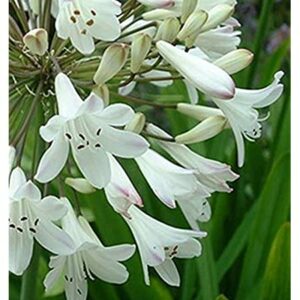
Flowers: Loose, informal heads of purple-pink flowers with distinctive wavy, twisting, wiry stems and tufts in summer (June–July)
Scent: Foliage has a mild onion scent when crushed
Aspect / light: Full sun
Soil: Well-drained; poor to average; dislikes wet; any pH
Hardiness: RHS H5 (hardy, to about −15°C); USDA zones 5–8
Exposure: Open, sunny; drought-tolerant
Native range: Species of ornamental onion, native to Europe and Asia
Toxicity / pet & child safety: Toxic to cats and dogs — like all onions and garlic, alliums can harm pets if eaten; also best not eaten by people
Allium ‘Medusa’s Hair’ is an unusual, characterful ornamental onion with loose purple-pink flowers and distinctive wavy, twisting stems. Quirky and eye-catching, it brings movement and informality to sunny borders.
GardenAdvice notes
An ornamental onion, this allium is grown for its striking, rounded flowerheads held on tall, strong stems in early summer, followed by decorative, long-lasting seedheads. Its bold, architectural flowers are wonderful in borders and a magnet for bees, and it is easy and drought-tolerant, thriving in any sunny, well-drained spot.
Growing & planting
Plant in autumn or spring in well-drained soil in full sun — alliums thrive on poor, dry, sunny sites and dislike wet, heavy ground. Their foliage often looks tatty by flowering time, so plant them among other perennials or grasses that will hide the leaves and set off the flowerheads. Space appropriately for their size.
Care & maintenance
Very low-maintenance. Allow the foliage to die down naturally after flowering, as it feeds the bulb for next year. Leave the seedheads standing, as they are highly decorative for weeks or even months. Cut down once they finally collapse. Established clumps can be lifted and divided when congested. They are drought-tolerant.
Propagation
- Division: Lift and divide congested clumps, separating the bulbs and offsets, once the foliage has died down.
- Seed: Species types can be raised from seed and often self-seed gently.
Pests & diseases
Generally trouble-free and easy. Bulbs can rot in wet, heavy soil, and allium leaf miner or onion white rot occasionally occur. Otherwise robust and reliable in a sunny, well-drained spot.
Uses in the garden
Superb dotted through sunny, gravel, prairie-style and mixed borders, among perennials and grasses that hide their fading foliage, and left standing for their sculptural seedheads; the flowers and seedheads are excellent for cutting and drying.
Wildlife value
Alliums are superb bee plants: their nectar-rich flowerheads are hugely attractive to bees, butterflies and other pollinating insects in early summer.
Toxicity & safety
Ornamental onions are toxic to cats and dogs if eaten — like all onions and garlic — and are best not eaten by people either, so site them with pets in mind.
GardenAdvice tip
‘Medusa’s Hair’ is one of the quirkier alliums, its wavy, twisting, wiry stems and tufts giving it a wild, informal, characterful look quite unlike the neat globes of the classic sorts. It’s a fun talking point for a gravel garden or naturalistic border; give it the usual allium treatment of full sun and sharp drainage, and let it weave among other plants.
Our plants are guaranteed for 24 months for more details Click Here



Reviews
There are no reviews yet.